Shava, Sāva, Sava, Śava, Śāva: 30 definitions
Introduction:
Shava means something in Buddhism, Pali, Hinduism, Sanskrit, the history of ancient India, Marathi, Jainism, Prakrit, Hindi, biology. If you want to know the exact meaning, history, etymology or English translation of this term then check out the descriptions on this page. Add your comment or reference to a book if you want to contribute to this summary article.
The Sanskrit terms Śava and Śāva can be transliterated into English as Sava or Shava, using the IAST transliteration scheme (?).
Images (photo gallery)
In Hinduism
Shaktism
Śava (शव, “corpse”):—In Hindu iconology, Kālī (goddess of time) is depicted as standing on Śiva’s corpse, whose empty body represents the universe without its live-giving strength. The lifeless body symbolizes whatever is left after pralaya (‘universal dissolution’).
1) Śava (शव) refers to a “ghost”, representing one of the weapons (attributes) of Goddess Kubjikā, according to the Manthānabhairavatantra, a vast sprawling work that belongs to a corpus of Tantric texts concerned with the worship of the goddess Kubjikā.—Accordingly, “(Now) I will tell (you about) the great weapons of that (goddess) Kubjikā. Know (the ones that are in) the right (hands) and (the ones) in the left, along with (their) application. In the right (hands she holds) a trident, wheel, thunderbolt, goad, arrow and dagger. One should place (her on) a blue lotus with a star. Then on the left (side her hands hold) a severed head, an ascetic’s staff, bell, book and bow. It is said that (she holds) a skull in (the lower) left (hand) and sits on a ghost as her throne [i.e., siṃhāsana-śava-āsanī]”.
2) Śava (शव) refers to a “corpse”, according to the Śrīmatottara-tantra, an expansion of the Kubjikāmatatantra: the earliest popular and most authoritative Tantra of the Kubjikā cult.—Accordingly, [while describing the visualized form of Navātman Bhairava]: “[...] Navātman’s mind is blissful with his own energy and he is delighted by the bliss of (spiritual) wine. [...] (He is) adorned with a garland of skulls and is beautiful in all (his) limbs. Replete with all (the good) characteristics, he is in the midst of the host of Yoginīs. He has a large chest and a big belly and is very strong. A corpse (śava) is placed (under) the soles of (his) feet and, burning intensely, he is very powerful. [...]”.
Śava (शव) refers to one of the 72 rays of the Viśuddhi-Cakra which (together with the 64 rays of the Ājñā) are associated with the lunar plane called Brahmagranthi, according to Śaṅkarācārya’s Saudaryalaharī.—Accordingly, the Goddess is visualised (by Sādhaka) as dwelling above the six Ādhāracakras ruling over the 360 rays which emanate in them [e.g., Śava]. These 360 rays represent 360 syllables (i.e., a consummation of the śabdaprapañca or 50 alphabets) as well as the principles of nature. For the 360 syllables, together with haṃ and saḥ, Nyāsa should be performed for Śrīcakrapūjā.
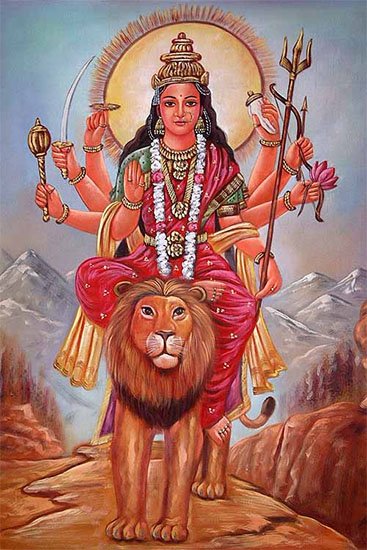
Shakta (शाक्त, śākta) or Shaktism (śāktism) represents a tradition of Hinduism where the Goddess (Devi) is revered and worshipped. Shakta literature includes a range of scriptures, including various Agamas and Tantras, although its roots may be traced back to the Vedas.
Purana and Itihasa (epic history)
1a) Śāva (शाव).—A son of Yuvanāśva and father of Bṛhadaśva; founded the city Śāvastī.*
- * Bhāgavata-purāṇa IX. 6. 21.
1b) A Ṛṣika.*
- * Matsya-purāṇa 145. 96.

The Purana (पुराण, purāṇas) refers to Sanskrit literature preserving ancient India’s vast cultural history, including historical legends, religious ceremonies, various arts and sciences. The eighteen mahapuranas total over 400,000 shlokas (metrical couplets) and date to at least several centuries BCE.
Ayurveda (science of life)
Śava (शव):—Dead body.
Āyurveda (आयुर्वेद, ayurveda) is a branch of Indian science dealing with medicine, herbalism, taxology, anatomy, surgery, alchemy and related topics. Traditional practice of Āyurveda in ancient India dates back to at least the first millenium BC. Literature is commonly written in Sanskrit using various poetic metres.
Shaivism
Śava (शव) refers to a “corpse”, according to the Netratantra of Kṣemarāja: a Śaiva text from the 9th century in which Śiva (Bhairava) teaches Pārvatī topics such as metaphysics, cosmology, and soteriology.—Accordingly, [verse 10.1-7ab, while describing the appearance and worship of Bhairava]—“Now, at this moment, I shall explain the distinct appearance of Bhairava, [who] resembles an ointment [that clears the eye]. He has a nature that burns up and dissolves all things. Five-faced, atop a corpse (śava-ārūḍha), ten-armed [and] terrible, he resembles troops with demon mouths. He rumbles, [producing] a terrible noise, speaks with a gaping mouth [adorned with] with large tusks, [his face] bent in a frown. [...] Having worshipped Bhairava, [the Mantrin] remembers being joined in union [with] him, [in the same way as] dissolution in fire”.
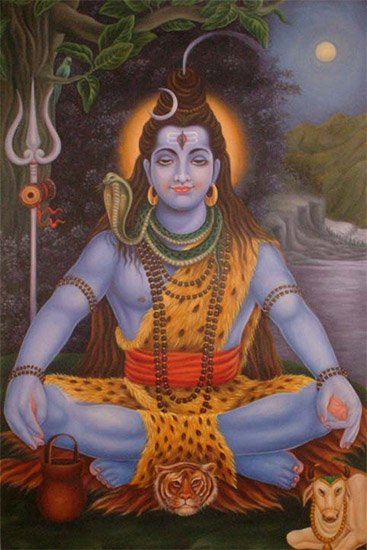
Shaiva (शैव, śaiva) or Shaivism (śaivism) represents a tradition of Hinduism worshiping Shiva as the supreme being. Closely related to Shaktism, Shaiva literature includes a range of scriptures, including Tantras, while the root of this tradition may be traced back to the ancient Vedas.
Shyanika-shastra (the science of Hawking and Hunting)
Śava (शव) refers to “carcass (of a cow)” (used as a hunting tactic), according to the Śyainika-śāstra: a Sanskrit treatise dealing with the divisions and benefits of Hunting and Hawking, written by Rājā Rudradeva (or Candradeva) in possibly the 13th century.—Accordingly, “Hunting by lying in wait is that in which a bowman singly or jointly with others awaits the approach of animals and then pierces them with poisoned darts. It succeeds where there are trees of the Beleric myrobalan, in corn fields, and in places for drinking water, An easy success in killing lions and other ferocious animals is achieved by placing the carcass of a cow (go-śava) in a suitable position”.
Shyanika-shastra (श्यैनिकशास्त्र, śyainikaśāstra) deals with ancient Indian skill of hawking/falconry (one of the ways of hunting) which were laid down in a systematic manner in various Sanskrit treatises. It also explains the philosophy behind how the pleasures derived from sense-experience could lead the way to liberation.
Pancaratra (worship of Nārāyaṇa)
Sava (सव) refers to one of the “seven kinds of sacrifices (yāgas)”, as discussed in chapter 4 of the Indrarātra section of the Sanatkumārasaṃhitā: an encyclopedic Sanskrit text written in over 3500 verses dealing with a variety of topics such as yoga, temple-building, consecration ceremonies, initiation and dhanurveda (martial arts).—Description of the chapter [yāga-vidhi]: [...] Sanatkumāra proceeds to differentiate seven variations of dīkṣā according to the details of yāga-procedures: yāga; stoma; mahāyāga; adhvara; sava; kratu; haristoma; [...] The second, called stoma, which may be utilized by all classes, is briefly described (21-27a). The last one, although merely mentioned, is praised as “best”. Those who have undergone dīkṣā-initiation by one or another of these methods should be distinguished by the following names respectively [e.g., for sava it is guru]
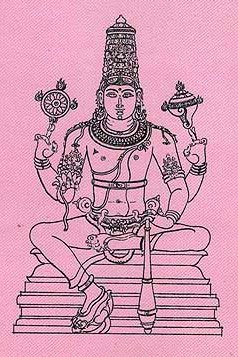
Pancaratra (पाञ्चरात्र, pāñcarātra) represents a tradition of Hinduism where Narayana is revered and worshipped. Closeley related to Vaishnavism, the Pancaratra literature includes various Agamas and tantras incorporating many Vaishnava philosophies.
In Buddhism
Theravada (major branch of Buddhism)
A stronghold in Rohana. Cv.lxxiv.60.
Theravāda is a major branch of Buddhism having the the Pali canon (tipitaka) as their canonical literature, which includes the vinaya-pitaka (monastic rules), the sutta-pitaka (Buddhist sermons) and the abhidhamma-pitaka (philosophy and psychology).
Mahayana (major branch of Buddhism)
Śava (शव) refers to a “corpse”, according to Mahāprajñāpāramitāśāstra (chapter 41).—Accordingly, “[Digression on a case brought against the Buddha; A. The accusation].—[Question].—So be it! But the Buddha sometimes has physical and vocal actions that do not seem to accompany knowledge. How is that? [...] He insults his disciples and treats them like foolish men (mohapuruṣa). He insults Devadatta and says to him: ‘You are a fool (mūḍha), a corpse (śava), a spit-swallower (kheṭāśika)’. The Buddha forbids the possession (dhāraṇa) of eight kinds of begging-bowls (pātra) and authorizes the Bhikṣus to use only two kinds of bowls: i) fired clay (mṛttikāpātra) and ii) iron (ayaḥpātra) but he himself uses a stone bowl (śailapātra). [...]”.
Sava (सव) (in Chinese: Cha-p'o) is the name of an ancient kingdom associated with Dhaniṣṭhā or Dhaniṣṭhanakṣatra, as mentioned in chapter 18 of the Candragarbha: the 55th section of the Mahāsaṃnipāta-sūtra, a large compilation of Sūtras (texts) in Mahāyāna Buddhism partly available in Sanskrit, Tibetan and Chinese.—Chapter 18 deals with geographical astrology and, in conversation with Brahmarāja and others, Buddha explains how he entrusts the Nakṣatras [e.g., Dhaniṣṭhā] with a group of kingdoms [e.g., Sava] for the sake of protection and prosperity.
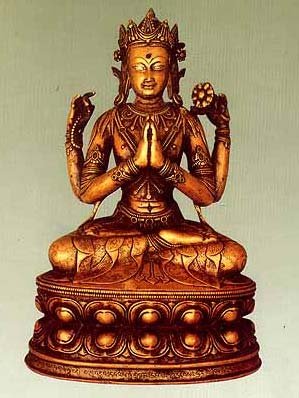
Mahayana (महायान, mahāyāna) is a major branch of Buddhism focusing on the path of a Bodhisattva (spiritual aspirants/ enlightened beings). Extant literature is vast and primarely composed in the Sanskrit language. There are many sūtras of which some of the earliest are the various Prajñāpāramitā sūtras.
India history and geography
Sava.—(IE 8-1), contraction of Prakrit savachara = Sanskrit saṃvatsara. Note: sava is defined in the “Indian epigraphical glossary” as it can be found on ancient inscriptions commonly written in Sanskrit, Prakrit or Dravidian languages.
Sava refers to: “Corpse”.—It is included in the glossary section of the study dealing with the Temples and Cult of Shri Rama in Tamil-Nadu, with reference to the traditional lore, embodied in, for example the Nalayirativvaiyappirapantam (i.e., Nalayira Divyaprabandham).

The history of India traces the identification of countries, villages, towns and other regions of India, as well as mythology, zoology, royal dynasties, rulers, tribes, local festivities and traditions and regional languages. Ancient India enjoyed religious freedom and encourages the path of Dharma, a concept common to Buddhism, Hinduism, and Jainism.
Biology (plants and animals)
Sava [सावा] in the Nepali language is the name of a plant identified with Diplocyclos palmatus (L.) C.Jeffrey from the Cucurbitaceae (Pumpkin) family having the following synonyms: Bryonia palmata, Zehneria erythrocarpa, Bryonopsis laciniosa. For the possible medicinal usage of sava, you can check this page for potential sources and references, although be aware that any some or none of the side-effects may not be mentioned here, wether they be harmful or beneficial to health.
1) Sava in India is the name of a plant defined with Panicum antidotale in various botanical sources. This page contains potential references in Ayurveda, modern medicine, and other folk traditions or local practices It has the synonym Paspalum miliaria C. Muell. (among others).
2) Sava is also identified with Panicum miliaceum It has the synonym Milium esculentum Moench (etc.).
3) Sava is also identified with Panicum sumatrense It has the synonym Panicum psilopodium var. psilopodium (etc.).
Example references for further research on medicinal uses or toxicity (see latin names for full list):
· Transactions of the Kansas Academy of Science (1913)
· Cytologia (1995)
· Grasses of Ceylon (1956)
· Revised Handbook to the Flora of Ceylon (1900)
· Systema Vegetabilium (1798)
· Tableau Encyclopédique et Méthodique … Botanique (1798)
If you are looking for specific details regarding Sava, for example extract dosage, chemical composition, side effects, diet and recipes, health benefits, pregnancy safety, have a look at these references.
This sections includes definitions from the five kingdoms of living things: Animals, Plants, Fungi, Protists and Monera. It will include both the official binomial nomenclature (scientific names usually in Latin) as well as regional spellings and variants.
Languages of India and abroad
Pali-English dictionary
Sava, (adj.) (fr. sru, savati) dripping, flowing with ( — ˚) Pv ii. 911 (madhu˚, with honey). (Page 699)
— or —
Sāva, (fr. sru) juice VvA. 186. (Page 707)

Pali is the language of the Tipiṭaka, which is the sacred canon of Theravāda Buddhism and contains much of the Buddha’s speech. Closeley related to Sanskrit, both languages are used interchangeably between religions.
Marathi-English dictionary
śava (शव).—n (S) A corpse. śavayāna n (S) A bier. śavavāhaka c (S) A corpse-carrier.
--- OR ---
śāva (शाव) [or शावक, śāvaka].—m S A young one of an animal in general.
--- OR ---
śāva (शाव).—a S śāvaka a S Relating to a corpse, cadaverous &c.
--- OR ---
sava (सव).—f ē (Misspelled through mispronunciation of cava) Taste, relish &c.
--- OR ---
sava (सव).—f ē (savya S Right hand.) A vulgar word for the north. See gaṅgēsamōharī. savacā or savēcā Northern, northerly.
--- OR ---
savā (सवा).—a (sapāda S through H) Having a fourth or quarter more; more or greater by a fourth. It is used with the numerals and with words expressing number, measure, or quantity, and thus denotes an increase of a fourth of unity; but with numbers (such as 100, 1,000, 10,000 &c., and sometimes 25, 50 &c.) viewed as involving the idea or relation of unity, they being still a century, a chiliad, a myriad, a million &c., it denotes an increase to the amount of a fourth of that aggregate or collective number. Ex. savā cāra, savā āṭha, savā bārā, Four and a quarter, eight and a quarter &c., and savā śēṃ, savā hajāra, savā lākha, A hundred and twenty-five, Twelve hundred and fifty &c.
--- OR ---
sāva (साव).—m (sādhu S through H) A banker. Applied also to an opulent or a flourishing merchant or trader generally. 2 An honest man; a reputable and trustworthy person. In use the word is generally opposed, expressly or tacitly, to cōra, ṭhaka (thief, rogue), or other such word.
--- OR ---
sāva (साव) [or सांव, sāṃva].—f ē (snāyu S) A muscle or a sinew. The word, like its synonymes, is little used, and the thing it signifies is little known or thought of but in connection with tumefaction or with spasmodic contraction. Hence the expressions sāva caḍhalī, sāva phugalī, sāva śēkalī-cōḷalī-utaralī -dukhatī, and, plurally, sāvā ōḍhatāta-tāṇatāta -tuṭatāta-dharatāta &c.; and hence the generalness and indefiniteness of the whole class of words (sāvara, śirā, snāyu, nāḍī, nasa, raga, vēṅgaḍī, mēṇḍakī, pēṭakī &c.) created doubtless to designate discriminately Muscle, sinew or tendon, ligament, artery, vein &c. 2 The gut of the goat or other animal used as strings &c., catgut. See under śirā & nāḍī.
--- OR ---
sāvā (सावा) [or सांवा, sāṃvā].—m (śyāmāka S) Panicum frumentaceum vel miliaceum.
--- OR ---
sāvā (सावा) [or सांवा, sāṃvā].—m (Commonly sāyā, sāga, sāgavāna &c.) The teak tree.
śava (शव).—n A corpse.
--- OR ---
śāva (शाव).—m A young one of an animal.
--- OR ---
savā (सवा).—a More or greater by a fourth.
--- OR ---
sāva (साव).—m A banker. An honest man.
--- OR ---
sāvā (सावा) [or sāṃvā, or सांवा].—m A kind of grain. The teak tree.
Marathi is an Indo-European language having over 70 million native speakers people in (predominantly) Maharashtra India. Marathi, like many other Indo-Aryan languages, evolved from early forms of Prakrit, which itself is a subset of Sanskrit, one of the most ancient languages of the world.
Sanskrit dictionary
Śava (शव).—[śav-ac] A corpse, dead body; अबान्धवं शवं चैव निर्हरेयुरिति स्थितिः (abāndhavaṃ śavaṃ caiva nirhareyuriti sthitiḥ) Manusmṛti 1.55.
-vam Water; तं नस्त्वं शवशयनाभ शान्तमेधम् (taṃ nastvaṃ śavaśayanābha śāntamedham) Bhāgavata 4.7.33.
Derivable forms: śavaḥ (शवः), śavam (शवम्).
--- OR ---
Śāva (शाव).—a. (-vī f.) [शव-अण् (śava-aṇ)]
1) Relating to a dead body; caused by the death (of a relative); दशाहं शावमाशौचं सपिण्डेषु विधीयते (daśāhaṃ śāvamāśaucaṃ sapiṇḍeṣu vidhīyate) Manusmṛti 5.59,61.
2) Tawny, dark-yellowish; जगाम तत्र यत्रास्या भर्तुः शावं कलेवरम् (jagāma tatra yatrāsyā bhartuḥ śāvaṃ kalevaram) Mahābhārata (Bombay) 3.297.62.
3) Dead.
-vaḥ 1 The young of any animal; a fawn, cub; क्व वयं क्व परोक्षमन्मथो मृगशावैः सममेधितो जनः (kva vayaṃ kva parokṣamanmatho mṛgaśāvaiḥ samamedhito janaḥ) Ś.2.18; मृगराजशावः (mṛgarājaśāvaḥ) R.3;18.37.
2) A dark-yellowish colour.
-vam Defilement caused by contact with a corpse or the death of a relative.
-vaḥ, -vam A corpse; अन्यदेहविषक्तं हि शावं काष्ठत्वमागतम् (anyadehaviṣaktaṃ hi śāvaṃ kāṣṭhatvamāgatam) Mahābhārata (Bombay) 12.153.59.
--- OR ---
Sava (सव).—[sū-su-ac]
1) Extraction of Soma juice.
2) An offering, a libation.
3) A sacrifice; राजसूयाश्वमेधाद्यैः सोऽयजद्बहुभिः सवैः (rājasūyāśvamedhādyaiḥ so'yajadbahubhiḥ savaiḥ) Mahābhārata (Bombay) 1.94.26.
4) The sun.
5) The moon.
6) Progeny.
7) A generator.
8) The Arka plant.
-vam 1 Water.
2) The honey of flowers.
3) Extracting the Soma juice.
4) Making libations.
5) Command, order; युक्तेन मनसा वयं देवस्य सवितुः सवे (yuktena manasā vayaṃ devasya savituḥ save) Śvet. Up.2.2.
6) Instigation.
Derivable forms: savaḥ (सवः).
--- OR ---
Sāva (साव).—A libation.
Derivable forms: sāvaḥ (सावः).
Śava (शव).—adj. (= chava, q.v.), base, vile, in śava-bhūta, of persons, those who are base: bālair vikalpitā hy ete śavabhūtaiḥ kutārkikaiḥ Mūla-madhyamaka-kārikā 262.5, cited from Laṅkāvatāra-sūtra 167.17 = 276.8; in Laṅkāvatāra-sūtra all mss. the first time sarva- for śava, so also one ms. the second time, text with the others there vaśa- (or is this only a misprint for -śava- ?); Suzuki corpse; śavabhūtā(ḥ) Mūla-madhyamaka-kārikā 448.9; (yūyam api, addressed by King Bimbisāra to heretics who proposed to contest with Buddha) śavā bhūtvā bhagavatā sārdham ṛddhiṃ prārdhadhve (see prārdhate) Divyāvadāna 146.11, do you also, base as you are, aspire to (?) magic power along with the Buddha ?
Śava (शव).—mn.
(-vaḥ-vaṃ) A dead body, a corpse. n.
(-vaṃ) Water. E. śav to go, ac aff.
--- OR ---
Śāva (शाव).—mfn.
(-vaḥ-vī-vaṃ) 1. Tawny, (of that colour.) 2. Relating to the purification of defilement from the contact or consanguinity of a corpse, &c. 3. Relating to a dead body. m.
(-vaḥ) 1. Tawny, (the colour.) 2. The young of any animal: see the next. E. śava a dead body, and aṇ aff.; or śav to go, aff. ghañ .
--- OR ---
Sava (सव).—m.
(-vaḥ) 1. Sacrifice, oblation. 2. Offspring, progeny. 3. The sun. 4. The moon. n.
(-vaṃ) 1. Water. 2. The juice or honey of flowers. 3. Sprinkling the juice of the acid Asclepias. E. ṣū to bear, &c., aff. ac .
--- OR ---
Sāva (साव).—m.
(-vaḥ) A libation.
Śava (शव).—I. m. and n. A dead body, [Mānavadharmaśāstra] 4, 108; [Pañcatantra] v. [distich] 24 (m.); [Kathāsaritsāgara, (ed. Brockhaus.)] 4, 107 (m.). Ii. n. Water.
--- OR ---
Śāva (शाव).—I. i. e. śava + a, adj. 1. Relating to, or produced by, a dead body, [Mānavadharmaśāstra] 5, 59. 2. Dead, [Sāvitryupākhyāna] 5, 61. Ii. (akin to śvi, cf. śiśu), m. The young of any animal, [Uttara Rāmacarita, 2. ed. Calc., 1862.] 122, 12 (siṃha-, A lion’s cub).
--- OR ---
Sava (सव).—i. e. su, and sū, + a, I. m. 1. Sacrifice. 2. Offspring. 3. The sun. 4. The moon. Ii. n. 1. Sprinkling the Soma, or juice of the acid Asclepias. 2. The juice of flowers. 3. Water.
Śava (शव).—[masculine] [neuter] dead body, corpse.
--- OR ---
Śāva (शाव).—1. [masculine] the young of an animal.
--- OR ---
Śāva (शाव).—2. [adjective] relating to a dead body, cadaverous, dead.
--- OR ---
Sava (सव).—1. [masculine] pressing, [especially] of Soma.
--- OR ---
Sava (सव).—2. [masculine] bidder, impeller, impulse, command, enlivening, vivifying, [Name] of cert. sacrificial rites.
--- OR ---
Sāva (साव).—[masculine] libation of Soma.
--- OR ---
Savā (सवा).—weave together, interweave, inlay or adorn with ([instrumental]). — Cf. o/ta, prota, vyu/ta, vyūta, samuta/.
Savā is a Sanskrit compound consisting of the terms sa and vā (वा).
--- OR ---
Savā (सवा).—blow. — Cf. nirvāṇa, pravāta/.
Savā is a Sanskrit compound consisting of the terms sa and vā (वा).
1) Śava (शव):—mn. (ifc. f(ā). ; [probably] [from] √1. śū, or śvi and [originally] = ‘swollen’) a corpse, dead body, [Śatapatha-brāhmaṇa] etc. etc.
2) n. water, [cf. Lexicographers, esp. such as amarasiṃha, halāyudha, hemacandra, etc.]
3) Śāva (शाव):—1. śāva m. ([probably] [from] √1. śū for √śvi; cf. śiśu) the young of any animal (cf. mṛga-śāva), [Mahābhārata; Kāvya literature etc.]
4) 2. śāva mfn. ([from] śava) cadaverous, relating to a dead body, produced by or belonging to a corpse, [Gautama-dharma-śāstra; Manu-smṛti; Mahābhārata] etc.
5) dead, [Harivaṃśa]
6) of a cadaverous or dark yellowish colour, tawny, [Horace H. Wilson]
7) n. defilement caused by contact with a corpse or the death of a relation, [Mārkaṇḍeya-purāṇa]
8) 3. śāva [wrong reading] for śyāva.
9) Sava (सव):—1. sava m. ([from] √3. su) pressing out the juice of the Soma plant, [Ṛg-veda; Śatapatha-brāhmaṇa; Śāṅkhāyana-śrauta-sūtra]
10) pouring it out, [cf. Lexicographers, esp. such as amarasiṃha, halāyudha, hemacandra, etc.]
11) the moon, [cf. Lexicographers, esp. such as amarasiṃha, halāyudha, hemacandra, etc.]
12) n. the juice or honey of flowers, [cf. Lexicographers, esp. such as amarasiṃha, halāyudha, hemacandra, etc.]
13) 2. sava m. ([from] √1. sū) one who sets in motion or impels, an instigator, stimulator, commander, [Vājasaneyi-saṃhitā; Śatapatha-brāhmaṇa]
14) m. the sun (cf. savitṛ), [cf. Lexicographers, esp. such as amarasiṃha, halāyudha, hemacandra, etc.]
15) setting in motion, vivification, instigation, impulse, command, order ([especially] applied to the activity of Savitṛ; [dative case] savāya, ‘for setting in motion’), [Ṛg-veda; Atharva-veda; Vājasaneyi-saṃhitā; Taittirīya-brāhmaṇa]
16) Name of [particular] initiatory rites, inauguration, consecration, [Brāhmaṇa]
17) a kind of sacrifice, [Kauśika-sūtra]
18) any sacrifice, [Mahābhārata]
19) a year (?), [Bhāgavata-purāṇa] (See bahu-s).
20) 3. sava m. ([from] √2. sū) offspring, progeny, [cf. Lexicographers, esp. such as amarasiṃha, halāyudha, hemacandra, etc.]
21) Sāva (साव):—m. ([from] √3. su) a Soma libation (cf. prātaḥand sahasra-s), [Ṛg-veda]
1) Śava (शव):—[(vaḥ-vaṃ)] 1. m. n. A dead body. n. Water.
2) Śāva (शाव):—[(vaḥ-vī-vaṃ) m.] Tawny colour; young animal. a. Tawney; relating to a corpse, or to purification from touching a corpse.
3) Sava (सव):—(vaḥ) 1. m. Sacrifice; progeny; sun, moon. n. Water; honey of flowers; sprinkling the juice of the Asclepias.
Śava (शव):—m. n. [Siddhāntakaumudī 251,b,1.]
1) m. n. Leichnam [Amarakoṣa 2, 8, 2, 87.] [Trikāṇḍaśeṣa 2, 8, 60.] [Hemacandra’s Abhidhānacintāmaṇi 564.] [Medinīkoṣa v. 24.] [Halāyudha 3, 7.] [The Śatapathabrāhmaṇa 1, 8, 3, 18. 13, 8, 1, 1.] [Kāṭhaka-Recension 12, 3.] antaḥ eine Leiche enthaltend [Pāraskara’s Gṛhyasūtrāṇi 2, 11.] [Śāṅkhāyana’s Gṛhyasūtrāṇi 4, 7.] rūpa [2, 12. 6, 1.] camū [Śāṅkhāyana’s Śrautasūtrāṇi 14, 22, 19.] dahyā [The Śatapathabrāhmaṇa 12, 5, 1, 1.2, 2.] nabhya n. ein Stück von der Nabe des Leichenwagens [Kātyāyana’s Śrautasūtrāṇi 22, 3, 12.] [LĀṬY. 8, 5, 6.] [Ṣaḍviṃśabrāhmaṇa 3, 8.] antargataśave grāme [Manu’s Gesetzbuch 4, 108.] spṛś [5, 64. 85. 9, 178.] śavaṃ nirhareyuḥ [10, 55.] śiras [11, 72.] [Mahābhārata 1, 1683. 13, 2566. 14, 1944.] [Harivaṃśa 14763. 14768. 14772. 14854. fg.] [Suśruta 1, 108, 9. 170, 15.] viṣa [?2, 258, 7. Spr. (II) 1190. 1444. Varāhamihira’s Bṛhajjātaka S. 46, 71. 86, 45. BṚH. 25 (23), 13. Kathāsaritsāgara 4, 107. 18, 152. 154. 25, 183. 34, 186. 72, 18. 73, 286. Rājataraṅgiṇī 5, 271. WEBER, KṚṢṆAJ. 224. Mārkāṇḍeyapurāṇa 8, 104. fgg.] jīvant [Bhāgavatapurāṇa 2, 3, 23.] [Vetālapañcaviṃśati] in [Lassen’s Anthologie (III) 4, 11.] [Weber’s Verzeichniss 144, 3.] gandhin [Oxforder Handschriften 51,b,3.] sādhana [93,b,32.] dūṣitajala [282,a,23. fg.] pannaga [Mahābhārata 1, 1706.] am Ende eines adj. comp. f. ā [Kathāsaritsāgara 53, 158.] Vielleicht von śū = śvā (śvi) schwellen. Vgl. 2. śāva . —
2) n. Wasser [Medinīkoṣa]; vgl. śavas .
--- OR ---
Śāva (शाव):—1. (vgl. śiśu) m. das Junge eines Thieres [Hemacandra’s Abhidhānacintāmaṇi 338.] [Halāyudha 2, 347.] mṛgāḥ sārdhaṃ śāvaiḥ [Harivaṃśa 15439.] siṃha [?9105. KĀM. NĪTIS. 7, 4. Raghuvaṃśa 6, 3. 18, 36. Śākuntala 105, 14. Spr. 3254. Varāhamihira’s Bṛhajjātaka S. 104, 28. UTTARAR. 94, 6 (122, 12). Mārkāṇḍeyapurāṇa 43, 54. Rājataraṅgiṇī 3, 112. SARVADARŚANAS. 119, 21.] Vgl. mṛga (auch [Mahābhārata 3, 16164.] [Rāmāyaṇa 3, 24, 18.] [Śākuntala 51.] [Bhāgavatapurāṇa 4, 2, 12]).
--- OR ---
Śāva (शाव):—2. (von śava) adj. einem Leichnam angehörig, von einer Leiche herrührend: karau [Bhāgavatapurāṇa 2, 3, 21.] kapāla [Harivaṃśa 384.] kalevara [Sāvitryupākhyāna 5, 61] (śyāva [Mahābhārata 3, 16809.] śāva ed. Bomb., welches [Nīlakaṇṭha] ohne alle Noth durch śyāma erklärt). svatanūdbhava so v. a. entseelt [Harivaṃśa 1142] (śocya die neuere Ausg.). āśauca [Pāraskara’s Gṛhyasūtrāṇi 3, 10.] [Manu’s Gesetzbuch 5, 59. 61. fg. 74.] [Yājñavalkya’s Gesetzbuch 3, 18.] n. so v. a. śāvamāśaucam [Mārkāṇḍeyapurāṇa 32, 23.] śāvaśeṣāsthinicaya [Rāmāyaṇa 2, 77, 22] fehlerhaft für sāvaśeṣa, wie die ed. Bomb. liest.
--- OR ---
Śāva (शाव):—3. adj. fehlerhaft für śyāva [Hemacandra’s Abhidhānacintāmaṇi 1396, v. l.] und sonst.
--- OR ---
Sava (सव):—1. (von 1. su) m. Kelterung, Pressung des Soma [Yāska’s Nirukta 11, 2.] [Ṛgveda 1, 126, 1.] śye.o abhara.somaṃ sa.asraṃ sa.ān [4, 26, 7. 10, 158, 2.] [The Śatapathabrāhmaṇa 4, 2, 1, 23. 9, 3, 4, 5. 12, 8, 2, 13.] [Śāṅkhāyana’s Śrautasūtrāṇi 7, 15, 9. fgg.] = saṃdhāna (vgl. Bed.
4) h) [Medinīkoṣa v. 29.] st. dessen saṃtāna [Śabdakalpadruma] nach ders. Aut., offspring, progeny [WILSON.] n. the juice or honey of flowers; sprinkling the juice of the acid Asclepias [WILSON] nach [ŚABDĀRTHAK.] Wasser [Jaṭādhara im Śabdakalpadruma] m. der Mond [WILSON] nach [ŚABDĀRTHAK.]
--- OR ---
Sava (सव):—
--- OR ---
Sava (सव):—12. vgl. añjaḥ, apsava, kuṣavā, kṣatrasava, go (auch [Bhāgavatapurāṇa 3, 2, 32]), grāmaṇī, tīvra, prātaḥ, bṛhaspati, brahma, bhūmi, manu, manuṣya, varuṇa, vṛṣa, vaiśya, satya .
--- OR ---
Sāva (साव):—(von 1. su) m. Soma-Libation [Ṛgveda 10, 49, 7.] — Vgl. prātaḥ, sahasra und 1. sava .
--- OR ---
Śāva (शाव):—1. , śāba in den südindischen Hdschrr. nach [PISCHEL.]
Śāva (शाव) in the Sanskrit language is related to the Prakrit words: Chāva, Sava, Sāva.
Sanskrit, also spelled संस्कृतम् (saṃskṛtam), is an ancient language of India commonly seen as the grandmother of the Indo-European language family (even English!). Closely allied with Prakrit and Pali, Sanskrit is more exhaustive in both grammar and terms and has the most extensive collection of literature in the world, greatly surpassing its sister-languages Greek and Latin.
Hindi dictionary
1) Śava (शव) [Also spelled shav]:—(nm) a corpse, dead body; ~[dāha] cremation; •[sthāna] a crematorium; -[parīkṣā] autopsy, postmortem; ~[śālā] mortuary; -[saṃskāra] last funeral rites.
2) Savā (सवा):—(a and nm) (the number) one and a quarter; —[selaha āne ṭhīka/saca honā] to be true to the core, to be absolutely true.
...
Prakrit-English dictionary
1) Sava (सव) in the Prakrit language is related to the Sanskrit word: Sru.
2) Sava (सव) also relates to the Sanskrit word: Śravas.
3) Sava (सव) also relates to the Sanskrit word: Śava.
4) Sāva (साव) also relates to the Sanskrit word: Śrāva.
5) Sāva (साव) also relates to the Sanskrit word: Śāpa.
6) Sāva (साव) also relates to the Sanskrit word: Śāva.
7) Sāva (साव) also relates to the Sanskrit word: Svāpa.
Prakrit is an ancient language closely associated with both Pali and Sanskrit. Jain literature is often composed in this language or sub-dialects, such as the Agamas and their commentaries which are written in Ardhamagadhi and Maharashtri Prakrit. The earliest extant texts can be dated to as early as the 4th century BCE although core portions might be older.
Kannada-English dictionary
Śava (ಶವ):—
1) [noun] a dead body, esp. of a person; a corpse.
2) [noun] water.
3) [noun] ಶವದ ಪೆಟ್ಟಿಗೆ [shavada pettige] śavada peṭṭige = ಶವಸಂಪುಟ [shavasamputa].
--- OR ---
Sava (ಸವ):—[adjective] making a pair (joining with another); matching.
--- OR ---
Sava (ಸವ):—
1) [noun] the state or quality of being equal (to another); equality.
2) [noun] that which is equal or similar to (another); an equal.
--- OR ---
Sava (ಸವ):—[noun] (correctly, ಶವ [shava]) a dead body of a person; a corpse.
--- OR ---
Sava (ಸವ):—
1) [noun] physical or mental exhaustion; weariness; fatigue.
2) [noun] a training in using weapons.
--- OR ---
Sava (ಸವ):—
1) [noun] the act or an instance of extracting the juice from the creeper Sarcostemma acidum (sōma plant).
2) [noun] an offering of this to a deity (in a religious sacrifice).
3) [noun] the sweetish liquid in flowers, used by bees for making of honey; nectar.
--- OR ---
Savā (ಸವಾ):—[adjective] amounting to or measuring one and a quarter.
Kannada is a Dravidian language (as opposed to the Indo-European language family) mainly spoken in the southwestern region of India.
Nepali dictionary
1) Śava (शव):—n. corpse; a dead body;
2) Savā (सवा):—adj. a quarter past;
Nepali is the primary language of the Nepalese people counting almost 20 million native speakers. The country of Nepal is situated in the Himalaya mountain range to the north of India.
See also (Relevant definitions)
Partial matches (+0): Sha, Ca, Va.
Starts with (+25): Savadhana, Savasa, Shava-karma, Shava-karpata, Shavaata, Shavabhasman, Shavabhuta, Shavacchadana, Shavadah-sthaan, Shavadaha, Shavadahaka, Shavadahin, Shavadahya, Shavadhara, Shavagandhin, Shavakamya, Shavakarman, Shavakrit, Shavamandira, Shavamandita.
Full-text (+452): Asava, Shavasana, Savadhana, Savasa, Gosava, Shavas, Capa, Shavayana, Asamishavas, Abhishtishavas, Utsava, Abhishava, Madhvasava, Shavadaha, Mrigashava, Shavakamya, Apratidhrishtashavas, Savam, Prasava, Satyashavas.
Relevant text
Search found 192 books and stories containing Shava, Sa-va, Sa-vā, Sāva, Sava, Śava, Śāva, Savā, Sāvā; (plurals include: Shavas, vas, vās, Sāvas, Savas, Śavas, Śāvas, Savās, Sāvās). You can also click to the full overview containing English textual excerpts. Below are direct links for the most relevant articles:
Kathasaritsagara [Sanskrit/English] (by C. H. Tawney)
Yajnavalkya-smriti with Mitakshara and Viramitrodaya (by J. R. Gharpure)
Verse 3.18 < [Chapter 1 - On Impurities]
Verses 1.148-151 < [Chapter 6 - Duties of a Snātaka]
Rig Veda (translation and commentary) (by H. H. Wilson)
Samyuta Nikaya (Linked Discourses)
Discourse 7.14: Mahāsāla-sutta < [7.2. Upāsaka-vagga: a Lay Follower]
Discourse 2.30: Nānātitthiyasāvaka-sutta < [2.3. Nānātitthiya-vagga: Various Sectarians]
Discourse 22.80: Piṇḍolya-sutta < [22.8. Khajjanīya-vagga: Itchy]
Dictionaries of Indian languages (Kosha)
Page 864 < [Malayalam-English-Kannada (1 volume)]
Page 718 < [Kannada-English-Malayalam (1 volume)]
Page 399 < [Telugu-English-Malayalam (1 volume)]
Anguttara Nikaya (Numbered Discourses)
Discourse 4.53: Paṭhamasaṃvāsa-sutta < [Puññābhisanda-vagga: Overflowing Merit]
Discourse 6.24: Himavanta-sutta < [Anuttariya-vagga: Unsurpassable]
Discourse 4.54: Dutiyasaṃvāsa-sutta < [Puññābhisanda-vagga: Overflowing Merit]