Anna, Àn nà, An na, Ān nà, Aṇṇa, Aññā, Añña, Ānna, Aṉṉa, Aṉṉā, Annā: 51 definitions
Introduction:
Anna means something in Buddhism, Pali, Hinduism, Sanskrit, Christianity, Jainism, Prakrit, the history of ancient India, Marathi, Hindi, Tamil. If you want to know the exact meaning, history, etymology or English translation of this term then check out the descriptions on this page. Add your comment or reference to a book if you want to contribute to this summary article.
Alternative spellings of this word include Ann.
Images (photo gallery)



In Hinduism
Purana and Itihasa (epic history)
Anna (अन्न, “food”) includes all sorts of eatables, forming part of a common diet in ancient Kashmir (Kaśmīra) as mentioned in the Nīlamatapurāṇa.—The term ‘anna ’ from √ad ‘to eat’ used for food in the Nīlamata, includes all sorts of eatables. Most of the references to the articles of diet occur in the Nīlamata in connection with the offerings made to the gods but it is not difficult to infer from them the food and drink of the common people because “what a man eats his gods eat”.
Anna (अन्न).—Gift of, the best of all; especially in a śrāddha1 annavikraya condemned.2
- 1) Brahmāṇḍa-purāṇa III. 16. 3, 52-5; 68, 66; Vāyu-purāṇa 80. 55-7 (cf. rāmā. II. ch. 103).
- 2) Brahmāṇḍa-purāṇa IV. 8. 44-58.
Anna (अन्न) refers to one of the various kinds of articles used for donation, according to the 10th century Saurapurāṇa: one of the various Upapurāṇas depicting Śaivism.—Accordingly, the tenth chapter contains the praise and classification of donations. It narrates the characteristics of proper recipients and the results of giving different kinds of articles like Bhūmi, Vidyā, Anna, Jala, Tila, Vāsa, Dīpa, Yāna, Śayyā, Dhānya, Aśva, Śāka, Indhana, Chatra, Auṣadha, Go, etc.

The Purana (पुराण, purāṇas) refers to Sanskrit literature preserving ancient India’s vast cultural history, including historical legends, religious ceremonies, various arts and sciences. The eighteen mahapuranas total over 400,000 shlokas (metrical couplets) and date to at least several centuries BCE.
Dharmashastra (religious law)
Anna (अन्न) refers to “roasted grains”.—The taṇḍulas are the unhusked grains, piṣṭa is the ground flour. In Sanskrit a distinction is made between śasya, the corn in the field, dhānya, corn with the husk, taṇḍula, grains without husks, anna, roasted grains.
Dharmashastra (धर्मशास्त्र, dharmaśāstra) contains the instructions (shastra) regarding religious conduct of livelihood (dharma), ceremonies, jurisprudence (study of law) and more. It is categorized as smriti, an important and authoritative selection of books dealing with the Hindu lifestyle.
Ayurveda (science of life)
Dietetics and Culinary Art (such as household cooking)
Anna (अन्न) refers to “food” classified into six kinds according to the Vālmīki-Rāmāyaṇa Ayodhyākāṇḍa 94.20.—Vālmīkirāmāyaṇa gives us a five-fold classification of food items, which are:—
- bhakṣya - to be eaten
- bhojya - eaten without mastication
- lehya - to be licked
- coṣya - to be sucked
- peya - to be drunk
Mahābhārata omits bhojya among these and gives a four-fold classification. Later Kālidasa, Nalapākadarpaṇa and many other treatises give the earlier five-fold classification. Bhāvamiśra and Raghunātha add a sixth category known as carvya to this classification. Thus according to Raghunātha foodstuffs (āhāra) are of six types on the basis of the process by which they are in-taken.
Āyurveda (आयुर्वेद, ayurveda) is a branch of Indian science dealing with medicine, herbalism, taxology, anatomy, surgery, alchemy and related topics. Traditional practice of Āyurveda in ancient India dates back to at least the first millenium BC. Literature is commonly written in Sanskrit using various poetic metres.
Jyotisha (astronomy and astrology)
Anna (अन्न) refers to “food”, according to the Bṛhatsaṃhitā (chapter 8), an encyclopedic Sanskrit work written by Varāhamihira mainly focusing on the science of ancient Indian astronomy astronomy (Jyotiṣa).—Accordingly, “The years of Jupiter (bṛhaspati) take their names from the several Nakṣatras in which he reappears after his conjunction with the Sun; and these names are identical with the names of the lunar months. [...] In the Caitra year of Jupiter, there will be slight rain, good food [i.e., anna—priyam annaṃ] and happiness; rulers will become mild; leguminous grains will increase and fair men will suffer miseries”.

Jyotisha (ज्योतिष, jyotiṣa or jyotish) refers to ‘astronomy’ or “Vedic astrology” and represents the fifth of the six Vedangas (additional sciences to be studied along with the Vedas). Jyotisha concerns itself with the study and prediction of the movements of celestial bodies, in order to calculate the auspicious time for rituals and ceremonies.
Yoga (school of philosophy)
Anna (अन्न) refers to “food”, according to the Amṛtasiddhi, a 12th-century text belonging to the Haṭhayoga textual tradition.—Accordingly, “Endowed with ten digits, in the middle of the sphere of the sun in the region of the stomach dwells fire, which digests food (anna-vipācaka). Fire is the sun; the sun is fire. The two look almost the same [but] differ subtly”.

Yoga is originally considered a branch of Hindu philosophy (astika), but both ancient and modern Yoga combine the physical, mental and spiritual. Yoga teaches various physical techniques also known as āsanas (postures), used for various purposes (eg., meditation, contemplation, relaxation).
Vastushastra (architecture)
Anna (अन्न) refers to “food”, according to the Piṅgalāmata (verse 10.33-36).—Accordingly, [while describing the pura on a 9-by-9-plan and the 32 padas]—“My dear, at Yama and Gandharva one should make a maṭha with three storeys, two [storeys] or one storey. [These are] the best, middling and least [maṭhas] in turn. That is the place for the Ācārya to sleep, for [prognostication of] auspicious days, triumph, meditation, and the practice of Yoga. [There the teacher] may associate with vīras, sharing vīra food and drink (anna-pāna), etc.”.
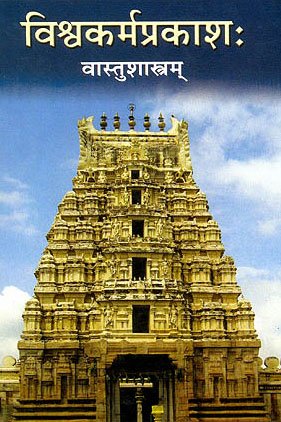
Vastushastra (वास्तुशास्त्र, vāstuśāstra) refers to the ancient Indian science (shastra) of architecture (vastu), dealing with topics such architecture, sculpture, town-building, fort building and various other constructions. Vastu also deals with the philosophy of the architectural relation with the cosmic universe.
Pancaratra (worship of Nārāyaṇa)
Anna (अन्न) refers to “offer of food” and represents one of the “eight steps of worship” (aṣṭāṅgapūjā), as discussed in 9 (Kriyākāṇḍa) of the Pārameśvarasaṃhitā: an important Pāñcarātra text of 8700 verses followed closely by the Ranganathaswamy temple at Srirangam—dealing with priestly concerns such as their daily routines, occasional liturgies and expiatory services.—Description of the chapter [dvādaśakāla-arcanādi-kālavibhāga-nirṇaya]:—[...] What is known as bhagavadyāga is comprised of eight steps [aṣṭāṅgapūjā]: Abhigamana, Bhoga (adoration with flowers etc.), Pūjā (offer of honey etc.), Anna (offer of food), Dāna or Sampradāna (gifts), Agnisantarpaṇa (offer in fire), Pitṛyāga (propitiation of ancestors), Prāṇāgnihotra (gratification of one’s own life-breaths, i.e. taking food) (180-185). This kind of worship cycle may be done as an alternative to what has already been outlined. [...]
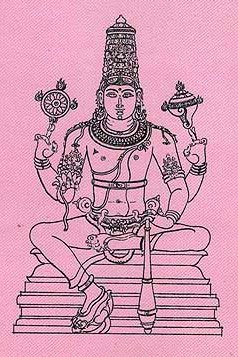
Pancaratra (पाञ्चरात्र, pāñcarātra) represents a tradition of Hinduism where Narayana is revered and worshipped. Closeley related to Vaishnavism, the Pancaratra literature includes various Agamas and tantras incorporating many Vaishnava philosophies.
Shaivism
Anna (अन्न) refers to the “food” (given by an alms-giver), according to the Pātravidhi—a manual of the Lakulīśa Pāśupata school of Śaivism dealing with purification of the initiate’s vessel (pātra) and other concerned issues.—Accordingly, “Jugglery, deceit, feigning, and separation of a wife and a man, and attraction: an ascetic should avoid these five possible flaws in alms-collection. (26) [...] An ascetic who takes pleasure in sharing [his food] with others always harms the four: the [alms-]giver, the food (anna), himself, and the one to whom he proffers [a portion of] the food. (30)”.

Shaiva (शैव, śaiva) or Shaivism (śaivism) represents a tradition of Hinduism worshiping Shiva as the supreme being. Closely related to Shaktism, Shaiva literature includes a range of scriptures, including Tantras, while the root of this tradition may be traced back to the ancient Vedas.
General definition (in Hinduism)
Anna or food is the basis of life. Life is sustained by the consumption of life, and this is the inherent principle of nature. And sustenance of life is the highest principle. At the same time, consumption of life defeats the same principle (for other creatures). Harming any living being is against that principle. Thus there arises the need for reconciliation between the principle of consumption and the principle of sustenance. This is explained by the concept of sacrifice.
Body is called anna-maya kosha or the sheath of food. It is the upādhi, the basis for every rite, through performance of which the purpose of life is fulfilled. The rite undertaken for sustaining the upādhi, namely consumption, is one of the most sacred and important ones. However, this means that only the consumption done with the sense of sacrifice, or with the sense of sustaining the upādhi, is considered sacred. Superfluous consumption of life, is against the principle of sustenance.
In Buddhism
Theravada (major branch of Buddhism)
Each;
'other', being of the opposite category.
-- or --
'highest knowledge', gnosis, refers to the perfect knowledge of the Saint (Arahat; s. ariya-puggala).
The following passage occurs frequently in the Suttas, when a monk indicates his attainment of Holiness (arahatta): "He makes known highest knowledge (aññam vyākaroti), thus: 'Rebirth has ceased, fulfilled is the holy life, the task is accomplished, and there is no more of this to come.' "
The 'faculty of highest knowledge' (aññ' indriya = aññā-indriya; s. indriya), however, is present in six of the eight stages of holiness, that is, beginning with the fruition of Stream-Winning (sotāpatti-phala) up to the path of Holiness (arahatta-magga).
See Dhs. (PTS) 362-364, 505, 553; Indriya Vibhanga; "Path" 162.
Theravāda is a major branch of Buddhism having the the Pali canon (tipitaka) as their canonical literature, which includes the vinaya-pitaka (monastic rules), the sutta-pitaka (Buddhist sermons) and the abhidhamma-pitaka (philosophy and psychology).
Mahayana (major branch of Buddhism)
Anna (अन्न) refers to “food”, according to the Gaganagañjaparipṛcchā: the eighth chapter of the Mahāsaṃnipāta (a collection of Mahāyāna Buddhist Sūtras).—Accordingly: “Then the Bodhisattva named Kālarāja addressed himself to the Bodhisattva Gaganagañja: ‘In this Saha universe, son of good family, there are living beings suffering from poverty, lacking food or drink (an-anna-pāna), and wearing ragged clothes; there are hungry ghosts tormented by hunger and thirst, covering themselves with their hairs, and subsisting on such as spittle, mucus, blood, and pus. In order to protect these living beings, please pour down the rain of food, drink, and clothing!’ [...]”.
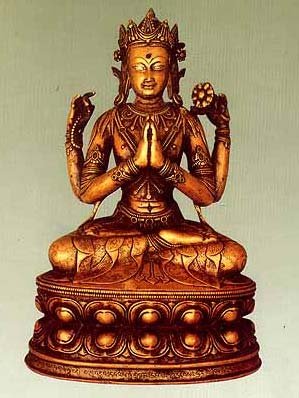
Mahayana (महायान, mahāyāna) is a major branch of Buddhism focusing on the path of a Bodhisattva (spiritual aspirants/ enlightened beings). Extant literature is vast and primarely composed in the Sanskrit language. There are many sūtras of which some of the earliest are the various Prajñāpāramitā sūtras.
In Jainism
General definition (in Jainism)
Anna (अन्न) participated in the war between Rāma and Rāvaṇa, on the side of the latter, as mentioned in Svayambhūdeva’s Paumacariu (Padmacarita, Paumacariya or Rāmāyaṇapurāṇa) chapter 57ff. Svayambhū or Svayambhūdeva (8th or 9th century) was a Jain householder who probably lived in Karnataka. His work recounts the popular Rāma story as known from the older work Rāmāyaṇa (written by Vālmīki). Various chapters [mentioning Anna] are dedicated to the humongous battle whose armies (known as akṣauhiṇīs) consisted of millions of soldiers, horses and elephants, etc.

Jainism is an Indian religion of Dharma whose doctrine revolves around harmlessness (ahimsa) towards every living being. The two major branches (Digambara and Svetambara) of Jainism stimulate self-control (or, shramana, ‘self-reliance’) and spiritual development through a path of peace for the soul to progess to the ultimate goal.
India history and geography
Anna.—Anglicised form of āṇaka; (1/16)th of a rupee (JNSI, Vol. XV, p. 142). Note: anna is defined in the “Indian epigraphical glossary” as it can be found on ancient inscriptions commonly written in Sanskrit, Prakrit or Dravidian languages.
--- OR ---
Anna.—Anglicised form of Muhammadan āna; (1/16) of rupee, property, etc. Note: anna is defined in the “Indian epigraphical glossary” as it can be found on ancient inscriptions commonly written in Sanskrit, Prakrit or Dravidian languages.
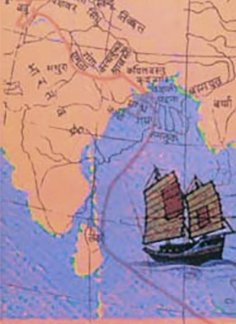
The history of India traces the identification of countries, villages, towns and other regions of India, as well as mythology, zoology, royal dynasties, rulers, tribes, local festivities and traditions and regional languages. Ancient India enjoyed religious freedom and encourages the path of Dharma, a concept common to Buddhism, Hinduism, and Jainism.
Languages of India and abroad
Pali-English dictionary
aṇṇa : (m.) water.
-- or --
anna : (nt.) food; boiled rice.
Aññā, (f.) (Sk. ājñā, = ā + jñā, cp. ājānāti) knowledge, recognition, perfect knowledge, philosophic insight, knowledge par excellence, viz. Arahantship, saving knowledge, gnosis (cp. on term Compend. 176 n. 3 and Psalms of Brethren introd. XXXIII, ) M.I, 445; S.I, 4 (sammad°), 24 (aññāya nibbuta); II, 221; V, 69, 129 (diṭṭh’eva dhamme), 133, 237; A.III, 82, 143, 192; V, 108; It.39 sq., 53, 104; Dh.75, 96; Kh VII, 11; Miln.334. — aññaṃ vyākaroti to manifest ones Arahantship (by a discourse or by mere exclamation) Vin.I, 183; S.II, 51 sq., 120; IV, 139; V, 222; J.I, 140; II, 333. See also arahatta.
— or —
Anna, (nt.) (Vedic anna, orig. pp. of adati to eat) “eating”, food, esp. boiled rice, but includes all that is eaten as food, viz. odana, kummāsa, sattu, maccha, maṃsa (rice, gruel, flour, fish, meat) Nd1 372 = 495. Anna is spelt aṇṇa in combinations apar’aṇṇa and pubb’aṇṇa. Under dhañña (Nd2 314) are distinguished 2 kinds, viz. raw, natural cereals (pubb’aṇṇaṃ: sāli, vīhi, yava, godhūma, kaṅgu, varaka, kudrūsaka) and boiled, prepared food (apa’aṇṇaṃ: sūpeyya curry). SnA 378 (on Sn.403) expls. anna by yāgubhattâdi. — D.I, 7; A.I, 107, 132; II, 70, 85, 203; Sn.82, 240, 403, 924; J.III, 190; Pug.51; Sdhp.106, 214.
— or —
Añña, (pron.) (Vedic anya, with compar. suff. ya; Goth. anpar; Ohg. andar; formation with n analagous to those with l in Gr. a)λlos (a)λjos), Lat. alius (cp. alter), Goth. aljis Ags. elles = E. else. From demonstr. base *eno, see na1 and cp. a3) another etc. — A. By itself: 1. other, not the same, different, another, somebody else (opp. oneself) Vin.III, 144 (aññena, scil. maggena, gacchati to take a different route); Sn.459, 789, 904; Dh.158 (opp. attānaṃ), 165; J.I, 151 (opp. attano); II, 333 (aññaṃ vyākaroti give a diff. answer). — 2. another one, a second; nt. else, further Sn.1052 (= uttariṃ nt. Nd2 17); else J.I, 294. aññaṃ kiñci (indef.) anything else J.I, 151. yo añño every other, whoever else J.I, 256. — 3. aññe (pl.) (the) others, the rest Sn.189, 663, 911; Dh.43, 252, 355; J.I, 254. — B. del. in correlation: 1. copulative. añña . . añña the one . . the other (. . the third etc.); this, that & the other; some . . some Vin.I, 15; Miln.40; etc. ‹-› 2. reciprocative añño aññaṃ, aññamaññaṃ, aññoññaṃ one another, each other, mutually, reciprocally (in ordinary construction & declension of a noun or adj. in sg.; cp. Gr. a)llήlwn, allήlous in pl.). (a.) añño aññaṃ Dh.165. (b.) aññamañña (cp. BSk. añyamañya M Vastu II, 436), as pron.: n’ālaṃ aññamaññassa sukhāya vā dukkhāya vā D.I, 56 = S III 211. n’aññamaññassa dukkhaṃ iccheyya do not wish evil to each other Sn.148. daṇḍehi aññamaññaṃ upakkamanti (approach each other) M.I, 86 = Nd2 199. °ṃ agāravo viharati A.III, 247. dve janā °ṃ ghātayiṃsu (slew each other) J.I, 254. aññamaññaṃ hasanti J.V, 111; °ṃ musale hantvā J.V, 267. °ṃ daṇḍâbhigāṭena PvA.58; or adj.: aññamaññaṃ veraṃ bandhiṃsu (established mutual enmity) J.II, 353; °ṃ piyasaṃvāsaṃ vasiṃsu J.II, 153; aññamaññaṃ accayaṃ desetvā (their mutual mistake) DhA.I, 57; or adv. dve pi aññamaññaṃ paṭibaddha citta ahesuṃ (in love with each other) J.III, 188; or °-: aññamañña-paccaya mutually dependent, interrelated Ps.II, 49, 58. ‹-› (c.) aññoñña (°-) J.V, 251 (°nissita); Dāvs.V, 45 (°bhinna). — 3. disjunctive añña . . añña one . . the other, this one . . . that one, different, different from aññaṃ jīvaṃ . . aññaṃ sarīraṃ one is the soul . . the other is the body, i. e. the soul is different from the body D.I, 157; M.I, 430; A.V, 193; aññā va saññā bhavissati añño attā D.I, 187. Thus also in phrase aññena aññaṃ opposite, the contrary, differently, contradictory (lit. other from that which is other) Vin.II, 85 (paṭicarati make counter-charges); D.I, 57 (vyākāsi gave the opposite or contradictory reply); Miln.171 (aññaṃ kayiramānaṃ aññena sambharati). ‹-› anañña (1) not another, i. e. the same, self-same, identical M.I, 256 (= ayaṃ). — (2) not anotber, i. e. alone, by oneself, oneself only Sn.65 (°posin; opp. paraṃ) = Nd 4, cp. Nd2 36. — (3) not another, i. e. no more, only, alone Sn.p. 106 (dve va gatiyo bhavanti anaññā: and no other or no more, only two). See also under cpds.
— or —
Aṇṇa, (food, cereal). See passages under aparaṇṇa & pubbaṇṇa. (Page 17)
1) anna (အန္န) [(na) (န)]—
[ada+ta. ,ṭī.465-.]
[အဒ+တ။ ဓာန်၊ဋီ။၄၆၅-ကြည့်။]
2) annā (အန္နာ) [(thī) (ထီ)]—
[¿]
[¿]
3) añña (အည) [(ti) (တိ)]—
[ana+ya. (anya-saṃ)]
[အန+ယ။ (အနျ-သံ)]
4) añña (အည) [(ti) (တိ)]—
[ā+ñā+a]
[အာ+ဉာ+အ]
5) añña (အည) [(ti) (တိ)]—
[nā+ñā+a]
[နာ+ဉာ+အ]
6) aññā (အညာ) [(catutthunta) (စတုတ္ထုန္တ)]—
[aññā+sa. sa- āyapru,ya-khye.]
[အညာ+သ။ သ-ကို အာယပြု၊ ယ-ချေ။]
7) aññā (အညာ) [(kri,vi) (ကြိ၊ဝိ)]—
[ā+ñā+tvā. tvā- āya-pru,ya-khye.]
[အာ+ဉာ+တွာ။ တွာ-ကို အာယ-ပြု၊ ယ-ချေ။]
8) aññā (အညာ) [(thī) (ထီ)]—
[ā+ñā+a]
[အာ+ဉာ+အ]
9) aṇṇa (အဏ္ဏ) [(pu) (ပု)]—
[aṇa+a. ara+ta. ṭī.661-.]
[အဏ+အ။ အရ+တ။ ဓာန်ဋီ။၆၆၁-ကြည့်။]
[Pali to Burmese]
1) anna—
(Burmese text): စားအပ်သော အစာ၊ ထမင်း ခဲဖွယ် ဘောဇဉ်။ (၂) အန္န-ဟု သိမှတ်အပ်သော ပစ္စည်း ၄-ပါး။ (၃) စားခြင်း။
(Auto-Translation): Food that can be eaten, such as porridge. (2) Four items that need to be identified as An-na. (3) Eating.
2) annā—
(Burmese text): [¿]
အမိ၊ မိခိင်။
(Auto-Translation): [¿]
Mother, Mother.
3) añña—
(Burmese text): (က) မသိသော၊ သူ၊ (လူမိုက်)။ (ထီ) (ခ) မသိခြင်း။
(Auto-Translation): (a) Unknown, he, (madman). (lottery) (c) Ignorance.
4) añña—
(Burmese text): သိသော၊ သူ။ သောတာပတ္တိမဂ်သည် သိအပ်သော အပိုင်းအခြားကို မလွန်မူ၍ သိတတ်သော၊ သူ။ အညိန္ဒြိယ-လည်းကြည့်။
(Auto-Translation): He is knowledgeable and does not go beyond what is known, he is an expert. Look at the examples as well.
5) añña—
(Burmese text): (၁) အခြားတစ်ပါးသော၊ သူ၊ အရာ။ (၂) အချို့သော၊ သူ။
(Auto-Translation): (1) Another, he, thing. (2) Some, he.
6) aññā—
(Burmese text): (၁) အောက်မဂ်တို့ သိအပ်ပြီးသော-အပိုင်း အခြား-အတိုင်း-ကို မလွန်မူ၍-သစ္စာ ၄-ပါးတရားတို့ကို သိတတ်သော တရား။ လွန်စွာ-ထက်ဝန်းကျင်မှ-အလုံးစုံသော အပြားအားဖြင့်-သိတတ်သော တရား။ (က) အရဟတ္တမဂ်၊ အရဟတ္တမဂ်ပညာ၊ အရဟတ္တဖိုလ်၊ အရဟတ္တဖိုလ်ပညာ၊ ထိုနှင့်ယှဉ်သော သမ္မာသင်္ကပ္ပစသည်။ (ခ) အညိန္ဒြေ၊ သောတာပတ္တိဖိုလ်မှ စ၍ အရဟတ္တမဂ်တိုင်အောင်သော အလယ်ဉာဏ်-၆-ပါး။ အညာပေက္ခ-လည်းကြည့်။
(Auto-Translation): (1) The truths that we comprehend are the fourfold truths of morality, not transcending the known boundaries of the unobservable. The truth is known comprehensively through extensive understanding of the environment. (a) The understanding of noble people, knowledge of noble existence, the path of noble existence, and the wisdom associated with those truths. (b) From the point of view of the five senses to the ultimate understanding of noble existence, the six types of central consciousness are also to be observed in their respective perspectives.
7) aññā—
(Burmese text): သိ၍။
(Auto-Translation): Knowing.
8) aññā—
(Burmese text): သိခြင်းငှါ။ သိခြင်းအကျိုးငှါ။
(Auto-Translation): For knowledge. For the benefits of knowledge.
9) aṇṇa—
(Burmese text): ရေ။
(Auto-Translation): Water.
Pali is the language of the Tipiṭaka, which is the sacred canon of Theravāda Buddhism and contains much of the Buddha’s speech. Closeley related to Sanskrit, both languages are used interchangeably between religions.
Marathi-English dictionary
aṇṇā (अण्णा).—ind A term of respectful compellation or mention for a male. See vyavahārika nāva.
--- OR ---
anna (अन्न).—n (S) Victuals or provisions; esp. used of bread, rice, or other farinaceous food. Pr. annā- sārakhā lābha (nāhīṃ) maraṇāsārakhī hāni (nāhīṃ). Pr. anna tārī anna mārī annāsārakhā nāhīṃ vairī. 2 A preparation of food, a dish. Ex. vicitra annēṃ vā- ḍhilīṃ pātrīṃ|| anna anna karaṇēṃ or karīta phiraṇēṃ To wander about begging for food. Ex. tukayācī jyēṣṭha kāntā || mēlī anna anna karitāṃ || anna kaḍē kāṇṭhāsa ṭhēvaṇēṃ To put on one side, with a separating line drawn, that portion of victuals served which is excessive, or which it is designed to reserve. The line is drawn to preserve the food from being rendered impure. anna cāraṇēṃ To feed; to support or provide for. anna parabrahma Food is the excellent Brahma himself. All honor and glory to Food! annapāṇī or anna tuṭaṇēṃ or rāhaṇēṃ g. of s. To lose one's relish of food or one's appetite. annapāṇī sōḍaṇēṃ To give up food; to leave off eating. annā anna vastrāvara vastra (Food upon food, clothes upon clothes.) Good things in close succession. annāāḍa yēṇēṃ g. of o. To stand against or oppose one's means or prospects of subsistence. annācā That is fostered by or nourished by the food of. annācā māralēlā khālīṃ pāhī taravārīcā māralēlā vara pāhī Feed a man, and he stands downlooking, humble, submissive, ready to obey: strike a man, and he looks you daringly in the face. Kindness subdues: violence rouses up. annācī lāja dharaṇēṃ or, in. con. yēṇēṃ To do services for in consideration of having eaten the food of. annācēṃ khōbarēṃ hōṇēṃ A phrase expressive of dearth or scarcity. Current amongst people to whom cocoanuts are rare and precious. annācēṃ pāṇī kara- ṇēṃ (To turn one's food into water.) To destroy all the relish and nourishing power of one's food (through saying or doing something alarming or inauspicious at the time of eating). Also hōṇēṃ g. of s. annācyā pāṭhīṃ lāgaṇēṃ To go in pursuit of subsistence. annānta mātī kālaviṇēṃ or ghālaṇēṃ To destroy or impair the means of subsistence of. annā- muḷēṃ vāḷaṇēṃ To languish and waste from want of food. annāsa jāgaṇēṃ To be mindful of (grateful for) food or subsistence afforded. annāsa mahāga or annāsa mōtāda Extremely indigent; destitute of the common necessaries. annāsa lāvaṇēṃ or anna lāvaṇēṃ To put into the way of obtaining support; to give work or employment. khāllēṃ anna aṅgīṃ lā- gata nāhīṃ Used where a deed done, or a thing obtained, does not profit.
--- OR ---
anna (अन्न).—. Add as a phrase:--anna jāṇēṃ in con. To have appetite; to find food to be genial, kindly, agreeable &c.; to go down with.
aṇṇā (अण्णा).—ind A term of respectful mention for a male.
--- OR ---
anna (अन्न).—n Victuals. annaanna karaṇēṃ Wander about, begging for food. anna tuṭaṇēṃ Lose one's appetite. annapāṇī sōḍaṇēṃ Give up food; leave off eating. annasatrīṃ (annachatrānta) jēvaṇēṃ, mirapūḍa māgaṇēṃ To dine upon charity and call out for sauce, to look a gift-horse in the mouth. annāā़ḍa yēṇēṃ Oppose one's means of subsistence. annācā māralēlā Bought over or made entirely sub- servient by feeding. annācyā pāṭhīṃ lāgaṇēṃ Go in pursuit of subsistence. annāsa jāgaṇēṃ Be mindful of (grateful for) food afforded. annāsa mahāga-mōtāda Ex- tremely indigent. annāsa lāvaṇēṃ Give employment.
Marathi is an Indo-European language having over 70 million native speakers people in (predominantly) Maharashtra India. Marathi, like many other Indo-Aryan languages, evolved from early forms of Prakrit, which itself is a subset of Sanskrit, one of the most ancient languages of the world.
Sanskrit dictionary
Anna (अन्न).—[ad-kta; anityanena, an-nan; according to Yāska from ad, adyate atti ca bhūtāni; or from ā-nam, ā ābhi mukhyena hyetannataṃ prahvībhūtaṃ bhavati bhojanāya bhūtānām]
1) Food (in general); अद्यतेऽत्ति च भूतानि तस्मादन्नं तदुच्यते (adyate'tti ca bhūtāni tasmādannaṃ taducyate) Tait. Up.; मदोऽसृङ्मांसमज्जास्थि वदन्त्यन्नं मनीषिणः (mado'sṛṅmāṃsamajjāsthi vadantyannaṃ manīṣiṇaḥ) Manusmṛti 3.8.182; अहमन्नं भवान् भोक्ता (ahamannaṃ bhavān bhoktā) H.1.51. I am your prey &c.; चराणामन्नमचराः (carāṇāmannamacarāḥ) Manusmṛti 5.29.
2) Food as representing the lowest form in which the Supreme Soul is manifested, being the coarsest and last of the 5 vestures (kośa) in which the soul is clothed and passes from body to body in the long process of metempsychosis "the nutrimentitious vesture or visible body in the world of sense" (sthūla- śarīra called annamayakośa).
3) Boiled rice; अन्नेन व्यञ्जनम् (annena vyañjanam) P. II.1.34.
4) Corn (bread corn); ता (tā) (āpaḥ) अन्नम- सृजन्त तस्माद्यत्र क्व च वर्षति तदेव भूयिष्ठमन्नं भवति (annama- sṛjanta tasmādyatra kva ca varṣati tadeva bhūyiṣṭhamannaṃ bhavati) Ch. Up. 6.2.4.; आदित्याज्जायते वृष्टिर्वृष्टेरन्नं ततः प्रजाः (ādityājjāyate vṛṣṭirvṛṣṭerannaṃ tataḥ prajāḥ) Manusmṛti 3.76; कृत° (kṛta°) 9.219;1.86,12.65.
5) Water.
6) Earth (pṛthivyā annahetutvādannaśabdavācyatā).
7) Name of Viṣṇu.
-nnaḥ The sun (sa hi annahetuvṛṣṭihetuḥ).
Derivable forms: annam (अन्नम्).
--- OR ---
Ānna (आन्न).—a. (-nnī f.) [अन्नं लब्धा अन्न-ण (annaṃ labdhā anna-ṇa) P.IV.4.85]
1) Fed, having food.
2) Relating to, derived from food.
Anna (अन्न).—mfn.
(-nnaḥ-nnā-nnaṃ) Eaten. n.
(-nnaṃ) 1. Boiled rice. 2. Food in general. 3. Corn. E. ada to eat, and kta affix of the part. past, ta becoming na.
--- OR ---
Ānna (आन्न).—mfn.
(-nnaḥ-nnī-nnaṃ) 1. Fed, having food. 2. Relating to food, derived from it, &c. E. anna and aṇ aff.
Anna (अन्न).—i. e. ad + na, n. 1. Food, [Mānavadharmaśāstra] 3, 182. 2. Corn, [Mānavadharmaśāstra] 3, 76. 3. Boiled rice, [Mānavadharmaśāstra] 3, 82.
Anna (अन्न).—[neuter] food, [especially] boiled rice; p. vant.
1) Anna (अन्न):—mfn. (√ad), eaten, [cf. Lexicographers, esp. such as amarasiṃha, halāyudha, hemacandra, etc.]
2) n. food or victuals, especially boiled rice
3) bread corn
4) food in a mystical sense (or the lowest form in which the supreme soul is manifested, the coarsest envelope of the Supreme Spirit)
5) water, [Naighaṇṭuka, commented on by Yāska]
6) Viṣṇu
7) earth, [cf. Lexicographers, esp. such as amarasiṃha, halāyudha, hemacandra, etc.]
8) Ānna (आन्न):—mfn. ([from] anna), having food, one who gets food, [Pāṇini 4-4, 85]
9) relating to food.
Anna (अन्न):—I. 1. m. f. n.
(-nnaḥ-nnā-nnam) Eaten. [The use of this word, as a past participle of ad, is restricted, according to Hemachandra’s Dhātupārāyaṇa, to such passive constructions as correspond with our use of a past partic.; but while jagdha may be substituted for anna also in these cases, jagdha alone is admissible when ‘eaten’ is used either substantively with a genitive depending on it or impersonally; ‘adyarthācceti vādhāre (ādhāra is here equivalent to adhikaraṇa of Pāṇ. Iii. 4. 76.) kte . idameṣāṃ jagdham .. pakṣe karmaṇi kte . jagdhamannam .. bhāve . jagdhamanena ..’.] 2. n.
(-nnam) 1) Food in general, eatable or drinkable; e. g. annaṃ pitṛmanuṣyebhyo deyamapyanvahaṃ jalam (comm.: annagrahaṇaṃ sakalādanīyapradarśanārtham); or annamiṣṭaṃ haviṣyaṃ ca dadyādakrodhanotvaraḥ (comm.: annaṃ bhakṣyabhojyalehyacoṣyapeyātmakaṃ pañcavidhaṃ dṛṣṭam); also elliptically, the eating of food, e. g. sarvānnānumatiśca prāṇātyaye taddarśanāt; comp. also annakāla, annapānarakṣā &c. In the post-vaidik literature, an exalted eulogium of food as the supporter of creation is given e. g. in the Anuśāsanaparvan of the Mahābhārata v. 3204—3251 and 5541 —5562; comp. also annada.
2) (In the Upanishads and the Vedānta philos.) Food in a metaphysical or mystical sense, the essence of the elementary creation, that of which the coarsest sheath or the coarse body of the Supreme Soul (see annamayakośa and sthūlaśarīra) is framed: the lowest and therefore not truest form in which Brahman (n.) or the Supreme Soul (comp. annabrahman) manifests itself in its worldly and conscious existence (‘yennaṃ brahmopāsate’; ‘annaṃ brahmetyeka āhustanna’; see also annaja). Compare besides prāṇa, manas, vijñāna, ānanda. In this form the Supreme Soul is also called vaiśvānara, virāj, viśva and jāgrat qq. vv., e. g. annaṃ vai virāṭ; or saiṣā virāḍdaśasaṃkhyā satyannaṃ cānnādinī ca. The process of this manifestation is thus imagined in the Taittirīya Upanishad: in the Supreme Soul originates æther, in æther air and so on in each preceding element successively fire, water, earth, herbs, food, from which comes semen and man; in food originate, too, all other creatures living on this earth (‘annādvai prajāḥ prajāyante yāḥ kāśca pṛthivīṃ śritāḥ . athonnenaiva jīvanti . athainadapi yantyantataḥ . annaṃ hi bhūtānāṃ jyeṣṭhaṃ tasmātsarvauṣadhamucyate’). In the Vedānta the theory of this primitive developement is more intricate; comp. s. v. annamayakośa. (In the Aitareya Upan. food is represented as a being of organised form sprung forth from the heated waters, the process of creation differing materially from that imagined by the Taittirīya and the Vedānta.)
3) (The latter meaning applied in the doctrine of the Viṣṇuites to) Viṣṇu.
4) (ved.) Water.
5) Corn in general (comp. sarvauṣadha under meaning 2.).
6) Boiled rice. [In the two last meanings anna is used also as a term of contempt; when combined with man cl. 4. in this sense, it depends on the latter in the accusative (not in the dative as similar terms, e. g. tṛṇa, busa, śvan &c. also may); e. g. na tvānnaṃ manye yāvadbhuktaṃ na śrāddham ‘not so much as a grain or a grain of boiled rice &c.’ (but na tvā tṛṇaṃ, busaṃ, śvānaṃ or tṛṇāya, busāya, śune manye); for similar terms comp. also nau, kāka, śuka, śṛgāla.]
7) A soup or sauce made of flesh; see annaprāśana.
8) A soup or sauce made of rice; see s. v. annamala.
9) Spirituous liquor made of rice; see s. v. annapeya and annamala. E. ad, uṇ. aff. kta; the native gramm. assign to anna in the meaning ‘boiled rice’, and probably also in the other meanings, the uṇ. aff. na which is nit. The Taittirīya-Upan. explains anna 2. 2. thus: adyatetti ca bhūtāni tasmādannaṃ taducyata iti . ‘because it is eaten and because it eats what exists i. e. because what exists becomes again anna’. Ii. m.
(-nnaḥ) The sun. E. According to an Uṇṇādisūtra as quoted in the Siddh. Kaum. and in Nṛsiṃha’s Swaramañjarī at, uṇ. aff. na; acc. to Hemach.’s Dhātupārāyaṇa, am (uṇṇādau damyamīti ne . annaḥ), uṇ. aff. na.
1) Anna (अन्न):—(nnaṃ) 1. n. Boiled rice, food, corn. a. Eaten.
2) Ānna (आन्न):—[(nnaḥ-nnā-nnaṃ) a.] Fed, having food.
Anna (अन्न):—(part. praet. pass. von 1. ad)
1) adj. gegessen [Amarakoṣa 3, 2, 60.] [Trikāṇḍaśeṣa 3, 3, 226.] [Hemacandra’s Anekārthasaṃgraha 2, 257.] [Medinīkoṣa Nalopākhyāna 2.] Sonst nicht zu belegen. —
2) m. Sonne [Siddhāntakaumudī im Śabdakalpadruma] —
3) n. a) Speise, Nahrung [Yāska’s Nirukta 3, 9.] [Amarakoṣa 2, 7, 24.] annā.yadindraḥ pratha.ā vyāśa [Ṛgveda 3, 36, 8.] mogha.annaṃ vindate.apracetāḥ [?10, 117, 6. 1, 61, 7. 10, 107, 7. Atharvavedasaṃhitā 5, 18, 4. 28, 3. 8, 2, 19. u.s.w. The Śatapathabrāhmaṇa 14, 8, 13, 1—3. (= Bṛhadāranyakopaniṣad 5, 12). Bṛhadāranyakopaniṣad 1, 2, 5.] adyate tti ca bhūtāni . tasmādannaṃ taducyata iti [TAITT. Upakośā 2, 2.] medo’sṛṅmāṃsamajjāsthi vadantyannaṃ manīṣiṇaḥ [Manu’s Gesetzbuch 3, 182.] prāṇasyānnamidaṃ sarvaṃ prajāpatirakalpayat . sthāvaraṃ jaṅgamaṃ caiva sarvaṃ prāṇasya bhojanam .. [5, 28.] dūṣayeccāsya (sc. areḥ) satataṃ yavasānnodakendhanaṃ [7, 195.] carāṇāmannamacarā daṃṣṭriṇāmapyadaṃṣṭriṇaḥ [29.] [Rāmāyaṇa 5, 35, 42.] [Hitopadeśa I, 47.] annapakti [Manu’s Gesetzbuch 9, 11.] annasaṃskāra [Nalopākhyāna 15, 3.] miṣṭamannam [Rāmāyaṇa 1, 19, 22.] sujīrṇamannam [Hitopadeśa I, 19.] praśastamannabhojanam [Rāmāyaṇa 2, 12, 92.] annapānena vividhena [Indralokāgamana 4, 11.] vividhairannapānaiḥ [Rāmāyaṇa 2, 10, 15.] bhakṣyānnapānaiḥ [1, 12, 10.] pl.: arcayet nṝnannaiḥ [Manu’s Gesetzbuch 3, 81. 124.] miṣṭānyannāni [Viśvāmitra’s Kampf 3, 3.] annānāṃ nicayaṃ sarvaṃ sṛjasva śabale [Viśvāmitra’s Kampf 2, 24]; vgl. munyanna . Wird mit der Person, die die Speise geniesst oder für die sie bestimmt ist, zusammeng.: gaṇānna, gaṇikānna, devānnāni [Manu’s Gesetzbuch 4, 209. 212. 213. 5, 7.] Im comp. s. ghṛtānna, tadanna, drvanna, pīvoanna, vaśānna u. s. w. — b) gekochter Reis, die Hauptnahrung des Inders, [Amarakoṣa 2, 9, 48.] [Trikāṇḍaśeṣa 3, 3, 226.] [Hemacandra’s Abhidhānacintāmaṇi 395.] [Anekārthasaṃgraha 2, 257.] [Medinīkoṣa Nalopākhyāna 2.] annena vyañjanam [Pāṇini’s acht Bücher 2, 1, 34.] dhānyamannaṃ ca [Manu’s Gesetzbuch 10, 114.] dhānyānnadhanacauryāṇi [11, 162.] — c) Korn überhaupt (dhānya) [Rājanirghaṇṭa im Śabdakalpadruma] tā (sc. āpaḥ) annamasṛjanta tasmādyatra kva ca varṣati tadeva bhūyiṣṭhamannaṃ bhavati [Chāndogyopaniṣad 6, 2, 4.] ādityājjāyate vṛṣṭirvṛṣṭerannaṃ tataḥ prajāḥ [Manu’s Gesetzbuch 3, 76.] kṛtānna zubereiteter Reis [9, 219. 10, 86. 94. 11, 3. 12, 65.] akṛtānna ibid. śuṣkānna [11, 166.] — d) Viṣṇu (unter seinen 1000 Namen) [Śabdakalpadruma] — e) Wasser [das 1, 12.] — f) Erde (im Vedānta) [Colebrooke I, 374.] — ananna oder ananna [Pāṇini’s acht Bücher 6, 2, 161.]
--- OR ---
Ānna (आन्न):—adj. = annaṃ labdhā im Besitz von Speise [Pāṇini’s acht Bücher 4, 4, 85.]
Anna (अन्न):——
1) *Adj. gegessen. —
2) n. — a) Speise , Nahrung ; insbes. Reis (gekocht oder roh). na tvānnaṃ manye so v.a. ich achte dich weniger als ein Reiskorn [230,1.] — b) *Wasser. — c) *Wolke [Galano's Wörterbuch]
--- OR ---
Ānna (आन्न):—Adj. = ānnaṃ labdhā.
Anna (अन्न) in the Sanskrit language is related to the Prakrit word: Aṇṇa.
Anna (in Sanskrit) can be associated with the following Chinese terms:
1) 頞那 [è nà]: “Anna” [Sanskrit place name].
Sanskrit, also spelled संस्कृतम् (saṃskṛtam), is an ancient language of India commonly seen as the grandmother of the Indo-European language family (even English!). Closely allied with Prakrit and Pali, Sanskrit is more exhaustive in both grammar and terms and has the most extensive collection of literature in the world, greatly surpassing its sister-languages Greek and Latin.
Hindi dictionary
Anna (अन्न) [Also spelled ann]:—(nm) corn, food, (usu. cooked); ~[deva] spirit corn.
...
Prakrit-English dictionary
1) Aṇṇa (अण्ण) in the Prakrit language is related to the Sanskrit word: Bhuj.
2) Aṇṇa (अण्ण) also relates to the Sanskrit word: Anya.
3) Aṇṇa (अण्ण) also relates to the Sanskrit word: Anna.
4) Aṇṇa (अण्ण) also relates to the Sanskrit word: Arṇas.
5) Aṇṇā (अण्णा) also relates to the Sanskrit word: Ājñā.
Prakrit is an ancient language closely associated with both Pali and Sanskrit. Jain literature is often composed in this language or sub-dialects, such as the Agamas and their commentaries which are written in Ardhamagadhi and Maharashtri Prakrit. The earliest extant texts can be dated to as early as the 4th century BCE although core portions might be older.
Kannada-English dictionary
Aṇṇa (ಅಣ್ಣ):—
1) [noun] an elder brother.
2) [noun] a respectful mode of addressing a male (irrespective of his age).
3) [noun] a term used (esp. in the southern parts of Karnāṭaka by some communities) to address father.
4) [noun] a term used to address a male sarcastically.
5) [noun] a castrated man, kept in charge of a harem; a eunuch.
6) [noun] a suffix to the names of males (either as a part of the name or used respectfully);7) [noun] ಅಣ್ಣ ಸತ್ತರೆ ಹುಣ್ಣಿಮೆ ನಿಲ್ಲದು [anna sattare hunnime nilladu] aṇṇa sattare huṇṇime nilladu (prov.) the sun will not stop rising in the east if my alarm clock is not working; time and tide wait for no man; ಅಣ್ಣ ತನ್ನವನಾದರೆ ಅತ್ತಿಗೆ ತನ್ನವಳೇ [anna tannavanadare attige tannavale]? aṇṇa tannavanādare attige tannavaḷe? (prov.) a distant relative need not have concern as a blood relative; ಅಣ್ಣತಮ್ಮನಮರ [annatammanamara] aṇṇa tammana mara the tree Dipterocarpus indicus of Dipterocarpaceae family; Indian dipterocarp; ಅಣ್ಣನಂಕಕಾರ [annanamkakara] aṇṇanaŋkakāra a military title given to a man who fights for his elder brother; ಅಣ್ಣನ ಗಂಧವಾರಣ [annana gamdhavarana] aṇṇana gandvāraṇa = ಅಣ್ಣನಂಕಕಾರ [annanamkakara]; ಅಣ್ಣನ ಬಂಟ [annana bamta] aṇṇana baṇṭa = ಅಣ್ಣನಂಕಕಾರ [annanamkakara]; ಅಣ್ಣನ ಸಿಂಗ [annana simga] aṇṇana siŋga = ಅಣ್ಣನಂಕಕಾರ [annanamkakara]; ಪರವೆಂಡಿರಣ್ಣ [paravemdiranna] paraveṇḍiraṇṇa one who regards another’s wife as his own sister.
--- OR ---
Aṇṇa (ಅಣ್ಣ):—[noun] a small pond or a small stream (?).
--- OR ---
Aṇṇa (ಅಣ್ಣ):—[noun] a ceremonious impurity .
--- OR ---
Anna (ಅನ್ನ):—[adjective] of that
--- OR ---
Anna (ಅನ್ನ):—
1) [noun] (gen.) that which is taken into and assimilated by human beings to keep them alive and enable them to grow and repair tissue; food.
2) [noun] cooked rice, as the staple food.
3) [noun] Viṣṇu one of the Hindu Trinities.
4) [noun] the sun or the Sun-God.
5) [noun] water.
6) [noun] the earth.
7) [noun] ಅನ್ನ ಕಟ್ಟು [anna kattu] anna kaṭṭu (fig.) to spend less on food and other essential needs with a view to saving money for future or for a particular purpose; ಅನ್ನ ಕಸಿ [anna kasi](ದುಕೊ [duko]) anna kasi(duko) = ಅನ್ನ ಕಿತ್ತುಕೊ [anna kittuko]; ಅನ್ನ ಕಿತ್ತುಕೊ [anna kittuko] anna kittuko (fig.) to spoil one’s means of subsistence; ಅನ್ನಕ್ಕೆ ಕಲ್ಲು ಹಾಕು [annakke kallu haku] annakke kallu hāku = ಅನ್ನ ಕಿತ್ತುಕೊ [anna kittuko]; ಅನ್ನಕ್ಕೆ ದಂಡ, ಭೂಮಿಗೆ ಭಾರ [annakke damda, bhumige bhara] annakke daṇḍa, bhūmige bhāra (prov.) (said of) a completely useless person; ಅನ್ನಕ್ಕೆ ಬಿದ್ದಿರು [annakke biddiru] annakke biddiru (derog.) to depend entirely (often helplessly) on another for one’s basic necessities; ಅನ್ನಕ್ಕೆ ತತ್ವಾರವಾಗು [annakke tatvaravagu] annakke tatvāravāgu (one’s condition) to become worse as to have no means for subsistence; ಅನ್ನ ಗಂಜಿಯಾಗು [anna gamjiyagu] anna gañjiyāgu (id .) to become extremely poor, destitute; (ಒಬ್ಬನ [obbana]) ಅನ್ನ ತಿಂದಿರು [anna timdiru] (obbana) a nna tindiru (fig.) to be under the obligation of another from whom a help (esp. as an employee) is received; ಅನ್ನದ ಗೊಂಬೆ [annada gombe] annada gombe (dial.) a small jointed figure made of boiled rice waved three times before a child and thrown out which ritual is believed to ward off evil spirits or cure diseases; ಅನ್ನದಲ್ಲಿ ಕಲ್ಲನ್ನು ಜಗಿದಂತಾಗು [annadalli kallannu jagidamtagu] annadalli kallannu jagidaŋgāgu (simile) to encounter unexpectedly a condition of grief or great inconvenience, embarrassment; ಅನ್ನಕೇಳಬೇಡ, ಅರಿವೆ ಕೇಳಬೇಡ, ಅರಗಿಣಿಯ ಹಾಗೆ ಸಾಕುತ್ತೇನೆ [annakelabeda, arive kelabeda, araginiya hage sakuttene] anna kēḷabēḍa, arive kēḷabēḍa, aragiṇiya hāge sākuttēne (prov.) if I do not have to spend from my pocket, let the guardianship be mine; ಅನ್ನದ ದಾರಿ [annada dari] annada dāri (fig.) a means of one’s livelihood; ಅನ್ನದ ಬಾಯಿಗೆ ಮಣ್ಣುಹಾಕು [annada bayige mannuhaku] annada bāyige maṇṇu hāku = ಅನ್ನ ಕಿತ್ತುಕೊ [anna kittuko]; ಅನ್ನಹಾಕಿದ ಕೈ ಕಚ್ಚು [annahakida kai kaccu] anna hākida kai kaccu = ಅನ್ನ ಹಾಕಿದ ಮನೆಗೆ ಕನ್ನ ಹಾಕು [anna hakida manege kanna haku] ; ಅನ್ನ ಹಾಕಿದ ಮನೆಗೆ ಕನ್ನ ಹಾಕು [anna hakida manege kanna haku] anna hākida manege kanna hāku (fig.) to be ungrateful to one from whom timely help was received; to betray the one who helped at time of difficulty; ಅನ್ನ ಹಳಸಿತ್ತು ನಾಯಿ ಕಾದಿತ್ತು [anna halasittu nayi kadittu] anna haḷasittu, nāyi kādittu worst thing goes to the one who does not deserve a better.
--- OR ---
Anna (ಅನ್ನ):—[noun] = ? (ಅನ್ನವೇ ನಿಜವೆಂಬುದರ್ಥ [annave nijavembudartha]).
--- OR ---
Anna (ಅನ್ನ):—[adverb] up to the time of; till; until.
Kannada is a Dravidian language (as opposed to the Indo-European language family) mainly spoken in the southwestern region of India.
Tamil dictionary
Aṇṇā (அண்ணா) [aṇṇāttal] 12 intransitive verb < idem. [K. aṇṇe, M. Travancore usage aṇṇā.]
1. To look upward; மேல்நோக்குதல். [melnokkuthal.] (நற்றிணை [narrinai] 10.)
2. To gape, open the mouth; வாய்திறத்தல். அண்ணாத்தல் செய்யா தளறு [vaythirathal. annathal seyya thalaru] (திருக்குறள் [thirukkural], 255).
3. To hold the head erect; தலைநிமிர்தல். நண்ணார் நாண வண்ணாந் தேகி [thalainimirthal. nannar nana vannan thegi] (புறநானூறு [purananuru] 47).
--- OR ---
Aṇṇā (அண்ணா) noun < idem.
1. Elder brother; அண்ணன். [annan.] Colloq.
2. Father; தகப்பன். [thagappan.] Brāh.
--- OR ---
Aṇṇā (அண்ணா) noun < idem. + நா. [na.] Uvula; உண்ணாக்கு. அண்ணா வுரிஞ்சி மூக்குயர்த்தார் [unnakku. anna vurinchi mukkuyarthar] (சீவகசிந்தாமணி [sivagasindamani] 2703).
--- OR ---
Aṇṇā (அண்ணா) noun < அண்ணா-. [anna-.] cf. aruṇa. Tiruvaṇṇāmalai, a Śiva shrine; திருவண்ணாவைத்திய மலையகராதி [thiruvannamalai.] (தேவாரம் [thevaram] 756, 1.)
--- OR ---
Aṉṉa (அன்ன) noun < அ. [a.] Such or similar things, impersonal pl.; அத்தன்மையானவை. [athanmaiyanavai.] — verb Are of the same kind, are similar, impersonal pl. of finite appel. verb; ஓர் அஃறிணைப் பன்மைக் குறிப்பு வினைமுற்று. பிறவும் அன்ன. [or aqrinaip panmaig kurippu vinaimurru. piravum anna.] — particle An appel. word of comparison; ஓர் உவமவுருபு. [or uvamavurupu.] (தொல். பொ. [thol. po.] 287.)
--- OR ---
Aṉṉā (அன்னா) adverb There; அங்கு. [angu.] Tinnevelly usage
Tamil is an ancient language of India from the Dravidian family spoken by roughly 250 million people mainly in southern India and Sri Lanka.
Nepali dictionary
Anna (अन्न):—n. 1. food; food supplies; provisions; 2. corn grain;
Nepali is the primary language of the Nepalese people counting almost 20 million native speakers. The country of Nepal is situated in the Himalaya mountain range to the north of India.
Chinese-English dictionary
[The following represents an unverified English translation. For all purposes consult the original Chinese text.]
按捺 [àn nà] [an na]—
Suppress, endure.
From "Qing Ping Shan Tang Hua Ben • Wen Jing Yuan Yang Hui (清平山堂話本 [qing ping shan tang hua ben].刎頸鴛鴦會 [wen jing yuan yang hui])": "So angry that he couldn't suppress (不下 [bu xia]) it, he threw a brick."
From "The Travels of Lao Ts'an (老殘遊記 [lao can you ji])" Chapter 17: "Cuihuan couldn't restrain herself (不住 [bu zhu]) at this moment, and anticipating a disastrous outcome, she knelt in tears before Renrui (人瑞 [ren rui])."
Also written as "按納 [an na] (an na)."
按捺:抑止、忍耐。《清平山堂話本.刎頸鴛鴦會》:「氣得按捺不下,打一磚去。」《老殘遊記》第一七回:「翠環此時按捺不住,料想一定凶多吉少,不覺含淚跪到人瑞面前。」也作「按納」。
àn nà: yì zhǐ,, rěn nài. < qīng píng shān táng huà běn. wěn jǐng yuān yāng huì>: “qì dé àn nà bù xià, dǎ yī zhuān qù.” < lǎo cán yóu jì> dì yī qī huí: “cuì huán cǐ shí àn nà bù zhù, liào xiǎng yī dìng xiōng duō jí shǎo, bù jué hán lèi guì dào rén ruì miàn qián.” yě zuò “àn nà” .
an na: yi zhi,, ren nai. < qing ping shan tang hua ben. wen jing yuan yang hui>: "qi de an na bu xia, da yi zhuan qu." < lao can you ji> di yi qi hui: "cui huan ci shi an na bu zhu, liao xiang yi ding xiong duo ji shao, bu jue han lei gui dao ren rui mian qian." ye zuo "an na" .
[The following represents an unverified English translation. For all purposes consult the original Chinese text.]
按納 [àn nà] [an na]—
1. To restrain, to endure. Dongxi Xiang (董西廂 [dong xi xiang]), Scroll 3: "Junrui's (君瑞 [jun rui]) heart flared with anger, so frustrated he was in turmoil. How could he restrain his troubled body and mind? He muttered curses under his breath." Jingshi Tongyan (警世通言 [jing shi tong yan]), Scroll 25, "Gui Yuanwai Tuqiong Chanhui" (桂員外途窮懺悔 [gui yuan wai tu qiong chan hui]): "Shi Huan (施還 [shi hai]) at this moment was filled with anger, unable to suppress the slightest spark of rage." Also written as "按捺 [an na] (ànnà)."
2. To fathom, to figure out. Yuan Dynasty, Wang Shifu (王實甫 [wang shi fu]), Romance of the Western Chamber (Xixiang Ji 西廂記 [xi xiang ji]), Act 3, Scene 3: "Because elder sister is as beautiful as the moon hiding and flowers blushing, it's hard to fathom whether it's true or false, her temperament in between, arbitrarily grabbing at things."
按納:1.抑止、忍耐。《董西廂》卷三:「君瑞心頭怒發,忿得來七上八下。煩惱身心怎按納?誦篤篤地酩子裡罵。」《警世通言.卷二五.桂員外途窮懺悔》:「施還此時怒氣填胸,一點無明火按納不住。」也作「按捺」。
2.捉摸。元.王實甫《西廂記.第三本.第三折》:「因姐姐閉月羞花,真假、這其間性兒難按納,一地裡胡拿。」
àn nà:1. yì zhǐ,, rěn nài. < dǒng xī xiāng> juǎn sān: “jūn ruì xīn tóu nù fā, fèn dé lái qī shàng bā xià. fán nǎo shēn xīn zěn àn nà? sòng dǔ dǔ de mǐng zi lǐ mà.” < jǐng shì tōng yán. juǎn èr wǔ. guì yuán wài tú qióng chàn huǐ>: “shī hái cǐ shí nù qì tián xiōng, yī diǎn wú míng huǒ àn nà bù zhù.” yě zuò “àn nà” .
2. zhuō mō. yuán. wáng shí fǔ < xī xiāng jì. dì sān běn. dì sān zhé>: “yīn jiě jiě bì yuè xiū huā, zhēn jiǎ,, zhè qí jiān xìng ér nán àn nà, yī de lǐ hú ná.”
an na:1. yi zhi,, ren nai. < dong xi xiang> juan san: "jun rui xin tou nu fa, fen de lai qi shang ba xia. fan nao shen xin zen an na? song du du de ming zi li ma." < jing shi tong yan. juan er wu. gui yuan wai tu qiong chan hui>: "shi hai ci shi nu qi tian xiong, yi dian wu ming huo an na bu zhu." ye zuo "an na" .
2. zhuo mo. yuan. wang shi fu < xi xiang ji. di san ben. di san zhe>: "yin jie jie bi yue xiu hua, zhen jia,, zhe qi jian xing er nan an na, yi de li hu na."
1) 安娜 ts = ān nà p refers to “Anna (name)”.
2) 按捺 ts = àn nà p refers to “to restrain/to control”..
3) 按納 t = 按纳 s = àn nà p refers to “variant of 按捺 [an4 na4]”..
1) 安娜 ts = ān nà p refers to [proper noun] “Anna”; Domain: Modern Chinese 现代汉语 [xian dai han yu] , Subdomain: Names , Concept: Given Name 名字 [ming zi] .
2) 按捺 ts = àn nà p refers to [verb] “to restrain; to control”; Domain: Modern Chinese 现代汉语 [xian dai han yu]; Notes: (CC-CEDICT '按捺 [an na]'; Guoyu '按捺 [an na]'; Mathews 1931 '按捺 [an na]' p. 5) ..
安那 [ān nà] refers to: “āna”.
安那 is further associated with the following language/terms:
[Vietnamese] an na.
[Korean] 안나 / anna.
[Japanese] アンナ / anna.
Chinese language.
Vietnamese-English dictionary
An na (in Vietnamese) can be associated with the following Chinese and English terms:
1) An na with 安那 [ān nà]: “āna”.
Vietnamese language.
See also (Relevant definitions)
Partial matches (+0): Tva, Ya, Luo, Ada, An, Sha, Da, A, Ca, Ana, Ata, Anna, Ta, Na.
Starts with (+26): Anna Sutta, Anna-bhandara, Annabahulya, Annabhacca, Annabhaga, Annabhaksha, Annabhakshana, Annabhakta, Annabhanana, Annabhara, Annabhava, Annabhesajja, Annabhuj, Annabhumi, Annabhuta, Annabrahman, Annabubhukshu, Annacchadana, Annada, Annadhikaravacanarambha.
Full-text (+1029): Annada, Annaprashana, Na, Annakala, Nava, Ananna, Mishtanna, Kadanna, An na ban na, Annapana, Annapu, Annapurna, Annamaya, Rajanna, Annonna, Annabhaga, Annadana, An na bu zhu, Dai an na, Annavridh.
Relevant text
Search found 302 books and stories containing Anna, A-na-a, Ā-ñā-a, A-na-a, Ā-ñā-a, A-na-tva, Ā-ñā-tvā, Ada-ta, Àn nà, An na, Ān nà, Ana-a, Aṇa-a, Ana-ya, Aṇṇa, Aññā, Añña, Aṇṇā, Ānna, Aṉṉa, Aṉṉā, Annā, Ànnà, Ānnà, Anna-sa, Aññā-sa, Annaa, Na-na-a, Nā-ñā-a, 安娜, 安那, 按捺, 按納, 按纳; (plurals include: Annas, as, tvas, tvās, tas, Àn nàs, An nas, Ān nàs, yas, Aṇṇas, Aññās, Aññas, Aṇṇās, Ānnas, Aṉṉas, Aṉṉās, Annās, Ànnàs, Ānnàs, sas, Annaas). You can also click to the full overview containing English textual excerpts. Below are direct links for the most relevant articles:
Digha Nikaya (Long Discourses)
1.3. Perception and the Self < [Discourse 9: With Poṭṭhapāda]
2.4. On the Two Renunciates < [Discourse 6: With Mahāli]
Discourse 7: With Jāliya < [Sīlakkhandha-vagga: The Chapter on the Entire Spectrum of Ethics]
Samyuta Nikaya (Linked Discourses)
Discourse 12.35: Avijjāpaccaya-sutta < [12.4. Kaḷārakhattiya-vagga: The Chapter with Kaḷāra the Aristocrat]
Discourse 20.7: Āṇi-sutta < [20.1. Opamma-vagga: the Similes]
Discourse 16.11: Cīvara-sutta < [16.1. Kassapa-vagga: The Chapter with Kassapa]
Uttaradhyayana Sutra [prakrit]
Verse 13.5 < [Chapter 13. Cittasambhūa]
Verse 9.42 < [Chapter 9. Namipavvajjā]
Verse 12.10 < [Chapter 12. Hariesa]
Tirumantiram by Tirumular (English translation)
Verse 1966: Absorb Bindu in Body and Become Immortal < [Tantra Seven (elam tantiram) (verses 1704-2121)]
Verse 2959: They Want Nothing < [Tantra Nine (onpatam tantiram) (verses 2649-3047)]
Verse 1259: Cosmos Chakra Expanded into Five Elements < [Tantra Four (nankam tantiram) (verses 884-1418)]
Anguttara Nikaya (Numbered Discourses)
Discourse 10.86: Adhimāna-sutta < [Thera-vagga: Senior Mendicants]
Discourse 5.93: Byākaraṇa-sutta < [Kakudha-vagga: The Chapter with Kakudha]
Discourse 6.49: Khema-sutta < [Dhammika-vagga: The Chapter with Dhammika]
Majjhima Nikaya (Middle Discourses)
Discourse 116: At Isigili < [Anupada-vagga: The Chapter Beginning with One By One]
Discourse 105: With Sunakkhatta < [Devadaha-vagga: The Chapter Beginning With Devadaha]
Discourse 20: How to Stop Thinking < [Sīhanāda-vagga: The Chapter on the Lion’s Roar]