Candramasa, Camdramasa, Candra-masa, Cāndramasa, Candramāsa, Cāndramāsa: 11 definitions
Introduction:
Candramasa means something in Hinduism, Sanskrit, Marathi. If you want to know the exact meaning, history, etymology or English translation of this term then check out the descriptions on this page. Add your comment or reference to a book if you want to contribute to this summary article.
Alternative spellings of this word include Chandramasa.
In Hinduism
Jyotisha (astronomy and astrology)
Cāndramāsa (चान्द्रमास).—(or saṣimāsa) Lunar month or Lunation. Note: Cāndra-māsa is a Sanskrit technical term used in ancient Indian sciences such as Astronomy, Mathematics and Geometry.
Jyotisha (ज्योतिष, jyotiṣa or jyotish) refers to ‘astronomy’ or “Vedic astrology” and represents the fifth of the six Vedangas (additional sciences to be studied along with the Vedas). Jyotisha concerns itself with the study and prediction of the movements of celestial bodies, in order to calculate the auspicious time for rituals and ceremonies.
Pancaratra (worship of Nārāyaṇa)
Cāndramasa (चान्द्रमस) or Cāndramasasaṃhitā is the name of an ancient Pāñcarātra Saṃhitā mentioned in the Viśvāmitrasaṃhitā: a Pāñcarātra text comprising some 2600 Sanskrit verses covering topics such as initiation (dīkṣā) and the construction, decoration and consecration of temples and icons, as well as routines of regular and special worship cycles.—The second chapter contains a canonical list of which it says that “The Pāñcarātra system was taught to various sages who, in turn, understanding those parts only made accessible to their respective limited understandings, promulgated their teachings in a number of saṃhitā-texts [e.g., the Cāndramasa-saṃhitā]. [...] Although the number of saṃhitā-texts extant is infinite, the particular works available from age to age differ”.
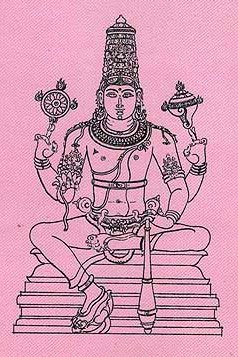
Pancaratra (पाञ्चरात्र, pāñcarātra) represents a tradition of Hinduism where Narayana is revered and worshipped. Closeley related to Vaishnavism, the Pancaratra literature includes various Agamas and tantras incorporating many Vaishnava philosophies.
Languages of India and abroad
Marathi-English dictionary
cāndramāsa (चांद्रमास).—a Lunar.
Marathi is an Indo-European language having over 70 million native speakers people in (predominantly) Maharashtra India. Marathi, like many other Indo-Aryan languages, evolved from early forms of Prakrit, which itself is a subset of Sanskrit, one of the most ancient languages of the world.
Sanskrit dictionary
Cāndramasa (चान्द्रमस).—a. (-sī f.) [चन्द्रमस इदम् अण् (candramasa idam aṇ)] Relating to the moon, lunar; लब्धोदया चान्द्रमसीव लेखा (labdhodayā cāndramasīva lekhā) Kumārasambhava 1.25; चन्द्रं गता पद्मगुणान्न भुङ्क्ते पद्माश्रिता चान्द्रमसीमभिख्याम् (candraṃ gatā padmaguṇānna bhuṅkte padmāśritā cāndramasīmabhikhyām) 1.43; R.2.39; Bhagavadgītā (Bombay) 8.25.
-saḥ The lunar year; विचाली हि संवत्सरशब्दः सावनोऽपि गणितदिवसकः (vicālī hi saṃvatsaraśabdaḥ sāvano'pi gaṇitadivasakaḥ) ... चान्द्रमसोऽपि (cāndramaso'pi) ŚB. on MS.6.7.39.
-sī Name of the wife of Bṛhaspati.
-sam 1 The constellation मृगशिरस् (mṛgaśiras).
2) The stars in Orion.
--- OR ---
Cāndramāsa (चान्द्रमास).—a lunar month.
Derivable forms: cāndramāsaḥ (चान्द्रमासः).
Cāndramāsa is a Sanskrit compound consisting of the terms cāndra and māsa (मास).
Cāndramasa (चान्द्रमस).—mfn.
(-saḥ-sī-saṃ) Lunar, relating or belonging to the moon, &c. n.
(-saṃ) The constellation Mrigasira: stars in Orion. E. candramas the moon, and aṇ affix; the moon being its ruling deity.
--- OR ---
Cāndramāsa (चान्द्रमास).—m.
(-saḥ) A lunar month, from new moon to new moon, when it is called Mukhya, and from full moon to full moon it is termed Gouna. E. cāndra lunar, māsa month.
Cāndramasa (चान्द्रमस).—i. e. candramas + a, adj., f. sī, Lunar, belonging to the moon, [Bhagavadgītā, (ed. Schlegel.)] 8, 25.
Candramāsa (चन्द्रमास).—[masculine] a lunar month.
1) Candramasa (चन्द्रमस):—[=candra-masa] [from candra > cand] See ava-
2) Candramasā (चन्द्रमसा):—[=candra-masā] [from candra-masa > candra > cand] f. Name of a river, [Bhāgavata-purāṇa (B) iv, 28, 35] (cf. -vaśā.)
3) Candramāsa (चन्द्रमास):—[=candra-māsa] [from candra > cand] m. a lunar month, [Jyotiṣa] (Yv) 31 [Scholiast or Commentator]
4) Cāndramāsa (चान्द्रमास):—[=cāndra-māsa] [from cāndra] m. a lunar month.
5) Cāndramasa (चान्द्रमस):—[from cāndra] mf(ī)n. ([from] candra-mas) lunar, relating to the moon, [Atharva-veda xix, 9, 10; Śatapatha-brāhmaṇa xi, 1, 5, 3; Āśvalāyana-śrauta-sūtra] etc.
6) [v.s. ...] m. [plural] Name of a family, [Pravara texts i, 1] (si, [Matsya-purāṇa])
7) [v.s. ...] n. the constellation Mṛga-śiras, [cf. Lexicographers, esp. such as amarasiṃha, halāyudha, hemacandra, etc.]
1) Cāndramasa (चान्द्रमस):—(saṃ) 1. n. The constellation Orion. a. (saḥ-sī-saṃ) Lunar.
2) Cāndramāsa (चान्द्रमास):—[cāndra-māsa] (saḥ) 1. m. A lunar month.
Cāndramasa (चान्द्रमस):—(von candramas)
1) adj. f. ī lunaris: grahāḥ [Atharvavedasaṃhitā 19, 9, 10.] śaśa [The Śatapathabrāhmaṇa 11, 1, 5, 3.] iṣṭi [Aśvalāyana’s Śrautasūtrāni 9, 8.] [Śāṅkhāyana’s Śrautasūtrāṇi 14, 32, 8.] saṃvatsara [LĀṬY. 4, 8, 6.] loka [Praśnopaniṣad 1, 9.] [Bhāgavatapurāṇa 3, 32, 3.] jyotis [Bhagavadgītā 8, 25.] vapus [Mahābhārata 12, 9083.] vṛtti [7434.] lekhā [Kumārasaṃbhava 1, 25.] abhikhyā [44.] sudhā [Raghuvaṃśa 2, 39.] —
2) f. ī Nomen proprium der Gemahlin Bṛhaspati’s [Mahābhārata 3, 14130.] —
3) n. Beiname des 5ten Mondhauses (mṛgaśiras) [Hemacandra’s Abhidhānacintāmaṇi 109.]
--- OR ---
Cāndramāsa (चान्द्रमास):—s. u. cāndra .
--- OR ---
Candramāsa (चन्द्रमास):—m. Mondmonat [WEBER, Jyotiṣa 92.]
--- OR ---
Cāndramasa (चान्द्रमस):—
4) m. Nomen proprium eines Mannes; pl. [SAṂSK. K. 184,a,3.]
Candramasa (चन्द्रमस):——
1) in ava. —
2) f. ā Nomen proprium eines Flusses [Bhāgavatapurāṇa .ed.Bomb.4,28,35.] Vgl. candravaśā.
--- OR ---
Candramāsa (चन्द्रमास):—m. Mondmonat.
--- OR ---
Cāndramasa (चान्द्रमस):——
1) Adj. (f. ī) dass. —
2) m. Nomen proprium eines Mannes. Pl. sein Geschlecht. —
3) f. ī Nomen proprium der Gattin Bṛhaspati's. —
4) *n. das Mondhaus Mṛgaśiras.
Sanskrit, also spelled संस्कृतम् (saṃskṛtam), is an ancient language of India commonly seen as the grandmother of the Indo-European language family (even English!). Closely allied with Prakrit and Pali, Sanskrit is more exhaustive in both grammar and terms and has the most extensive collection of literature in the world, greatly surpassing its sister-languages Greek and Latin.
Kannada-English dictionary
Cāṃdramasa (ಚಾಂದ್ರಮಸ):—[adjective] = ಚಾಂದ್ರ [camdra]1.
--- OR ---
Cāṃdramāsa (ಚಾಂದ್ರಮಾಸ):—[noun] the period of a complete revolution of the moon around the earth with respect to some object; the period marked by two successive lunar conjunctions with the sun, equal on the average to 29.53 days; a lunar month.
Kannada is a Dravidian language (as opposed to the Indo-European language family) mainly spoken in the southwestern region of India.
See also (Relevant definitions)
Partial matches (+0): Candra, Masha.
Starts with (+0): Candramasaloka, Candramasasama, Candramasasamhita, Candramasayana, Candramasayani.
Full-text (+5): Candramasayana, Suryacandramasa, Avacandramasa, Sauryacandramasa, Candramasasama, Candramasaloka, Candramas, Candravasa, Candramasasamhita, Kumudadyuti, Candramasi, Suryacandramas, Kshayamasa, Candra, Candrama, Atisandha, Pramiti, Parasiprakasha, Shartha, Kami.
Relevant text
Search found 44 books and stories containing Candramasa, Camdramasa, Cāṃdramasa, Cāṃdramāsa, Candra-masa, Cāndra-māsa, Candra-māsa, Candra-masā, Cāndramasa, Candramāsa, Cāndramāsa, Candramasā, Czandra-masa, Czāndra-māsa, Czandramasa, Czāndramāsa; (plurals include: Candramasas, Camdramasas, Cāṃdramasas, Cāṃdramāsas, masas, māsas, masās, Cāndramasas, Candramāsas, Cāndramāsas, Candramasās, Czandramasas, Czāndramāsas). You can also click to the full overview containing English textual excerpts. Below are direct links for the most relevant articles:
Dictionaries of Indian languages (Kosha)
Page 69 < [Hindi-Malayalam-English Volume 1]
Page 629 < [Hindi-Malayalam-English Volume 1]
Page 578 < [Hindi-Bengali-English Volume 2]
Satapatha-brahmana (by Julius Eggeling)
Kanda X, adhyaya 6, brahmana 2 < [Tenth Kanda]
Puranic encyclopaedia (by Vettam Mani)
Shiva Purana [sanskrit/english]
Kathasaritsagara [Sanskrit/English] (by C. H. Tawney)
Yavanajataka by Sphujidhvaja [Sanskrit/English] (by Michael D Neely)