Marutta, Māruta, Maruṭā, Maṟuttā, Maṟutā: 44 definitions
Introduction:
Marutta means something in Buddhism, Pali, Hinduism, Sanskrit, Jainism, Prakrit, Marathi, Hindi, biology, Tamil. If you want to know the exact meaning, history, etymology or English translation of this term then check out the descriptions on this page. Add your comment or reference to a book if you want to contribute to this summary article.
In Hinduism
Purana and Itihasa (epic history)
Marutta (मरुत्त):—Son of Avīkṣit (son of Karandhama). The great mystic Saṃvarta, the son of Aṅgirā, engaged Marutta in performing a yajña (sacrifice). He had a son named Dama. (see Bhāgavata Purāṇa 9.2)
1) Māruta (मारुत).—The fortynine Vāyus. (For details see under DITI).
2) Māruta (मारुत).—An ancient place of habitation of south Bhārata. Those who stood on the right side of the Krauñcāruṇa Vyūha (a battle array) constructed by Dhṛṣṭadyumna in the Kurukṣetra battle were the people of Māruta from south Bhārata. (Śloka 57, Chapter 50, Bhīṣma Parva).
1) Marutta (मरुत्त).—A wealthy king who lived in Kṛtayuga.
. Genealogy. Descended from Viṣṇu in the following order:—Brahmā, Marīci, Kaśyapa, Vivasvān, Vaivasvata Manu, Mahābāhu, Prasandhi, Kṣupa, Ikṣvāku, Viṃśa, Kalyāṇa, Khanīnetra, Suvarcas, Karandhama and Marutta. (See full article at Story of Marutta from the Puranic encyclopaedia by Vettam Mani)
2) Marutta (मरुत्त).—A great sage. He entered into a dispute with Śrī Kṛṣṇa, who was on his way to Hastināpura as the messenger of the Pāṇḍavas. (Mahābhārata Udyoga Parva, Chapter 83, Verse 27).
Māruta (मारुत) refers to the “wind”, according to the Śivapurāṇa 2.5.9 (“Śiva’s campaign”).—Accordingly, after Śiva mounted his divine chariot: “[...] But in another instant, unable to bear the weighty splendour of lord Śiva seated in the chariot, the lordly bull had to kneel down and crawl on the ground. But the lord touched the bridle and steadied the horses. Then Brahmā seated in the excellent chariot drove the excellent chariot with the velocity of mind and wind (māruta) [manomārutaraṃhasaḥ], at the bidding of the lord towards the three cities of the valiant Asuras. The cities were then in the sky. Lord Śiva was seated inside. [...]”.
1a) Maruta (मरुत).—A son of Karandhama; he had no son and regarded Duṣyanta of Puru's family as his son.*
- * Bhāgavata-purāṇa IX. 23. 17.
1b) Born of Marutvatī.*
- * Brahmāṇḍa-purāṇa I. 1. 112; 2. 41; Vāyu-purāṇa 10. 71; 66. 33.
1c) Mitrajyoti was his daughter.*
- * Brahmāṇḍa-purāṇa III. 68. 1, 4.
2a) Māruta (मारुत).—The Wind God,1 appointed father of Bhīma;2 with Agni appointed to destroy the Asuras; Soma escaped to the ocean; Indra ordered them to dry up the ocean and they refused to incure this sin; hence were cursed to be born on the earth; did so in one body as Agastya;3 the lord of gandhas or scents.4
- 1) Brahmāṇḍa-purāṇa II. 10. 43; Vāyu-purāṇa 101. 194; 106. 59.
- 2) Brahmāṇḍa-purāṇa III. 71. 154; Matsya-purāṇa 50. 49; Vāyu-purāṇa 96. 153.
- 3) Matsya-purāṇa 61. 3-19.
- 4) Vāyu-purāṇa 70. 11.
2b) A Pravara of the Bhārgavas.*
- * Matsya-purāṇa 195. 31; 196. 19.
1a) Marutta (मरुत्त).—The son of Avikṣit, a cakravarti and father of Dama; helped by Samvarta, he performed sacrifices; his yajñas were of a high order; Indra was much pleased with soma, and the Brahmanas with dakṣiṇā; Maruts were the guards and Viśvedevas were members of the sabhā;1 still is sung the glory of his sacrifice in which everything was of gold; father of Nariṣyanta.2
1b) A son of Karamdhama (Karamdana, vāyu-purāṇa.): issueless, adopted Duṣkanta of the Paurava line and thus Purvasu family got merged in the Paurava line. It was a result of Yayāti's curse.*
- * Brahmāṇḍa-purāṇa III. 74. 2-4; Vāyu-purāṇa 99. 2-4: Viṣṇu-purāṇa IV. 16. 3-6.
1c) A son of Uśanas, a great warrior and Rājaṛṣi; father of Kambalabarhis.*
- * Brahmāṇḍa-purāṇa III. 70. 25: Matsya-purāṇa 44. 24: Vāyu-purāṇa 95. 24.
Māruta (मारुत) is a name mentioned in the Mahābhārata (cf. I.60.37) and represents one of the many proper names used for people and places. Note: The Mahābhārata (mentioning Māruta) is a Sanskrit epic poem consisting of 100,000 ślokas (metrical verses) and is over 2000 years old.
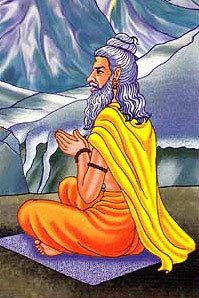
The Purana (पुराण, purāṇas) refers to Sanskrit literature preserving ancient India’s vast cultural history, including historical legends, religious ceremonies, various arts and sciences. The eighteen mahapuranas total over 400,000 shlokas (metrical couplets) and date to at least several centuries BCE.
Kavya (poetry)
Māruta (मारुत) refers to a “breeze”, according to the seventeenth story of the Vetālapañcaviṃśati in the Kathāsaritsāgara, chapter 91. Accordingly, as the Vetāla said to king Trivikramasena:—“... servants are bound to preserve their masters even by the sacrifice of their lives. But kings are inflated with arrogance, uncontrollable as elephants, and when bent on enjoyment they snap as under the chain of the moral law. [...] And the breeze of the waving chowries fans [viz., cāmara-māruta] away the atoms of the sense of scripture taught them by old men, as it fans away flies and mosquitoes. [...]”.
The Kathāsaritsāgara (‘ocean of streams of story’), mentioning cāmara-māruta, is a famous Sanskrit epic story revolving around prince Naravāhanadatta and his quest to become the emperor of the vidyādharas (celestial beings). The work is said to have been an adaptation of Guṇāḍhya’s Bṛhatkathā consisting of 100,000 verses, which in turn is part of a larger work containing 700,000 verses.
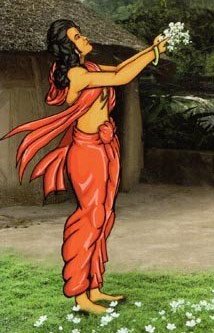
Kavya (काव्य, kavya) refers to Sanskrit poetry, a popular ancient Indian tradition of literature. There have been many Sanskrit poets over the ages, hailing from ancient India and beyond. This topic includes mahakavya, or ‘epic poetry’ and natya, or ‘dramatic poetry’.
Jyotisha (astronomy and astrology)
Māruta (मारुत) refers to “high winds”, according to the Bṛhatsaṃhitā (chapter 3), an encyclopedic Sanskrit work written by Varāhamihira mainly focusing on the science of ancient Indian astronomy astronomy (Jyotiṣa).—Accordingly, “The dark spots, also known as ketus, the sons of Rāhu are Tāmasa, Kīlaka and the like, and are 33 in number. How they affect the earth depends upon their color, position and shape. [...] When the spots appear on the solar disc the waters will get disturbed; the sky will be filled with dust; high winds [i.e., māruta] capable of breaking down the tops of mountains and of trees, will carry pebbles and sand along their course”.
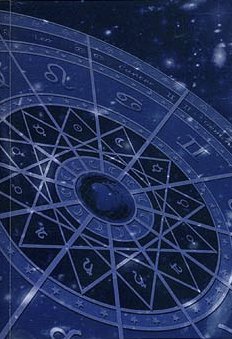
Jyotisha (ज्योतिष, jyotiṣa or jyotish) refers to ‘astronomy’ or “Vedic astrology” and represents the fifth of the six Vedangas (additional sciences to be studied along with the Vedas). Jyotisha concerns itself with the study and prediction of the movements of celestial bodies, in order to calculate the auspicious time for rituals and ceremonies.
Shaktism
Maruta (मरुत) is the name of the Siddha associated with Nāda, one the eight Sacred Seats (pīṭha), according to the Yogakhaṇḍa (chapter 14) of the Manthānabhairavatantra, a vast sprawling work that belongs to a corpus of Tantric texts concerned with the worship of the goddess Kubjikā.
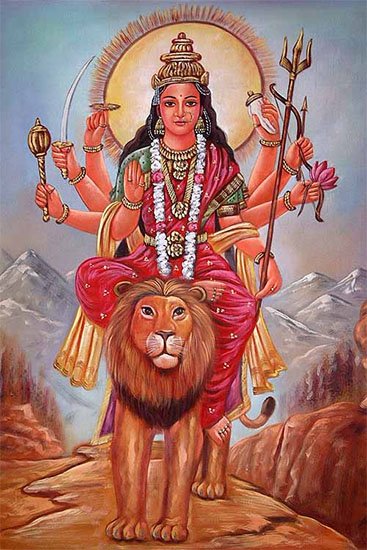
Shakta (शाक्त, śākta) or Shaktism (śāktism) represents a tradition of Hinduism where the Goddess (Devi) is revered and worshipped. Shakta literature includes a range of scriptures, including various Agamas and Tantras, although its roots may be traced back to the Vedas.
Yoga (school of philosophy)
Māruta (मारुत) refers to the “breath”, according to the Amanaska Yoga treatise dealing with meditation, absorption, yogic powers and liberation.—Accordingly, as Īśvara says to Vāmadeva: “[...] Mind and breath (māruta) always combine like water and milk, and [their] activity is similar. Therefore, as long as there is mind, there is activity of breath, and as long as there is breath, there is activity of mind. In that case, when one disappears, the other disappears and when one is active, the other is active. And when both are unimpaired, there is awareness of all the sense faculties. When both have perished, there is the attainment of the state of liberation”.
Yoga is originally considered a branch of Hindu philosophy (astika), but both ancient and modern Yoga combine the physical, mental and spiritual. Yoga teaches various physical techniques also known as āsanas (postures), used for various purposes (eg., meditation, contemplation, relaxation).
Shyanika-shastra (the science of Hawking and Hunting)
Māruta (मारुत) refers to the “breezes” (of the pine-trees forest of the Himalaya mountains), according to the Śyainika-śāstra: a Sanskrit treatise dealing with the divisions and benefits of Hunting and Hawking, written by Rājā Rudradeva (or Candradeva) in possibly the 13th century.—Accordingly, [while discussing the treatment of hawks]: “In summer, [...] when birds cry out piteously, then the season, like the forest fire, becomes intolerable to these birds [i.e., hawks], who are accustomed to the valleys of the Himalayas, on which fine slabs of stone lie scattered, cleanly washed by the waterfalls and overgrown with young shoots of emerald-green grass, and where the breezes (māruta) blow fragrant with the exudation of the pine-trees. Therefore cooling processes should be now resorted to”.
Shyanika-shastra (श्यैनिकशास्त्र, śyainikaśāstra) deals with ancient Indian skill of hawking/falconry (one of the ways of hunting) which were laid down in a systematic manner in various Sanskrit treatises. It also explains the philosophy behind how the pleasures derived from sense-experience could lead the way to liberation.
Natyashastra (theatrics and dramaturgy)
Māruta (मारुत) refers to the ten “breathing techniques” [=evaṃ daśavidhaḥ prokto mārutaḥ], as mentioned in the Saṅgītaratnākara of Śārṅgadeva (1953: Vol. IV: p.162) and the Mahārāṇa Kumbha’s Saṅgītarāja (Nṛtyaratnakośa: 1968: Vol. I: pp.94-95).
The ten varieties of breathing techniques (mārutas) according to these schools are:
- sama,
- bhrānta,
- vilīna,
- āndolita,
- kampita,
- stambhita,
- ucchvāsa,
- niḥśvāsa,
- sūtkṛta and
- sītkṛta.
Note: The commentary of Siṃhabhūpāla (on the Saṅgītaratnākara) says that the ten-fold classification of breathing techniques are the opinion of Kohala. However, the Saṅgītaratnākara, Saṅgītarāja and Nṛtyādhyāya uniformly attribute the nine-fold classification of breathing (=Anila) techniques to Kohala and the ten-fold classification to another school (apara).
Natyashastra (नाट्यशास्त्र, nāṭyaśāstra) refers to both the ancient Indian tradition (shastra) of performing arts, (natya—theatrics, drama, dance, music), as well as the name of a Sanskrit work dealing with these subjects. It also teaches the rules for composing Dramatic plays (nataka), construction and performance of Theater, and Poetic works (kavya).
General definition (in Hinduism)
Marutta (मरुत्त): A king of the Ikshwaku dynasty whose sacrifice was performed by Samvarta in defiance of Indra and Brihaspati.
In Buddhism
Theravada (major branch of Buddhism)
A brahmin of Homagama. Once he gave food to a mangy dog, which later saved his life. See Ras.i.42f. for details.
Theravāda is a major branch of Buddhism having the the Pali canon (tipitaka) as their canonical literature, which includes the vinaya-pitaka (monastic rules), the sutta-pitaka (Buddhist sermons) and the abhidhamma-pitaka (philosophy and psychology).
Tibetan Buddhism (Vajrayana or tantric Buddhism)
Māruta (मारुत) refers to a group of deities summoned by the Yamāntaka-mantra and mentioned as attending the teachings in the 6th century Mañjuśrīmūlakalpa: one of the largest Kriyā Tantras devoted to Mañjuśrī (the Bodhisattva of wisdom) representing an encyclopedia of knowledge primarily concerned with ritualistic elements in Buddhism. The teachings in this text originate from Mañjuśrī and were taught to and by Buddha Śākyamuni in the presence of a large audience (including Māruta).
Tibetan Buddhism includes schools such as Nyingma, Kadampa, Kagyu and Gelug. Their primary canon of literature is divided in two broad categories: The Kangyur, which consists of Buddha’s words, and the Tengyur, which includes commentaries from various sources. Esotericism and tantra techniques (vajrayāna) are collected indepently.
In Jainism
General definition (in Jainism)
Marutta (मरुत्त) is the name of an ancient king from Rājapura, according to the Jain Ramayana and chapter 7.2 [Rāvaṇa’s expedition of conquest] of Hemacandra’s 11th century Triṣaṣṭiśalākāpuruṣacaritra: an ancient Sanskrit epic poem narrating the history and legends of sixty-three illustrious persons in Jainism.
Accordingly, as Muni Nārada said to Rāvaṇa: “King, in Rājapura there is a king, named Marutta. He is a heretic and makes sacrifices, influenced by wicked Brāhmans. I saw innocent animals, crying out, bound, being led by his Brāhmans like butchers for slaughter in a sacrifice. Then I, compassionate, descended from the sky and questioned Marutta who was surrounded by Brāhmans, ‘Look! What is taking place?’ [...]”.

Jainism is an Indian religion of Dharma whose doctrine revolves around harmlessness (ahimsa) towards every living being. The two major branches (Digambara and Svetambara) of Jainism stimulate self-control (or, shramana, ‘self-reliance’) and spiritual development through a path of peace for the soul to progess to the ultimate goal.
Biology (plants and animals)
Maruta in the Malayalam language is the name of a plant identified with Myrica esculenta Buch.-Ham. ex D. Don from the Myricaceae (Bayberry) family having the following synonyms: Myrica sapida. For the possible medicinal usage of maruta, you can check this page for potential sources and references, although be aware that any some or none of the side-effects may not be mentioned here, wether they be harmful or beneficial to health.

This sections includes definitions from the five kingdoms of living things: Animals, Plants, Fungi, Protists and Monera. It will include both the official binomial nomenclature (scientific names usually in Latin) as well as regional spellings and variants.
Languages of India and abroad
Pali-English dictionary
māruta : (m.) the wind.
Māruta, (for the usual māluta) the wind S. I, 127; Mhbv 8. (Page 530)
Pali is the language of the Tipiṭaka, which is the sacred canon of Theravāda Buddhism and contains much of the Buddha’s speech. Closeley related to Sanskrit, both languages are used interchangeably between religions.
Marathi-English dictionary
māruta (मारुत).—m S Air or wind.
māruta (मारुत).—m Air or wind.
Marathi is an Indo-European language having over 70 million native speakers people in (predominantly) Maharashtra India. Marathi, like many other Indo-Aryan languages, evolved from early forms of Prakrit, which itself is a subset of Sanskrit, one of the most ancient languages of the world.
Sanskrit dictionary
Maruṭā (मरुटा).—A woman with a high forehead.
See also (synonyms): maruṇḍā.
--- OR ---
Maruta (मरुत).—
1) Wind.
2) A god.
Derivable forms: marutaḥ (मरुतः).
--- OR ---
Māruta (मारुत).—a. (-tī f.) [मरुतः इदम् अण् (marutaḥ idam aṇ)]
1) Relating to or arising from the Maruts; व्रतमेतद्धि मारुतम् (vratametaddhi mārutam) Manusmṛti 9.36.
2) Relating to wind, aerial, windy.
-taḥ 1 Wind; स कीचकैर्मारुतपूर्णरन्ध्रैः (sa kīcakairmārutapūrṇarandhraiḥ) R.2.12,34;4.55; Manusmṛti 4.122.
2) The god of wind, the deity presiding over wind; मनोजवं मारुततुल्यवेगम् (manojavaṃ mārutatulyavegam) Rām-rakṣā.33.
3) Breathing.
4) Vital air, one of the three essential humours of the body; प्रविश्य सर्वभूतानि यथा चरति मारुतः (praviśya sarvabhūtāni yathā carati mārutaḥ) Manusmṛti 9.36.
5) The trunk of an elephant.
6) Ved. A son of the Maruts.
7) Name of Viṣṇu.
8) Of Rudra.
-tī 1 The north-west quarter.
2) The daughter of the Maruts or gods; उतथ्यस्य च भार्यायां ममतायां महातपाः । मारुत्यां जनयामास भरद्वाजं बृहस्पतिः (utathyasya ca bhāryāyāṃ mamatāyāṃ mahātapāḥ | mārutyāṃ janayāmāsa bharadvājaṃ bṛhaspatiḥ) || Bu. Ch.4.74; cf. Viṣṇu P.4 19.5.
-tam The lunar mansion called Svāti.
Marutta (मरुत्त).—Name of a king of the solar race, who is said to have performed a sacrifice in which the gods took the part of waiters &c.; cf. तदप्येष श्लोकोऽभिगीतो मरुतः परिवेष्टारो मरुत्तस्यावसन् गृहे । आविक्षितस्य कामप्रेर्विश्वेदेवाः सभासद इति (tadapyeṣa śloko'bhigīto marutaḥ pariveṣṭāro maruttasyāvasan gṛhe | āvikṣitasya kāmaprerviśvedevāḥ sabhāsada iti) ||
Derivable forms: maruttaḥ (मरुत्तः).
Maruta (मरुत).—(a-extension of prec.; not recorded in Pali), god: nara-maruta-sahasra ([compound]) Lalitavistara 95.5 (verse); marutāna (gen. pl.) Samādhirājasūtra 19.21 (verse).
--- OR ---
Māruta (मारुत).—a high number: Gaṇḍavyūha 106.12; compare māluta, in same list.
Maruṭā (मरुटा).—f.
(-ṭā) A woman with a high forehead. E. mṛ to perish, (of love for such a woman,) uṭac aff.
--- OR ---
Maruta (मरुत).—m.
(-taḥ) 1. Air, wind. 2. A deity. 3. A plant, commonly Ghantapatali. E. ac added to the preceding.
--- OR ---
Māruta (मारुत).—m.
(-taḥ) 1. Air, wind. 2. Vital air, one of the three humours of the body. 3. A demi-god, of whom there is a class consisting of forty-nine. 4. The trunk of an elephant. n.
(-taṃ) 1. Burntoffering on conception. 2. The constellation Svati. E. mṛ to die, (by excess of it,) uti aff., and the vowel made long; the demigods, called Marutas, are said to be the sons of Diti, formed of the divisions of the fœtus in utero, by the Bajra or thunderbolt of Indra, and to be named from that deity’s addressing the fœtus he thus divided by mārodīḥ weep not.
Marutta (मरुत्त).—m.
(-ttaḥ) 1. Wind, a gale. 2. The name of a king. E. marut, and tap added.
Maruta (मरुत).—[marut + a], m. Wind.
--- OR ---
Māruta (मारुत).—i. e. marut + a, I. adj. 1. Belonging to the Maruts,
Marutta (मरुत्त).—m. The name of a fabulous king, Mahābhārata 14, 226; Viṣṇu P. 352.
Marutta (मरुत्त).—[masculine] [Name] of [several] princes.
Māruta (मारुत).—relating to the Maruts or the wind.
— [masculine] wind, air, the god of wind (adj. —° [feminine] ā), [Epithet] of Viṣṇu & Rudra; [feminine] ā [Name] of a woman, [feminine] ī (sc. diś) the north-west.
--- OR ---
Māruta (मारुत).—, [feminine] relating to the Maruts or the wind.
— [masculine] wind, air, the god of wind (adj. —° [feminine] ā), [Epithet] of Viṣṇu & Rudra; [feminine] ā [Name] of a woman, [feminine] ī (sc. diś) the north-west.
1) Maruṭā (मरुटा):—f. a woman with a high forehead, [cf. Lexicographers, esp. such as amarasiṃha, halāyudha, hemacandra, etc.] (cf. maruṇḍā).
2) Maruta (मरुत):—[from marut] m. wind, [Śakuntalā]
3) [v.s. ...] a god, [cf. Lexicographers, esp. such as amarasiṃha, halāyudha, hemacandra, etc.]
4) [v.s. ...] Bignonia Suaveolens, [cf. Lexicographers, esp. such as amarasiṃha, halāyudha, hemacandra, etc.]
5) [v.s. ...] Name of various men, [Mahābhārata; Harivaṃśa; Viṣṇu-purāṇa]
6) [v.s. ...] ([probably]) the god of war, [Mānava-gṛhya-sūtra ii, 15, 6].
7) Māruta (मारुत):—mf(ī)n. or māruta ([from] marut) relating or belonging to the Maruts, proceeding from or consisting of the M°s [Ṛg-veda] etc. etc.
8) relating to or derived from the wind, windy, aerial, [Manu-smṛti; Harivaṃśa] etc.
9) m. Name of Viṣṇu, [Ṛg-veda]
10) of Rudra, [Varāha-mihira’s Bṛhat-saṃhitā]
11) a son of the Maruts (applied to Vāyu, Ūrdhva-nabhas, Dyutāna or Nitāna), [Vājasaneyi-saṃhitā; Taittirīya-saṃhitā; Brāhmaṇa; ???]
12) (= marut) wind, air, the god of wind, [Manu-smṛti; Mahābhārata] etc.
13) vital air, one of the 3 humours of the body, [Suśruta]
14) breath, [Śikṣā]
15) a chief of the Maruts [gana] parśv-ādi
16) Name of a Marut, [Yājñavalkya [Scholiast or Commentator]]
17) of Agni, [Gṛhyāsaṃgraha]
18) [plural] the Maruts (regarded as children of Diti), [Mahābhārata; Rāmāyaṇa]
19) Name of a people, [Mahābhārata] ([Bombay edition]; [Calcutta edition] maḍaka)
20) Mārutā (मारुता):—[from māruta] f. Name of a woman, [Vāsavadattā, [Introduction]]
21) Māruta (मारुत):—n. ([scilicet] ṛkska or nakṣatra) the constellation Svāti, [cf. Lexicographers, esp. such as amarasiṃha, halāyudha, hemacandra, etc.]
22) Name of a Sāman, [Ārṣeya-brāhmaṇa]
1) Marutta (मरुत्त):—[from marut] m. (= marud-datta [according to] to [Patañjali on Pāṇini 1-4, 58. 59], [vArttika] 4) Name of various kings, [Brāhmaṇa; Śāṅkhāyana-śrauta-sūtra] etc.
2) [v.s. ...] wind, a gale (?), [Horace H. Wilson]
1) Maruṭā (मरुटा):—(ṭā) 1. f. A woman with a fine high forehead.
2) Maruta (मरुत):—(taḥ) 1. m. Air; a deity; a plant.
3) Māruta (मारुत):—[mā-ruta] (ta) 1. m. Air, wind; a demigod. n. Offering on conception.
Marutta (मरुत्त):—(ttaḥ) 1. m. Wind; a king.
Maruṭā (मरुटा):—f. = maruṇḍā [Śabdaratnāvalī im Śabdakalpadruma]
--- OR ---
Maruta (मरुत):—m.
1) Wind [VYĀḌI] bei [Bharata] zu [Amarakoṣa 1, 1, 1, 58.] [Śabdakalpadruma] [VIKRAMĀDITYAKOŚA] bei [UJJVAL.] zu [Uṇādisūtra 1, 96.] dākṣiṇātya [KAVIRĀJA] ebend. mukha [Chezy’s Ausgabe des Śākuntala 63, 7] (wohl fehlerhaft für māruta) . —
2) ein Gott [VYĀḌI a. a. O.] —
3) Bignonia suaveolens Roxb. (ghaṇṭāpāṭali) [Śabdacandrikā im Śabdakalpadruma] —
4) Nomen proprium = marutta [Mahābhārata 5, 2946] (hier viell. pl. die Marut). ein Sohn Karaṃdhama’s [12, 8602.] Śineyu’s [Harivaṃśa 1975] (ed. Calc. marutta) . Śīghra’s [Viṣṇupurāṇa 387,] [Nalopākhyāna 28] (maru andere Autt.).
--- OR ---
Māruta (मारुत):—
1) adj. (f. ī) proparox.; in [Vājasaneyisaṃhitā], in den [BRĀHMAṆA] und später oxyt. [Pāṇini’s acht Bücher 5, 4, 36, Vārttika von Kātyāyana. 7.] gaṇa vimuktādi zu [Pāṇini’s acht Bücher 5, 2, 61.] den Marut gehörig, auf sie bezüglich u. s. w.: gaṇa [Ṛgveda 1, 14, 3. 5, 52, 13. 14.] viśaḥ [8, 12, 19.] śardhas [1, 37, 1. 5. 106, 1. 2, 11, 14.] [Vājasaneyisaṃhitā 18, 45.] [Taittirīyabrāhmaṇa 2, 7, 2, 2.] [The Śatapathabrāhmaṇa 2, 5, 1, 12. 2, 10.] paśu [3, 9, 1, 17. 11, 5, 2, 3.] sūkta [Śāṅkhāyana’s Śrautasūtrāṇi 11, 15, 10.] [Kauśika’s Sūtra zum Atuarvaveda 40.] ṛc [BṚHADD.] in [Weber’s Indische Studien 1, 107.] sthāna [Mārkāṇḍeyapurāṇa 49, 78.] zum Winde in Beziehung stehend, aus ihm hervorgegangen: prāṇātman [Harivaṃśa 2191.] praviśya sarvabhūtāni yathā carati mārutaḥ . tathā cāraiḥ praveṣṭavyaṃ vratametaddhi mārutam .. [Manu’s Gesetzbuch 9, 306.] [Spr. 1869.] —
2) m. a) Bez. Viṣṇu’s [Ṛgveda 1, 156, 4.] Rudra's [Varāhamihira’s Bṛhajjātaka S. 99, 5.] — b) ein Sohn der Marut [Vājasaneyisaṃhitā 5, 27] (Vāyu nach [Mahīdhara], marutputro dyutānanāmako devaḥ Comm. zu [Taittirīyasaṃhitā]). Ūrdhvanabhas [6, 16.] [Taittirīyasaṃhitā 6, 2, 10, 4. 3, 9, 6.] [Pañcaviṃśabrāhmaṇa 6, 4, 2. 17, 1, 7.] [Śāṅkhāyana’s Śrautasūtrāṇi 13, 12, 5.] Dyutāna [Weber’s Indische Studien 3, 459.] Nitāna [478.] — c) Wind (= marut) gaṇa prajñādi zu [Pāṇini’s acht Bücher 5, 4, 38.] [Amarakoṣa 1, 1, 1, 58. 3, 4, 1, 5.] [Hemacandra’s Abhidhānacintāmaṇi 1107.] [Halāyudha 1, 75.] [Kauśika’s Sūtra zum Atuarvaveda 141.] [Manu’s Gesetzbuch 9, 306.] [Rāmāyaṇa 1, 34, 18.] [Spr. 1869. 2189.] mārute vāti vā bhṛśam [Manu’s Gesetzbuch 4, 122. 11, 113.] [Yājñavalkya’s Gesetzbuch 1, 194. 197.] manomārutaraṃhas [Arjunasamāgama 4, 37.] [Mahābhārata 1, 5886.] [Suśruta 1, 130, 16.] [Spr. 2716.] [Raghuvaṃśa 2, 12. 34. 4, 55.] [Ṛtusaṃhāra 1, 19.] [KĀM. NĪTIS. 16, 32.] [Varāhamihira’s Bṛhajjātaka S. 59, 3. 86, 59. 89, 4.] der Gott des Windes [Manu’s Gesetzbuch 11, 121.] candrārkamārutāḥ [Mahābhārata 13, 308.] Hauch Śikṣā in [Weber’s Indische Studien 4, 106.] śvāsamārutaiḥ [Kathāsaritsāgara 46, 71.] puṣkara aus dem Rüssel eines Elephanten [Varāhamihira’s Bṛhajjātaka S. 67, 7.] Wind im Körper (medic.) [Suśruta 1, 152, 14. 2, 442, 2. 3.] roga [1, 161, 2.] kopana [193, 19.] [Varāhamihira’s Bṛhajjātaka 2, 9.] Am Ende eines adj. comp. f. āḥ niśā sukhaśītamārutā [Mahābhārata 5, 7246.] śiśirīkṛta [Harivaṃśa 6544.] mukta (giriguhā) [Rāmāyaṇa 4, 25, 14.] — d) pl. die Marut (Kinder der Diti) [Mahābhārata 12, 12417.] [Rāmāyaṇa 1, 47, 4.] sg. Name eines der Marut [Mitākṣarā 142, 13.] ein Fürst der Marut (Volk?) gaṇa parśvādi zu [Pāṇini’s acht Bücher 5, 3, 117.] — e) Name des Agni: agnistu māruto nāma garbhādhāne vidhīyate [Gṛhyasaṃgrahapariśiṣṭa 1, 2.] — f) pl. Nomen proprium eines Volkes [Mahābhārata 6, 2083] (nach der Lesart der ed. Bomb., maḍaka ed. Calc.). —
3) f. ā Nomen proprium eines Frauenzimmers [HALL] in der Einl. zu [VĀSAVAD. 21 (vgl. 55).] —
4) f. ī (sc. diś oder vidiś) Nordwest [Varāhamihira’s Bṛhajjātaka S. 53, 118. 95, 23.] —
5) n. a) (sc. ṛkṣa oder nakṣatra) das Sternbild Svāti [Weber’s Indische Studien 5, 297.] — b) Name eines Sāman [Weber’s Indische Studien.3,229,a.] [LĀṬY.7,1,1.] — Vgl. ati, ūrdhva, dīrgha, paścānmāruta, puro, su .
Marutta (मरुत्त):—(von marut) m. [Pāṇini’s acht Bücher 5, 2, 122, Vārttika von Kātyāyana. 11.] [Vopadeva’s Grammatik 7, 32. fg.] Nomen proprium verschiedener Fürsten: mit dem patr. Āvikṣita [Aitareyabrāhmaṇa 8, 21.] [The Śatapathabrāhmaṇa 13, 5, 4, 6.] [Śāṅkhāyana’s Śrautasūtrāṇi 16, 9, 14. 16.] [MAITRYUP. 1, 4.] [Mahābhārata 14, 61. fgg.] [Harivaṃśa 1831] (maruṃta die neuere Ausg.). [Viṣṇupurāṇa 352. fg.] [Bhāgavatapurāṇa 9, 2, 26. fgg.] [Mārkāṇḍeyapurāṇa 128, 36.] ein Sohn Karaṃdhama’s (ein anderer Karaṃdhama ist Vater des Avikṣit) [Harivaṃśa 1831.] [Viṣṇupurāṇa 442.] [Bhāgavatapurāṇa 9, 23, 17.] Śineyu’s [Harivaṃśa 1975. fg.] (maruta die neuere Ausg.). — [Mahābhārata.1,225.5,3842. 12,1798. 14,226. fgg.] [Mārkāṇḍeyapurāṇa 27,16.] [Oxforder Handschriften 13,a,21. fgg. 345,a,42] (fälschlich maruttama [Weber’s Verzeichniss 122]). — Nach [WILSON] auch Wind, Sturm.
--- OR ---
Marutta (मरुत्त):—[Rāmāyaṇa 7, 18, 2.]
--- OR ---
Marutta (मरुत्त):—soll = maruddatta sein [Patañjali] [?a. a. O.1,294,b.5,52,b.]
Maruṭā (मरुटा):—f. eine Frau mit hoher Stirn.
--- OR ---
Maruta (मरुत):—m. —
1) Wind. —
2) *ein Gott. —
3) *Bignonia suaveolens. —
4) Nomen proprium verschiedener Männer.
--- OR ---
Māruta (मारुत):—(älter) und māruta —
1) Adj. (f. ī) — a) den Marut gehörig , auf sie bezüglich u.s.w. — b) zum Winde in Beziehung stehend , aus ihm hervorgegangen. —
2) m. — a) Bez. — α) Viṣṇu's. — β) Rudra's. — b) Patron. von marut. — c) Wind , Luft , der Windgott. Am Ende eines adj. Comp. f. ā. — d) Wind im Körper (m , odic.). — e) Hauch. — f) Pl. die Marut. — g) *ein Fürst der Marut. — h) ein best. Agni. — i) Nomen proprium — α) eines Marut. — β) Pl. eines Volkes [Mahābhārata 6,50,51.] —
3) f. mārutā Nomen proprium eines Frauenzimmers. —
4) f. mārutī Nordwest. —
5) n. — a) das Mondhaus Svāti. — b) Name eines Sāman.
Marutta (मरुत्त):—m. Nomen proprium verschiedener Fürsten. Soll aus maruddhata entstanden sein [Patañjali zu Pāṇini 1,4,58.59,] [Vārttika 4.]
Marutā (मरुता) in the Sanskrit language is related to the Prakrit words: Maruā, Mārua.
Sanskrit, also spelled संस्कृतम् (saṃskṛtam), is an ancient language of India commonly seen as the grandmother of the Indo-European language family (even English!). Closely allied with Prakrit and Pali, Sanskrit is more exhaustive in both grammar and terms and has the most extensive collection of literature in the world, greatly surpassing its sister-languages Greek and Latin.
Hindi dictionary
1) Maruta (मरुत) [Also spelled marut]:—(nm) air; the airgod.
2) Māruta (मारुत) [Also spelled marut]:—(nm) the air-god; air, wind.
...
Kannada-English dictionary
Maruta (ಮರುತ):—
1) [noun] air in motion; wind.
2) [noun] Maruta, the Wind-God.
3) [noun] (pros.) a metrical foot consisting of two short syllablic instants followed by a long one (uu-); anapaestus.
--- OR ---
Māruta (ಮಾರುತ):—
1) [noun] relating to wind or air.
2) [noun] relating to Wind-God.
--- OR ---
Māruta (ಮಾರುತ):—
1) [noun] air in natural motion; wind.
2) [noun] the Wind-God.
3) [noun] any of a group of diseases of the connective tissue, of uncertain causes or supposed to be caused by morbid affection of windy humour of the body, including rheumatoid arthritis, gout, and rheumatic fever; a rheumatic disease.
4) [noun] air taken into the lungs and then let out; breath.
5) [noun] wind (or air) as one of the three humours of the body.
6) [noun] Viṣṇu.
7) [noun] Rudra (a form of Śiva).
8) [noun] the trunk of an elephant.
9) [noun] (pros.) a metrical foot consisting of three syllables of which first two are short and third being long (uu-).
Kannada is a Dravidian language (as opposed to the Indo-European language family) mainly spoken in the southwestern region of India.
Tamil dictionary
Maṟuttā (மறுத்தா) [maṟuttātal [maṟuttarutal]] [maṟu-tā] transitive verb < மறு- [maru-] +. To restore, recover, bring back; மீட்டல். மையற்ற படிவத்தான் மறுத்தர லொல் வதோ [mittal. maiyarra padivathan maruthara lol vatho] (கலித்தொகை [kalithogai] 15).
--- OR ---
Maṟutā (மறுதா) [maṟutātal [maṟutarutal]] [maṟu-tā] transitive verb < மறு- [maru-] +.
1. See மறுத்தா-. [marutha-.]
2. See மறு- [maru-],
1. மறுதரற்கரிய [maruthararkariya] (நற்றிணை [narrinai] 32).
Tamil is an ancient language of India from the Dravidian family spoken by roughly 250 million people mainly in southern India and Sri Lanka.
Nepali dictionary
Māruta (मारुत):—n. 1. wind; 2. the god of wind;
Nepali is the primary language of the Nepalese people counting almost 20 million native speakers. The country of Nepal is situated in the Himalaya mountain range to the north of India.
See also (Relevant definitions)
Partial matches (+0): Ruta, Luo, Maru, Ma, Da, Ta.
Starts with (+0): Marutaram, Maruthan, Marutta Pokkharani, Maruttaka, Maruttam, Maruttama, Maruttanaya, Maruttara, Maruttaragodu, Maruttarakodu, Maruttaramgini, Maruttaramgodu, Maruttaramgudu, Maruttaravu, Maruttarisu, Maruttaruni.
Full-text (+319): Marutashana, Marutatmaja, Dirghamaruta, Atimaruta, Puromaruta, Marutavrata, Sutimaruta, Marutasunu, Mamdamaruta, Candamaruta, Abhimarutam, Pitamaruta, Mukhamaruta, Urdhvamaruta, Jhanjhamaruta, Marutam, Pashcanmaruta, Srishtamaruta, Marutamaya, Marutayana.
Relevant text
Search found 189 books and stories containing Marutta, Māruta, Maruṭā, Mārutā, Ma-ruta, Mā-ruta, Marutā, Maṟuttā, Maṟu-tā, Maru-ta, Maṟutā, Maruta, Maruthaa, Maruda, Marudha, Marutas; (plurals include: Maruttas, Mārutas, Maruṭās, Mārutās, rutas, Marutās, Maṟuttās, tās, tas, Maṟutās, Marutas, Maruthaas, Marudas, Marudhas, Marutases). You can also click to the full overview containing English textual excerpts. Below are direct links for the most relevant articles:
Satapatha-brahmana (by Julius Eggeling)
Kanda IX, adhyaya 3, brahmana 1 < [Ninth Kanda]
Kanda IX, adhyaya 3, brahmana 2 < [Ninth Kanda]
Kanda XIII, adhyaya 5, brahmana 4 < [Thirteenth Kanda]
Harivamsha Purana (by Manmatha Nath Dutt)
Chapter 32 - An Account of Riceyu’s Family < [Book 1 - Harivamsa Parva]
Chapter 36 - Kraushthu’s Family < [Book 1 - Harivamsa Parva]
Chapter 117 - Vana—the Great Asura < [Book 2 - Vishnu Parva]
Rig Veda (translation and commentary) (by H. H. Wilson)
Manusmriti with the Commentary of Medhatithi (by Ganganatha Jha)
Verse 9.306-307 < [Section XL - Personal Behaviour of the King]
Verse 11.121 < [Section XII - Expiation for the Immoral Religious Student (avakīrṇa)]
Verse 4.122 < [Section XIII - Days unfit for Study]
Sahitya-kaumudi by Baladeva Vidyabhushana (by Gaurapada Dāsa)
Text 8.29 < [Chapter 8 - Literary Qualities]
Text 10.130 < [Chapter 10 - Ornaments of Meaning]
Text 7.97 < [Chapter 7 - Literary Faults]
Tirumantiram by Tirumular (English translation)
Verse 2850: Seek Lord Always < [Tantra Nine (onpatam tantiram) (verses 2649-3047)]
Verse 2685: That Light Engrosses the Light of the Five Elements < [Tantra Nine (onpatam tantiram) (verses 2649-3047)]
Verse 3045: He is Deathless < [Tantra Nine (onpatam tantiram) (verses 2649-3047)]