![Mahabharata [sanskrit] - book cover](/uploads/a/Mahabharata-Mohan-Ganguli.jpg)
Mahabharata [sanskrit]
699,462 words | ISBN-10: 812150094X | ISBN-13: 9788121500944
The Sanskrit edition of the Mahabharata, one of the largest epic poems ever written, consisting of 100,000 metrical verses. Consisting of 18 books, the Mahabharata details the history and legends concerning ancient India (Bharata), including a major battle campaign involving the Kauravas and the Pandavas, also known as the Kurukshetra War. This portion also contains the Bhagavad-Gita. Alternative titles: Mahābhārata (महाभारत).
Verse 3.292.21
धन्या द्रक्ष्यन्ति पुत्र त्वां पुनर्यौवनगे मुखे ।
हिमवद्वनसंभूतं सिंहं केसरिणं यथा ॥ २१ ॥
dhanyā drakṣyanti putra tvāṃ punaryauvanage mukhe |
himavadvanasaṃbhūtaṃ siṃhaṃ kesariṇaṃ yathā || 21 ||
Note! The following is not a translation of the above verse, but merely an arbitrary extract of the English text.
...May no one obstruct your way! And, O son, may all that come across you have their hearts divested of hostility towards you: And may that lord of waters, Varuna. protect you in water...
English translation by Kisari Mohan Ganguly (2013) Read online Buy now!
Glossary of Sanskrit terms
Note: This extracts Sanskrit terms and links to English definitions from the glossary, based on an experimental segmentation of verse (3.292.21). Some terms could be superfluous while some might not be mentioned. Click on the word to show English definitions.
Dhanya, Dhani, Drakshyat, Drakshyanti, Putra, Tva, Yushmad, Punar, Yauvana, Mukha, Himavat, Vanasa, Bhuta, Simha, Kesarin, Yatha,
Analysis of Sanskrit grammar
Note: this is an experimental feature and only shows the first possible analysis of the Sanskrit text (Mahabharata Verse 3.292.21). If the system was successful in segmenting the sentence, you will see of which words it is made up of, generally consisting of Nouns, Pronouns, Verbs, Participles and Indeclinables. Click on the link to show all possible derivations of the word.
- Line 1: “dhanyā drakṣyanti putra tvāṃ punaryauvanage mukhe ”
- dhanyā* -
-
dhanya (noun, masculine)[nominative plural], [vocative plural]dhanyā (noun, feminine)[nominative plural], [vocative plural], [accusative plural]dhanī (noun, feminine)[ablative single], [genitive single]
- drakṣyanti -
-
√dṛś -> drakṣyantī (participle, feminine)[adverb from √dṛś]√dṛś -> drakṣyat (participle, neuter)[nominative plural from √dṛś class 1 verb], [vocative plural from √dṛś class 1 verb], [accusative plural from √dṛś class 1 verb]√dṛś -> drakṣyantī (participle, feminine)[vocative single from √dṛś class 1 verb]√dṛś (verb class 1)[future active third plural]
- putra -
-
putra (noun, masculine)[compound], [vocative single]putra (noun, neuter)[compound], [vocative single]
- tvām -
-
tvā (noun, feminine)[accusative single]yuṣmad (pronoun, none)[accusative single]
- punar -
-
punar (indeclinable adverb)[indeclinable adverb]punar (indeclinable)[indeclinable]
- yauvana -
-
yauvana (noun, neuter)[compound], [vocative single]
- ge -
-
ga (noun, masculine)[locative single]ga (noun, neuter)[nominative dual], [vocative dual], [accusative dual], [locative single]gā (noun, feminine)[nominative dual], [vocative single], [vocative dual], [accusative dual]
- mukhe -
-
mukha (noun, masculine)[locative single]mukha (noun, neuter)[nominative dual], [vocative dual], [accusative dual], [locative single]
- Line 2: “himavadvanasaṃbhūtaṃ siṃhaṃ kesariṇaṃ yathā ”
- himavad -
-
himavat (noun, masculine)[compound]himavat (noun, neuter)[nominative single], [vocative single], [accusative single]
- vanasam -
-
vanasa (noun, masculine)[adverb], [accusative single]vanasa (noun, neuter)[adverb], [nominative single], [accusative single]vanasā (noun, feminine)[adverb]
- bhūtam -
-
bhūta (noun, masculine)[adverb], [accusative single]bhūta (noun, neuter)[adverb], [nominative single], [accusative single]bhūtā (noun, feminine)[adverb]√bhū (verb class 1)[injunctive active second dual]
- siṃham -
-
siṃha (noun, masculine)[adverb], [accusative single]siṃhā (noun, feminine)[adverb]
- kesariṇam -
-
kesarin (noun, masculine)[accusative single]
- yathā -
-
yathā (indeclinable adverb)[indeclinable adverb]yathā (indeclinable relative)[indeclinable relative]yathā (indeclinable)[indeclinable]
Other editions:
Also see the following editions of the Sanskrit text or (alternative) English translations of the Mahabharata Verse 3.292.21
The complete Mahabharata (12 Volumes)
by Kisari Mohan Ganguly (2013)
4900 pages; [Publisher: Munshiram Manoharlal Publishers Pvt. Ltd.] ISBN: 812150094X or 9788121500944;
Buy now!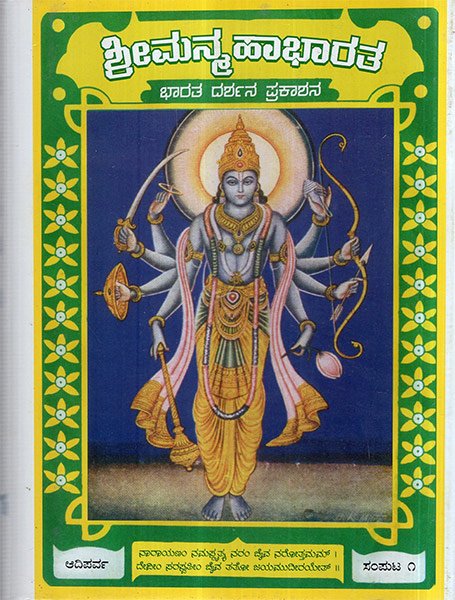
The Mahabharata in Kannada (Set of 32 Volumes)
by Bharatha Darshana Bangalore (2003)
ಶ್ರೇಮಹಭಾರತ [ಮಹಾಭಾರತ]; 13907 pages;
Buy now!Preview of verse 3.292.21 in Kannada sript:
ಧನ್ಯಾ ದ್ರಕ್ಷ್ಯನ್ತಿ ಪುತ್ರ ತ್ವಾಂ ಪುನರ್ಯೌವನಗೇ ಮುಖೇ ।
ಹಿಮವದ್ವನಸಂಭೂತಂ ಸಿಂಹಂ ಕೇಸರಿಣಂ ಯಥಾ ॥ ೨೧ ॥
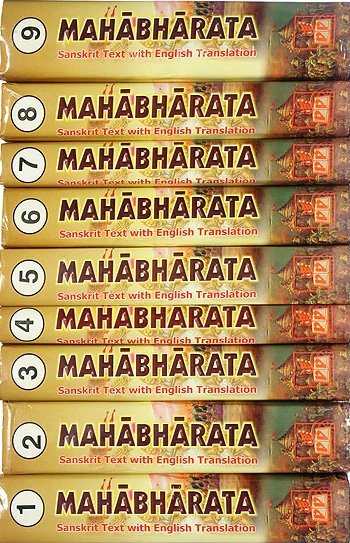
The Complete Mahabharata (9 volumes)
by M. N. Dutt (2008)
6415 pages; Sanskrit Text with English Translation; [Edited By: Dr. Ishwar Chandra Sharma & Dr. O.N. Bimali] [Publisher: Parimal Publication Pvt. Ltd.]
Buy now!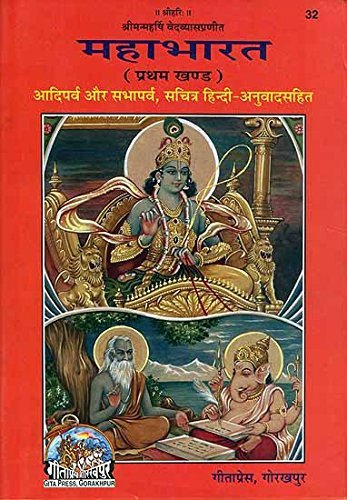
Mahabharata (Hindi Translation, Six Volumes)
by Sahityacharya Pandit Ramnarayandutt Shastri Pandey "Ram" (2017)
7350 pages; [महाभारत] [Publisher: Gita Press, Gorakhpur] 44 Color and Black/white illustrations.
Buy now!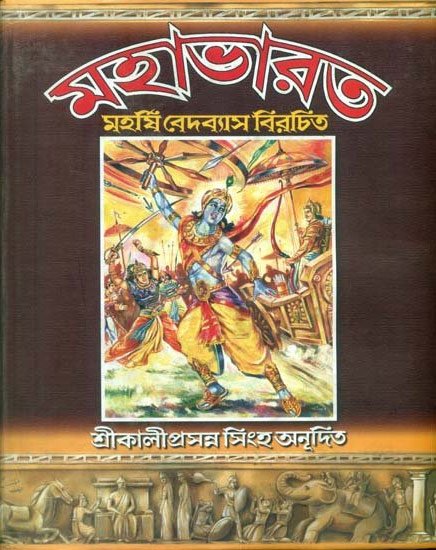
The Mahabharata in Bengali (Two Volumes)
by Akshay Library, Kolkata (2019)
3049 pages; [মহাভারত] [মহার্ষী বদভ্যাস (Maharishi Vedvyas)]
Buy now!Preview of verse 3.292.21 in Bengali sript:
ধন্যা দ্রক্ষ্যন্তি পুত্র ত্বাং পুনর্যৌবনগে মুখে ।
হিমবদ্বনসংভূতং সিংহং কেসরিণং যথা ॥ ২১ ॥
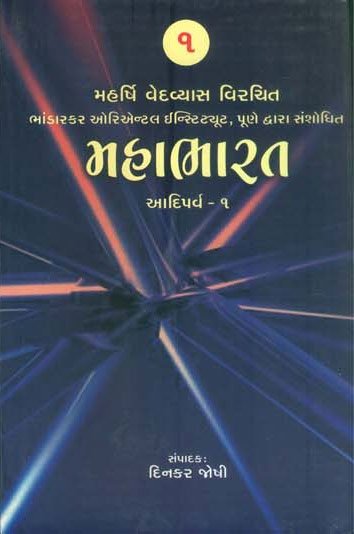
Mahabharat in Gujarati (20 Volumes)
by Dinkar Joshi (દિનકર જોશી) (2010)
14252 pages; [મહાભારત] [Publisher: Pravin Prakashan Pvt. Ltd, Rajkot]
Buy now!Preview of verse 3.292.21 in Gujarati sript:
ધન્યા દ્રક્ષ્યન્તિ પુત્ર ત્વાં પુનર્યૌવનગે મુખે ।
હિમવદ્વનસંભૂતં સિંહં કેસરિણં યથા ॥ ૨૧ ॥
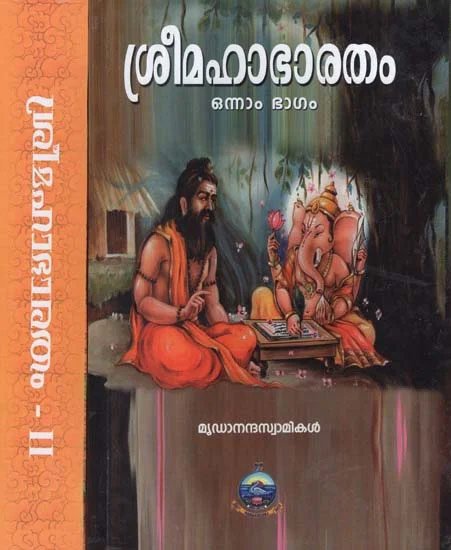
Shri Mahabharatam in Malayalam (2 volumes)
by Swami Mridananda (2018)
1681 pages; [Publisher: Ramakrishna Math, Thrissur]
Buy now!Preview of verse 3.292.21 in Malayalam sript:
ധന്യാ ദ്രക്ഷ്യന്തി പുത്ര ത്വാം പുനര്യൌവനഗേ മുഖേ ।
ഹിമവദ്വനസംഭൂതം സിംഹം കേസരിണം യഥാ ॥ ൨൧ ॥
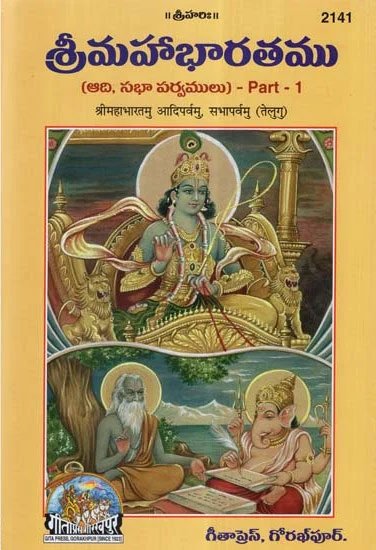
Mahabharata in Telugu (7 Volumes)
by Gita Press, Gorakhpur (2018)
7248pages
Buy now!Preview of verse 3.292.21 in Telugu sript:
ధన్యా ద్రక్ష్యన్తి పుత్ర త్వాం పునర్యౌవనగే ముఖే ।
హిమవద్వనసంభూతం సింహం కేసరిణం యథా ॥ ౨౧ ॥