Manava, Māṇava, Mānava: 34 definitions
Introduction:
Manava means something in Buddhism, Pali, Hinduism, Sanskrit, Jainism, Prakrit, Marathi, Hindi. If you want to know the exact meaning, history, etymology or English translation of this term then check out the descriptions on this page. Add your comment or reference to a book if you want to contribute to this summary article.
Alternative spellings of this word include Manav.
Images (photo gallery)
In Hinduism
Purana and Itihasa (epic history)
Mānava (मानव).—A scholar and an authority on Dharmaśāstra. He was the author of three books namely, Mānava Upapurāṇa, Mānavaśrautasūtra and Mānavavāstulakṣaṇa.
Mānava (मानव) refers to “human beings”, according to the Śivapurāṇa 2.5.28 (“The penance and marriage of Śaṅkhacūḍa”).—Accordingly, [As Tulasī said to Śaṅkhacūḍa]: “[...] I have now been overpowered by you who have Sāttvika thoughts. That man is blessed in the world who is not overwhelmed by a woman. Even though he may be the observer of sacred rites, if he is overpowered by a woman he becomes impure and unclean, so he remains for ever. The manes, gods and human beings (mānava) censure him. [...]”.
1) Manava (मनव).—Twelve sons of Brahmā with mantraśarīras.*
- * Vāyu-purāṇa 67. 6.
2a) Mānava (मानव).—A Pañcārṣeya.*
- * Matsya-purāṇa 196. 50.
2b) The 20th kalpa.*
- * Matsya-purāṇa 290. 8.
Mānava (मानव) is a name mentioned in the Mahābhārata (cf. I.52.15, I.57, I.59.7, I.65) and represents one of the many proper names used for people and places. Note: The Mahābhārata (mentioning Mānava) is a Sanskrit epic poem consisting of 100,000 ślokas (metrical verses) and is over 2000 years old.
Mānava (मानव) or Mānavapurāṇa refers to one of the eighteen Minor Puranas (i.e., Upapurāṇa) according to the Kūrmapurāṇa and other traditional lists of Puranic literature: a category of ancient Sanskrit texts which gives a huge contribution in the development of Indian literature.—The Upapurāṇas (e.g., mānava-purāṇa) can be considered as the supplements of the Mahāpurāṇas as those are mostly based on the Mahāpurāṇas. The Saurapurāṇa considers the Upapurāṇas as khilas i.e., supplements. [...] Though the numbers of Upapurāṇas are specified as eighteen, there are many important Upapurāṇas which are excluded from the lists of Upapurāṇas given by different sources.

The Purana (पुराण, purāṇas) refers to Sanskrit literature preserving ancient India’s vast cultural history, including historical legends, religious ceremonies, various arts and sciences. The eighteen mahapuranas total over 400,000 shlokas (metrical couplets) and date to at least several centuries BCE.
Vastushastra (architecture)
Mānava (मानव) refers to a variety of maṇḍapa (halls attached to the temple), according to the Matsya-purāṇa (verses 270.1-30). The mānava-maṇḍapa is to be built with 28 pillars (stambha). The Matsyapurāṇa is one of the eighteen major purāṇas dating from the 1st-millennium BCE.
Accordingly (verse 270.15-17), “These maṇḍapas (e.g., mānava) should be either made triangular, circular, octagonal or with 16 sides or they are square. They promote kingdoms, victory, longevity, sons, wife and nourishment respecitvely. Temples of other shape than these are inauspicious.”
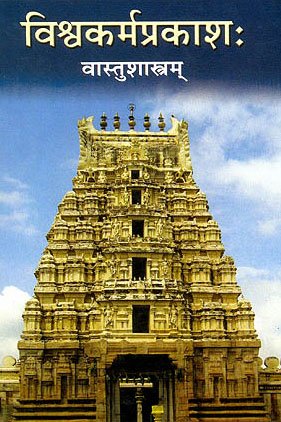
Vastushastra (वास्तुशास्त्र, vāstuśāstra) refers to the ancient Indian science (shastra) of architecture (vastu), dealing with topics such architecture, sculpture, town-building, fort building and various other constructions. Vastu also deals with the philosophy of the architectural relation with the cosmic universe.
Kavya (poetry)
Mānava (मानव) is the name of an important person (viz., an Ācārya or Kavi) mentioned in Rājaśekhara’s 10th-century Kāvyamīmāṃsā.—The followers Ācāryas of Manu known as the name of Mānava (Mānavāḥ).
Kavya (काव्य, kavya) refers to Sanskrit poetry, a popular ancient Indian tradition of literature. There have been many Sanskrit poets over the ages, hailing from ancient India and beyond. This topic includes mahakavya, or ‘epic poetry’ and natya, or ‘dramatic poetry’.
Pancaratra (worship of Nārāyaṇa)
Mānava (मानव) (Cf. Nara) refers to a “man”, according to the Ahirbudhnyasaṃhitā, belonging to the Pāñcarātra tradition which deals with theology, rituals, iconography, narrative mythology and others.—Accordingly, “A ruler who is a Universal Sovereign is entitled to the first, a Provincial Governor to the second and a District Governor to the third [level of] Creative Energy. [To the same are entitled] a chief minister or a twice-born, provided he is in charge of the protection of many people. No single man (nara—imāṃ naiko naraḥ) is entitled to [deploy] Her for [just] another man (mānava—ekasmai mānavāya tu)”.
Pancaratra (पाञ्चरात्र, pāñcarātra) represents a tradition of Hinduism where Narayana is revered and worshipped. Closeley related to Vaishnavism, the Pancaratra literature includes various Agamas and tantras incorporating many Vaishnava philosophies.
Shilpashastra (iconography)
Mānava (मानव) refers to a certain class of personalities which follows specific guidelines in the tradition of ancient Indian Painting (citra), according to the Viṣṇudharmottarapurāṇa, an ancient Sanskrit text which (being encyclopedic in nature) deals with a variety of cultural topics such as arts, architecture, music, grammar and astronomy.—In the Viṣṇudharmottarapurāṇa, the rules of Painting of different classes have been elaborately discussed. According to this work, Yakṣas should have the size of rucaka and the picture of Pradhāna and Mānava should be painted according to the size of śaśaka types of men. Thus the Viṣṇudharmottarapurāṇa establishes the fact that even in the pictures; the people belonging to different class and profession [e.g., Mānava] were projected with specific attire so that general people can equate the picture with the practical character.
Shilpashastra (शिल्पशास्त्र, śilpaśāstra) represents the ancient Indian science (shastra) of creative arts (shilpa) such as sculpture, iconography and painting. Closely related to Vastushastra (architecture), they often share the same literature.
In Buddhism
Theravada (major branch of Buddhism)
He belonged to a rich brahmin family of Savatthi. When on his way to the park one day, at the age of seven, he saw, for the first time, persons afflicted with old age, disease, and death. These filled him with horror, and he went to the monastery, heard the Buddha preach, and, with his parents consent, entered the Order. He was called Manava because he left the world so young.
In the time of Vipassi Buddha he was a physiognomist, and, having seen the child, declared that he would certainly become a Buddha, and worshipped him. In subsequent lives he became king many times under the names of Sammukhathavika, Pathavidundubhi, Obhasa, Sadinacchedana, Agginibbapaka, Vatamma, Gatipacchedana, Ratanapajjala, Padakkamana, Vilokana and Girisara (ThagA.vs.73; ThagA.i.162ff).
He is evidently identical with Sammukhathavika Thera of the Apadana. Ap.i.158f.
Theravāda is a major branch of Buddhism having the the Pali canon (tipitaka) as their canonical literature, which includes the vinaya-pitaka (monastic rules), the sutta-pitaka (Buddhist sermons) and the abhidhamma-pitaka (philosophy and psychology).
Mahayana (major branch of Buddhism)
Mānava (मानव) is the name of a Gandharva appointed as one of the Divine protector deities of Suvarṇagotra, according to chapter 17 of the Candragarbha: the 55th section of the Mahāsaṃnipāta-sūtra, a large compilation of Sūtras (texts) in Mahāyāna Buddhism partly available in Sanskrit, Tibetan and Chinese.—In the Candragarbhasūtra, the Bhagavat invites all classes of Gods and Deities to protect the Law [dharma?] and the faithful in their respective kingdoms of Jambudvīpa [e.g., the Gandharva Mānava in Suvarṇagotra], resembling the time of the past Buddhas.
Mānava (मानव) refers to “man”, according to the Gaganagañjaparipṛcchā: the eighth chapter of the Mahāsaṃnipāta (a collection of Mahāyāna Buddhist Sūtras).—Accordingly, “[...] That on which there is dependence, that is nothing in particular; [...] in the dependent origination, there is no self, being (satva), life-principle (jīva), life-sustaining principle (poṣa), spirit (puruṣa), personality (pudgala), human being (manuja), or man (mānava); in the dependent origination there is no attainment; in the dependent origination there is nothing, and it is effortless, empty, no distinguishing mark, transcendent, no activity, no discursive thinking, and beyond discursive thinking. Thus origination is just the arising of the dharma, and cessation is also the ceasing of the dharma. [...]”.
Mahayana (महायान, mahāyāna) is a major branch of Buddhism focusing on the path of a Bodhisattva (spiritual aspirants/ enlightened beings). Extant literature is vast and primarely composed in the Sanskrit language. There are many sūtras of which some of the earliest are the various Prajñāpāramitā sūtras.
In Jainism
General definition (in Jainism)
1) Mānava (मानव) refers to one of the sixteen classes of Vidyādharas derived from their respective Vidyās (in this case, from Mānavī-vidyā), according to chapter 1.3 [ādīśvara-caritra] of Hemacandra’s 11th century Triṣaṣṭiśalākāpuruṣacaritra: an ancient Sanskrit epic poem narrating the history and legends of sixty-three illustrious persons in Jainism.
Accordingly,
“[...] After making [the two rows of Vidyādhara-cities], many villages and suburbs, they established communities [viz., the Mānavas] according to the suitability of place. [...] Dharaṇendra instructed them about the law as follows: ‘If any insolent persons show disrespect or do injury to the Jinas, or the Jinas’ shrines, or to those who will attain mokṣa in this birth, or to any ascetics engaged in pratimā, the Vidyās [viz., Mānavīs] will abandon them at once, just as wealth abandons lazy people. Whoever kills a man with his wife, or enjoys women against their will, the Vidyās will abandon him at once’.”
2) Māṇava (माणव) refers to one of the nine treasures mentioned in chapter 1.4 [ādīśvara-caritra] of Hemacandra’s 11th century Triṣaṣṭiśalākāpuruṣacaritra: an ancient Sanskrit epic poem narrating the history and legends of sixty-three illustrious persons in Jainism.
Accordingly:
“The King [Bharata] made a four days’ fast, directed toward the treasures, a guide on the path of acquisition of powers earned by former penance. At the end of the four days’ fast, the nine famous treasures approached him, each always attended by one thousand Yakṣas, Naisarpa, Pāṇḍuka, Piṅgala, Sarvaratnaka, Mahāpadma, Kāla, Mahākāla, Māṇava, Śaṅkhaka. They were mounted on eight wheels, eight yojanas high, nine yojanas broad, twelve yojanas long, their faces concealed by doors of cat’s-eye, smooth, golden, filled with jewels, marked with the cakra, sun, and moon. [...]
As their guardians, Nāgakumāra-gods with names the same as theirs, with life-periods of a palyopama, inhabited them. [...] Abundance of soldiers, weapons, and armor, also the whole science of fighting and administration of justice are from Māṇava”.

Jainism is an Indian religion of Dharma whose doctrine revolves around harmlessness (ahimsa) towards every living being. The two major branches (Digambara and Svetambara) of Jainism stimulate self-control (or, shramana, ‘self-reliance’) and spiritual development through a path of peace for the soul to progess to the ultimate goal.
Languages of India and abroad
Pali-English dictionary
māṇava : (m.) a young man.
Mānava, see Māṇava. (Page 529)
— or —
Māṇava, (cp. Sk. māṇava) a youth, young man, esp. a young Brahmin Sn. 1022, 1027, 1028; J. IV, 391 (brāhmaṇa°); DA. I, 36=satto pi coro pi taruṇo pi; DhA. I, 89. pl. māṇavā men Th. 2, 112.—The spelling mānava occurs at Sn. 456, 589, & Pv. I, 87 (=men Th. II, 112; kumāra PvA. 41). (Page 527)
1) mānava (မာနဝ) [(pu) (ပု)]—
[mānu+ṇa.ṇava.,4.8.rū,nhā.221.māna+vā+kvi.]ahamasmīti mānuppattiṭṭhānatāya māno ettha vāti pavatthatīti mānavo.visuddhi,ṭī,2.457.]
[မာနု+ဏ။ ဏဝ။ မောဂ်၊၄။၈။ ရူ၊နှာ။၂၂၁။ မာန+ဝါ+ကွိ။ 'အဟမသ္မီတိ မာနုပ္ပတ္တိဋ္ဌာနတာယ မာနော ဧတ္ထ ဝါတိ ပဝတ္ထတီတိ မာနဝေါ။ ဝိသုဒ္ဓိ၊ဋီ၊၂။၄၅၇။]
2) mānava (မာနဝ) [(pu) (ပု)]—
[manu+ṇa.,4.8.manu+ṇava.rū,nhā.221.dantajana- rhiso mānavasaddā sattavāhūso a hoeiea.muddhajaṇa- rhiso māṇavasaddā so ç tveveso hūso a hoeieahu nīti,dhā.264-5-nitea kecivādaa praeiea.vedagantha sū lūsūeiea mānava na yuea vedagantha ma risū lū lūeiea māṇava muddhajaṇa rahu sakkata kāsikāvuttiç jinindabuddhinyāsaa sapre pa,sya,2.348-nitea pra.rū,nhā.221-nitea dantaja na mānava saddāsārhi..,pañcīkā,4.8-nitea mānavaç māṇavasaddā raeiea.]
[မနု+ဏ။ မောဂ်၊၄။၈။ မနု+ဏဝ။ ရူ၊နှာ။၂၂၁။ ဒန္တဇန-နှင့် ရှိသော မာနဝသဒ္ဒါသည် သတ္တဝါဟူသော အနက်ကို ဟော၏။ မုဒ္ဓဇဏ-နှင့် ရှိသော မာဏဝသဒ္ဒါသည် စက်ဆုပ်ဖွယ်ကောင်းသော သား,မိုက်မဲတွေဝေသော သားဟူသော အနက်ကို ဟော၏ဟု နီတိ၊ဓာ။၂၆၄-၅-၌ ကေစိဝါဒအဖြစ်ဖြင့် ပြဆို၏။ ဝေဒဂန္ထကို သင်ကြားတတ်မြောက်သူ လူကောင်းသူကောင်း၏သား မာနဝကို နငယ်နှင့် ရေး၍ ဝေဒဂန္ထကို မသင်ကြားဘဲ မိုက်မဲပျင်းရိသူ လူဖျင်း လူညံ့၏ သား မာဏဝကို မုဒ္ဓဇဏကြီးနှင့် ရေးရမည်ဟု သက္ကတ ကာသိကာဝုတ္တိ,ဇိနိန္ဒဗုဒ္ဓိနျာသတို့အဆိုကို သပြေကန် ပစ္စည်း၊သျ၊၂။၃၄၈-သုတ်၌ ပြဆိုထားသည်။ ရူ၊နှာ။၂၂၁-၌ ဒန္တဇ နငယ်နှင့် မာနဝ သဒ္ဒါသာရှိသည်။ မောဂ်။ မောဂ်၊ ပဉ္စီကာ၊၄။၈-၌ မာနဝ,မာဏဝသဒ္ဒါ နှစ်မျိုးလုံး တွေ့ရ၏။]
3) māṇava (မာဏဝ) [(pu) (ပု)]—
[manu+ṇa.,4.8.manu+ṇava.rū,nhā.221.dantajana- rhiso mānavasaddā sattavāhūso a hoeiea.muddhajaṇa- rhiso māṇavasaddā so ç tveveso hūso a hoeieahu nīti,dhā.264-5-nitea kecivādaa praeiea.vedagantha sū lūsūeiea mānava na yuea vedagantha ma risū lū lūeiea māṇava muddhajaṇa rahu sakkata kāsikāvuttiç jinindabuddhinyāsaa sapre pa,sya,2.348-nitea pra.rū,nhā.221-nitea dantaja na mānava saddāsārhi..,pañcīkā,4.8-nitea mānavaç māṇavasaddā raeiea.]
[မနု+ဏ။ မောဂ်၊၄။၈။ မနု+ဏဝ။ ရူ၊နှာ။၂၂၁။ ဒန္တဇန-နှင့် ရှိသော မာနဝသဒ္ဒါသည် သတ္တဝါဟူသော အနက်ကို ဟော၏။ မုဒ္ဓဇဏ-နှင့် ရှိသော မာဏဝသဒ္ဒါသည် စက်ဆုပ်ဖွယ်ကောင်းသော သား,မိုက်မဲတွေဝေသော သားဟူသော အနက်ကို ဟော၏ဟု နီတိ၊ဓာ။၂၆၄-၅-၌ ကေစိဝါဒအဖြစ်ဖြင့် ပြဆို၏။ ဝေဒဂန္ထကို သင်ကြားတတ်မြောက်သူ လူကောင်းသူကောင်း၏သား မာနဝကို နငယ်နှင့် ရေး၍ ဝေဒဂန္ထကို မသင်ကြားဘဲ မိုက်မဲပျင်းရိသူ လူဖျင်း လူညံ့၏ သား မာဏဝကို မုဒ္ဓဇဏကြီးနှင့် ရေးရမည်ဟု သက္ကတ ကာသိကာဝုတ္တိ,ဇိနိန္ဒဗုဒ္ဓိနျာသတို့အဆိုကို သပြေကန် ပစ္စည်း၊သျ၊၂။၃၄၈-သုတ်၌ ပြဆိုထားသည်။ ရူ၊နှာ။၂၂၁-၌ ဒန္တဇ နငယ်နှင့် မာနဝ သဒ္ဒါသာရှိသည်။ မောဂ်။ မောဂ်၊ ပဉ္စီကာ၊၄။၈-၌ မာနဝ,မာဏဝသဒ္ဒါ နှစ်မျိုးလုံး တွေ့ရ၏။]
[Pali to Burmese]
1) mānava—
(Burmese text): (၁) (က) သတ္တဝါ။ (ခ) ပုဂ္ဂိုလ်။ (ဂ) လူ။ (ဃ) ယောက်ျား။ (၂) ခိုးသူ။ (၃) လူငယ်၊ လုလင်ပျို၊ လူပျို။ (၄) မာဏဝမည်သူ။ မာဏဝတ္ထေရ-လည်းကြည့်။
(Auto-Translation): (1) (a) Animal. (b) Individual. (c) Person. (d) Man. (2) Thief. (3) Youth, young woman, young man. (4) Righteous person. Also look at righteousness.
2) mānava—
(Burmese text): (၁) သတ္တဝါ။ မာဏဝ (၁) (က) ကြည့်၊ (၂) ခိုးသူ၊ မာဏဝ (၂) ကြည့်။
(Auto-Translation): (1) Animal. Maneuver (1) (a) Look, (2) Thief, maneuver (2) Look.
3) māṇava—
(Burmese text): (၁) (က) သတ္တဝါ။ (ခ) ပုဂ္ဂိုလ်။ (ဂ) လူ။ (ဃ) ယောက်ျား။ (၂) ခိုးသူ။ (၃) လူငယ်၊ လုလင်ပျို၊ လူပျို။ (၄) မာဏဝမည်သူ။ မာဏဝတ္ထေရ-လည်းကြည့်။
(Auto-Translation): (1) (a) Animal. (b) Individual. (c) Human. (d) Man. (2) Thief. (3) Young person, young lady, young man. (4) Those who are wise. Also look at the traits of a wise person.

Pali is the language of the Tipiṭaka, which is the sacred canon of Theravāda Buddhism and contains much of the Buddha’s speech. Closeley related to Sanskrit, both languages are used interchangeably between religions.
Marathi-English dictionary
mānava (मानव).—m S Man or mankind. 2 A man.
mānava (मानव).—m Mankind. A man.
Marathi is an Indo-European language having over 70 million native speakers people in (predominantly) Maharashtra India. Marathi, like many other Indo-Aryan languages, evolved from early forms of Prakrit, which itself is a subset of Sanskrit, one of the most ancient languages of the world.
Sanskrit dictionary
Māṇava (माणव).—[manorapatyam aṇ alpārthe ṇatvam]
1) A lad, boy, youth, youngster.
2) A little man, manikin (used contemptuously).
3) A pearl-necklace of sixteen (or twenty) strings.
4) A young Brāhmaṇa.
5) Name of one of the 9 treasures.
Derivable forms: māṇavaḥ (माणवः).
--- OR ---
Mānava (मानव).—a. (-vī f.) [मनोरपत्यम् अण् (manorapatyam aṇ)]
1) Relating to or descended from Manu; मानवस्य राजर्षिवंशस्य प्रसवितारं सवितारम् (mānavasya rājarṣivaṃśasya prasavitāraṃ savitāram) Uttararāmacarita 3; Manusmṛti 12.17.
2) Human.
-vaḥ 1 A man, human being; मनोर्वंशो मानवानां ततोऽयं प्रथितोऽभवत् । ब्रह्मक्षत्रा- दयस्तस्मान्मनोर्जातास्तु मानवाः (manorvaṃśo mānavānāṃ tato'yaṃ prathito'bhavat | brahmakṣatrā- dayastasmānmanorjātāstu mānavāḥ) Mb.; Manusmṛti 2.9;5.35.
2) A lad, boy.
3) Mankind (pl.).
4) The subjects of a king (pl.)
-vāḥ (m. pl.) Name of a school on Artha- śāstra; तेषामानुपूर्व्या यावानर्थोपघातस्तावानेकोत्तरो दण्डः इति मानवाः (teṣāmānupūrvyā yāvānarthopaghātastāvānekottaro daṇḍaḥ iti mānavāḥ) Kau. A.2.7.25.
-vī 1 A woman.
2) Name of the daughter of स्वयंभू मनु (svayaṃbhū manu); यथा ससर्ज भूतानि लब्ध्वा भार्यां च मानवीम् (yathā sasarja bhūtāni labdhvā bhāryāṃ ca mānavīm) Bhāgavata 3.21.5.
3) Name of a Jain शासनदेवता (śāsanadevatā).
-vam 1 A particular fine, penance.
2) A man's length (as a measure).
Māṇava (माणव).—(also mānava, Mūla-Sarvāstivāda-Vinaya i.261.20), usually (as in Sanskrit and Pali) youth, especially brahman youth; more commonly (again as in Sanskrit and Pali) °vaka. Once °va is used of an adult brahman, a king's purohita, and contrasted with his pupils, called °vaka: Divyāvadāna 60.23 rājño Brahmāyur nāma brāhmaṇaḥ purohito bhaviṣyati…(25) Brahmāyur māṇavo 'śītimāṇavakaśatāni brāhmaṇakān mantrān vāca- yiṣyati. This seems to be highly exceptional.
--- OR ---
Mānava (मानव).—name of a yakṣa: May 2. (Also written for māṇava, q.v.)
Māṇava (माणव).—m.
(-vaḥ) 1. A child. 2. A man, (in a contemptuous sense,) a manikin. 3. A pearl-necklace of sixteen or twenty strings. E. manu a man, and aṇ aff.
--- OR ---
Mānava (मानव).—m.
(-vaḥ) 1. A man, man. 2. A boy. f. (-vī) 1. A woman. 2. A goddess peculiar to the Jainas. 3. A daughter of the first Manu. n.
(-vaṃ) A particular fine. E. manu the progenitor of mankind, and aṇ patronymic aff.: see māṇava and māṇavaka .
Māṇava (माणव).— (= mānava. q. cf.), m. 1. A child. 2. A man, in a contemptuous sense. 3. A necklace of sixteen strings.
--- OR ---
Mānava (मानव).—i. e. manu + a, I. adj. 1. Human, [Uttara Rāmacarita, 2. ed. Calc., 1862.] 53, 1. 2. Declared by Manu,
Māṇava (माणव).—[masculine] boy, lad, youngster, [especially] a young Brahman.
--- OR ---
Mānava (मानव).—[feminine] ī descended from or relating to Manu, human.
— [masculine] human being, man; [plural] the tribes of men (5 or 7), mankind, people, the subjects (of a king); [Name] of a Vedic school. [feminine] ī daughter of Manu or man, a woman. [neuter] a man’s length (as a measure), the law-book of Manu.
1) Māṇava (माणव):—m. a youth, lad, youngster ([especially] a young Brāhman; also contemptuously = little man, manikin), [Kātyāyana; Kāraṇḍa-vyūha on Pāṇini 4-1, 161 etc.] (cf. daṇḍa-m)
2) a pearl ornament of 16 strings, [cf. Lexicographers, esp. such as amarasiṃha, halāyudha, hemacandra, etc.]
3) (with Jainas) Name of one of the 9 treasures.
4) Mānava (मानव):—mf(ī)n. ([from] manu) descended from or belonging to man or Manu, human, [Ṛg-veda] etc. etc.
5) favouring men, [Ṛg-veda ix, 98, 9]
6) m. a human being, man, [Ṛg-veda], etc.
7) [patronymic] [from] manu (Name of Nābhā-nediṣṭha, Śāryāta, Cakṣus, Nahuṣa, Bhṛgu, Su-dyumna, Karūṣa, and Deva-hūti), [Brāhmaṇa; Purāṇa] etc.
8) Name of a cosmic period, [Viṣṇu-purāṇa]
9) [plural] the children of men, mankind, [Ṛg-veda] etc. etc.
10) the races of men (of which 5 or 7 are reckoned), [Atharva-veda; Brāhmaṇa]
11) the subjects of a king, [Manu-smṛti; Rāmāyaṇa]
12) Name of a school of the black Yajurveda, [Hemādri’s Caturvarga-cintāmaṇi]
13) n. a man’s length (as a measure), [Varāha-mihira’s Bṛhat-saṃhitā]
14) a [particular] penance, [Prāyaścitta-tattva]
15) Name of various Sāmans, [Ārṣeya-brāhmaṇa]
16) of Manu’s law-book, [Vasiṣṭha]
17) of a Varṣa, [Catalogue(s)]
1) Māṇava (माणव):—(vaḥ) 1. m. A child; a manikin; necklace of 16 strings.
2) Mānava (मानव):—(vaḥ) 1. m. A man. f. (vī) A woman; a goddess.
Māṇava (माणव):—m.
1) Junge, Bube, Bursch; insbes. ein Brahmanenknabe: apatye kutsite mūḍhe manorautsargikaḥ smṛtaḥ . nakārasya ca mūrdhanyastena sidhyati māṇavaḥ .. Kār. zu [Pāṇini’s acht Bücher 4, 1, 161.] [Pāṇini’s acht Bücher 4, 2, 42. 5, 1, 11. 6, 2, 69.] gaṇa brāhmaṇādi zu [5, 1, 124.] [Amarakoṣa 3, 3, 41.] [Hiouen-Thsang 2, 54.] —
2) ein Perlenschmuck von 16 Schnüren [Hemacandra’s Abhidhānacintāmaṇi 660.] Vgl. ardha . —
3) Bez. einer der 9 Schätze bei den Jaina [Hemacandra’s Abhidhānacintāmaṇi 193,] [Scholiast] — Vgl. daṇḍa [?(Rāmāyaṇa 2, 32, 18] hat die ed. Bomb. richtig māṇavāḥ; der Schol. erklärt das Wort durch daṇḍapradhānā māṇavā upakurvāṇabrahmacāriṇaḥ . Das Wort bedeutet also hier wie [Pāṇini’s acht Bücher 4, 3, 130] Brahmanenschüler, bei denen der Stock noch die Hauptrolle spielt), bhikṣā, svapna .
--- OR ---
Mānava (मानव):—
Māṇava (माणव):—m. —
1) Junge , Bube , Bursch ; insbes. ein Brahmanenknabe. anṛco māṇavo jeyaḥ. [Kātyāyana’s Karmapradīpa (Stenzler) 27,11.] Vgl. daṇḍa. —
2) *ein Perlenschmuck von 16 Schnüren. —
3) *einer der 9 Schätze bei den Jaina.
--- OR ---
Mānava (मानव):——
1) Adj. (f. ī) — a) menschlich , dem Menschen eigen. — b) den Menschen gewogen. — c) von Manu stammend , ihm eigen , zu ihm in Beziehung stehend. —
2) m. — a) Menschenkind , Mensch. — b) Mann. — c) Pl. die Unterthanen. — d) Pl. Menschenstämme , Völkerstämme (5 oder 7 an Zahl). — e) *Knabe ; richtig māṇava. — f) Patron. von Manu. — g) eine best. Weltperiode [VP.².1,LXX.] — h) Pl. eine best. Schule des schwarzen Yagus [Hemādri’s Caturvargacintāmaṇi 1,519,21.] —
3) f. ī — a) Menschentochter , ein menschliches Weib. — b) Patron. von Manu. — c) Pl. Bez. bestimmter Verse [Gautama's Dharmaśāstra] — d) Nomen proprium — α) *einer Vidyādevī. — β) *einer Gottheit , welche die Befehle des 11ten Arhant’s der gegenwärtigen Avasarpiṇi ausführt. — γ) eines Flusses [Mahābhārata 6,9,32.] v.l. tāmmasī. —
4) n. — a) Mannslänge als best. Maass. — b) eine best. Kasteiung. — c) Name verschiedener Sāman [Ārṣeyabrāhmaṇa] — d) Manu’s Gesetzbuch [Vasiṣṭha 4,5.] — e) Nomen proprium eines Varṣa [Aufrecht 41,a,N.2.]
Mānava (मानव) in the Sanskrit language is related to the Prakrit word: Māṇava.
Māṇava (in Sanskrit) can be associated with the following Chinese terms:
1) 儒童 [rú tóng]: “Māṇava” [name of a Bodhisattva]; Alternatively: “youth”.
Sanskrit, also spelled संस्कृतम् (saṃskṛtam), is an ancient language of India commonly seen as the grandmother of the Indo-European language family (even English!). Closely allied with Prakrit and Pali, Sanskrit is more exhaustive in both grammar and terms and has the most extensive collection of literature in the world, greatly surpassing its sister-languages Greek and Latin.
Hindi dictionary
Mānava (मानव) [Also spelled manav]:—(nm) a man; human being; mankind; —[jāti] the human race; mankind; —[bhūgola] human geography; -[manovijñāna] ethno-psychology; ~[jāti-vijñāna/śāstra] ethnology; ethnography; ~[tva] humanity, humaneness, -[prema] philanthropy; love towards humanity: ~[miti] anthropometry —[vadha] homicide; ~[vadhonmāda] homicidal mania; -[manovijñāna] human psychology; ~[vāda] humanism; ~[vādī] a humanist; humanistic; —[vijñāna/śāstra] anthropology; ~[vaijñānika] anthropological; an anthropologist; ~[śāstrī] an anthropologist; ~[śāstrīya] anthropological.
...
Prakrit-English dictionary
Māṇava (माणव) in the Prakrit language is related to the Sanskrit word: Mānava.
Prakrit is an ancient language closely associated with both Pali and Sanskrit. Jain literature is often composed in this language or sub-dialects, such as the Agamas and their commentaries which are written in Ardhamagadhi and Maharashtri Prakrit. The earliest extant texts can be dated to as early as the 4th century BCE although core portions might be older.
Kannada-English dictionary
Māṇava (ಮಾಣವ):—
1) [noun] a boy.
2) [noun] a male student.
--- OR ---
Mānava (ಮಾನವ):—[adjective] belonging to any of the fourteen Manus, the mythological forefathers of mankind.
--- OR ---
Mānava (ಮಾನವ):—[noun] a human being (male or female).
Kannada is a Dravidian language (as opposed to the Indo-European language family) mainly spoken in the southwestern region of India.
Nepali dictionary
Mānava (मानव):—n. mankind; man; human being;
Nepali is the primary language of the Nepalese people counting almost 20 million native speakers. The country of Nepal is situated in the Himalaya mountain range to the north of India.
See also (Relevant definitions)
Partial matches (+0): Ma nu, Manu, Na.
Starts with (+17): Mana-ala-mamuni, Mana-vakkukayam, Manava-adhikara, Manava-Dharmashastra, Manava-purvakala, Manava-samsadhana, Manava-tarumacastiram, Manava-thera, Manava-vikasa-sucakanka, Manavadeva, Manavadharma, Manavagamika, Manavagamiya, Manavagrihyasutra, Manavaka, Manavalappillai, Manavaloka, Manavapati, Manavappor, Manavapurana.
Full-text (+567): Manavaka, Dandamanava, Ardhamanava, Manavika, Manava-Dharmashastra, Amanava, Manavendra, Manava-thera, Manavadeva, Manavapati, Manavapurana, Bhikshamanava, Manavagrihyasutra, Manavagamiya, Manavagamika, Nagamanavaka, Manavaugha, Vishvamanava, Udaya Puccha, Manavaloka.
Relevant text
Search found 196 books and stories containing Manava, Māṇava, Mānava, Manu-na, Mānu-ṇa, Manu-na, Manu-ṇa, Manu-na, Manu-ṇa; (plurals include: Manavas, Māṇavas, Mānavas, nas, ṇas). You can also click to the full overview containing English textual excerpts. Below are direct links for the most relevant articles:
Digha Nikaya (Long Discourses)
6. The Story of the Great Steward < [Discourse 19: The Great Steward]
5. On the Student Uttara < [Discourse 23: With Pāyāsi]
7. Seeing the Two Marks < [Discourse 3: With Ambaṭṭha]
Shiva Purana [sanskrit/english]
Rig Veda (translation and commentary) (by H. H. Wilson)
Vasudevavijaya of Vasudeva (Study) (by Sajitha. A)
Sanskrit Grammarians (1): Patañjali < [Chapter 5 - Impact of other Disciplines in Vāsudevavijaya]
Majjhima Nikaya (Middle Discourses)
Discourse 81: With Ghaṭīkāra < [Rāja-vagga: The Chapter on Kings]
Discourse 99: With Subha < [Brāhmaṇa-vagga: The Chapter on Brahmins]
Discourse 152: The Development of the Faculties < [Saḷāyatana-vagga: The Chapter on the Six Senses]
Samyuta Nikaya (Linked Discourses)
Discourse 3.13: Doṇapāka-sutta < [3.2. Dutiya-vagga: Chapter Two]
Discourse 4.1: Tapokamma-sutta < [4.1. Paṭhama-vagga: Chapter One]
Discourse 11.12: Sakkanāma-sutta < [11.2. Dutiya-vagga: Chapter Two]