Pratyabhijna, Pratyabhijñā: 12 definitions
Introduction:
Pratyabhijna means something in Hinduism, Sanskrit, Hindi. If you want to know the exact meaning, history, etymology or English translation of this term then check out the descriptions on this page. Add your comment or reference to a book if you want to contribute to this summary article.
Alternative spellings of this word include Pratybhigya.
In Hinduism
Shaktism
Pratyabhijñā (प्रत्यभिज्ञा) refers to an “act of recognition” representing the Tantric system expounded by Somānanda, according to Abhinava’s Tantrāloka.—Recognition (pratyabhijñā) is the basis of all knowledge, including that of empirically definable entities, whether physical or ideal. This knowledge, however, is only partial if it stops short of insight into their ultimate nature that is understood to be the complete (pūrṇa) recognition that they are all essentially manifestations of Śiva.
Note: Abhinava incorporated the Śāmbhava state of the Kaula systems he valued into that of the Pratyabhijñā. This system was originally formulated by Somānanda, whom Abhinava venerates as the teacher who first formulated (but without specifically defining) this ‘practice’ which is ‘no practice’. The phenomenological theology of the Pratyabhijñā culminated in Utpaladeva’s exposition of the absolute ego. This is attained by an act of recognition (the meaning of the word pratyabhijñā). This Abhinava understood to be anupāya—No-means. Its corresponding state, the Absolute itself, he called anuttara and understood it to be, amongst other things, the culmination and ultimate condition of the Śāmbhava means and the state to which it leads.
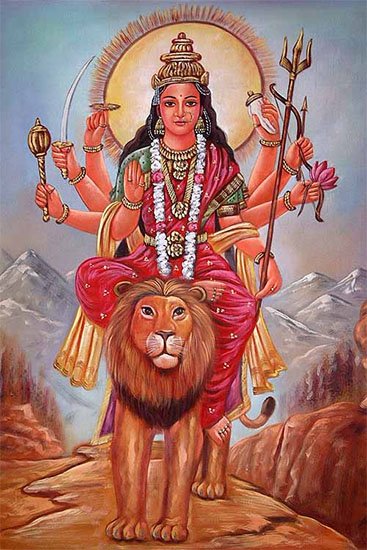
Shakta (शाक्त, śākta) or Shaktism (śāktism) represents a tradition of Hinduism where the Goddess (Devi) is revered and worshipped. Shakta literature includes a range of scriptures, including various Agamas and Tantras, although its roots may be traced back to the Vedas.
Shaiva philosophy
Pratyabhijñā (प्रत्यभिज्ञा) (lit. “divine recognition”) refers to a philosophical branch of Kashmir Śaivism.—Utpaladeva has laid the foundations for this philosophy in his Īśvarapratyabhijñā Kārikās, which have been twice exhaustively commented upon by Abhinavagupta. According to the Pratyabhijñā doctrine the only way to liberation is the recognition of our own divine nature. There is no question of becoming something which we were not already, but of removing the veil and the dirt (mala) covering the luminous nature of Śiva in us. The aim is nothing but jīvanmukti (liberation in this life itself), which means living in the uninterrupted consciousness of Śiva as our very own nature.
Shaiva philosophy is a spritiual tradition within Hinduism that includes theories such as the relationship between the Atman (individual soul) and Siva, the nature of liberation (moksha), and the concepts of maya (illusion) and shakti (divine energy). Saiva philosophy teaches that union with Shiva can be achieved through knowledge, devotion, and spiritual practice. It encompasses major branches like Shaiva Siddhanta and Kashmir Shaivism.
General definition (in Hinduism)
Pratyabhijñā (प्रत्यभिज्ञा) or Pratyabhijñādarśana refers to the eighth chapter of the Sarvadarśanasaṃgraha (lit., “ompendium of all the darśanas”) by Mādhavācārya (fourteenth century CE) refers to the most famous text of the Saṃgraha literary genre dealing in 16 chapters with different darśanas or schools of Indian philosophy.—The eighth darśana is named pratyabhijñā-darśana, and it treats of a Śaiva school belonging to the tradition of the āgamas, the renowned school of the non-dualistic Kashmirian Śaivism, founded by Somānanda (Śivadṛṣṭi, ninth century CE) and developed by Utpaladeva and Abhinavagupta, the pratyabhijñā, ‘recognition’ school. [...]
Languages of India and abroad
Sanskrit dictionary
Pratyabhijñā (प्रत्यभिज्ञा).—9 U.
1) To recognize; ततस्ते प्रत्यभिज्ञाय अर्जुनाय न्यवेदयन् (tataste pratyabhijñāya arjunāya nyavedayan) Rām.7.33.5.
2) To come to oneself, recover consciousness.
--- OR ---
Pratyabhijñā (प्रत्यभिज्ञा).—
1) Knowing, recognition; सप्रत्यभिज्ञमिव मामवलोक्य (sapratyabhijñamiva māmavalokya) Mālatīmādhava (Bombay) 1.25.
2) (Phil.) A particular type of knowledge; ननु केयं प्रत्यभिज्ञा नाम न तावदेकस्यातीतवर्तमानकाल- द्वयसम्बन्धविषयं प्रत्यक्षज्ञानं प्रत्यमिज्ञा, प्रत्यक्षज्ञानस्य वर्तमानमात्रार्थ- ग्राहित्वात् (nanu keyaṃ pratyabhijñā nāma na tāvadekasyātītavartamānakāla- dvayasambandhaviṣayaṃ pratyakṣajñānaṃ pratyamijñā, pratyakṣajñānasya vartamānamātrārtha- grāhitvāt) Vivaraṇaprameya-samgraha.
Pratyabhijñā (प्रत्यभिज्ञा).—f., and pratyabhijñāna pratyabhijñāna, n., i. e. prati-abhi-jñā, without aff. and with ana, Recognition Bhāṣāp. 159 (jñā).
Pratyabhijñā (प्रत्यभिज्ञा).—[feminine] na [neuter] recognition.
--- OR ---
Pratyabhijñā (प्रत्यभिज्ञा).—recognize again, notice, understand, come to one’s self, recover one’s consciousness.
Pratyabhijñā is a Sanskrit compound consisting of the terms pratyabhi and jñā (ज्ञा).
1) Pratyabhijñā (प्रत्यभिज्ञा):—[=praty-abhi-√jñā] a [Parasmaipada] [Ātmanepada] -jānāti, -jānīte, to recognize, remember, know, understand, [Mahābhārata; Kāvya literature] etc.;
—to come to one’s self, recover consciousness, [Kathāsaritsāgara] :
—[Causal] -jñāpayati, to recall to mind, [Śaṃkarācārya]
2) [=praty-abhijñā] [from pratyabhi-jñā] b f. recognition, [Kapila; Bhāṣāpariccheda] etc. (ifc. jña mfn., [Daśakumāra-carita; Rājataraṅgiṇī])
3) [v.s. ...] regaining knowledge or recognition (of the identify of the Supreme and individual soul), [Sarvadarśana-saṃgraha]
Pratyabhijñā (प्रत्यभिज्ञा):—(1. jñā mit pratyabhi) f.
1) Wiedererkennung [Kapila 1, 35.] [Bhāṣāpariccheda 159.] [Scholiast] zu [Jaimini 1, 19.] zu [ŚĀṆḌ. 53. 83.] vadana [Rājataraṅgiṇī 6, 55.] vṛttapratyabhijña [3, 457.] utpannapratyabhijña [Daśakumāracarita 51, 2.] —
2) Titel eines Werkes [HALL 197.]
--- OR ---
Pratyabhijñā (प्रत्यभिज्ञा):—
1) [Kathāsaritsāgara 101, 326.] [Sāhityadarpana 124, 3.] das wieder-zum-Bewusstsein-Kommen (dass Gott und die individuelle Seele völlig identisch sind) [SARVADARŚANAS. 50, 16. 91, 4.] darśana ein best. philosophisches System 90. fgg. śāstra [90, 17.]
Pratyabhijñā (प्रत्यभिज्ञा):—f. —
1) Wiedererkennung Comm. zu [Gotama's Nyāyadarśana 3,1,7.] —
2) das wieder zum Bewusstsein Kommen. —
3) Titel eines Werkes.
Pratyabhijñā (प्रत्यभिज्ञा) in the Sanskrit language is related to the Prakrit word: Paccabhijāṇa.
Sanskrit, also spelled संस्कृतम् (saṃskṛtam), is an ancient language of India commonly seen as the grandmother of the Indo-European language family (even English!). Closely allied with Prakrit and Pali, Sanskrit is more exhaustive in both grammar and terms and has the most extensive collection of literature in the world, greatly surpassing its sister-languages Greek and Latin.
Hindi dictionary
Pratyabhijñā (प्रत्यभिज्ञा) [Also spelled pratybhigya]:—(nf) recognition, identification; —[darśana] a philosophical school which recognises Lord Shiv as the Supreme Power i.e. Brahm.
...
Nepali dictionary
Pratyabhijñā (प्रत्यभिज्ञा):—n. 1. knowing; recognition; 2. recollection; knowledge gained through nostalgia or memoirs;
Nepali is the primary language of the Nepalese people counting almost 20 million native speakers. The country of Nepal is situated in the Himalaya mountain range to the north of India.
See also (Relevant definitions)
Partial matches (+0): Jna, Prati, Abhijna.
Starts with (+0): Pratyabhijna-lopa, Pratyabhijnadarshana, Pratyabhijnahridaya, Pratyabhijnana, Pratyabhijnanaratna, Pratyabhijnapana, Pratyabhijnashastra, Pratyabhijnasutra, Pratyabhijnata, Pratyabhijnatavat, Pratyabhijnavimarshini, Pratyabhijnayamanatva.
Full-text (+45): Pratyabhijnadarshana, Pratyabhijnahridaya, Pratyabhijnashastra, Pratyabhijnavimarshini, Pratyabhijnasutra, Sapratyabhijnam, Dutpratyabhijna, Vrittapratyabhijna, Kshemaraja, Somananda, Pratyabhijnapana, Pratyabhijnatavat, Pratyabhijnayamanatva, Pratyabhijnata, Pratyabhijnanaratna, Shivadrishti, Pratyabhijnana, Pratyabhijna-lopa, Paccabhijana, Pratybhigna.
Relevant text
Search found 63 books and stories containing Pratyabhijna, Prati-abhijna, Prati-abhijñā, Pratyabhi-jñā, Pratyabhi-jna, Pratyabhijñā; (plurals include: Pratyabhijnas, abhijnas, abhijñās, jñās, jnas, Pratyabhijñās). You can also click to the full overview containing English textual excerpts. Below are direct links for the most relevant articles:
Pratyabhijna and Shankara’s Advaita (comparative study) (by Ranjni M.)
4.1. Upāyas for Mokṣa in Pratyabhijñā < [Chapter 5 - Concept of Māyā in Pratyabhijñā and Advaita]
5. Pratyabhijñā: The Pinnacle of Kashmir Śaivism < [Chapter 2 - Historical and Cultural background of Pratyabhijñā and Advaita Vedānta]
4.4. The Pratyabhijñā school of philosophy (Introduction) < [Chapter 2 - Historical and Cultural background of Pratyabhijñā and Advaita Vedānta]
Principle of Shakti in Kashmir Shaivism (Study) (by Nirmala V.)
Chapter 1 - Introductory Remarks
Part 10 - Pratyabhijñā: the Realistic Idealism of Kashmir < [Chapter 3 - Evolution of Śakti in Kashmir Śaivism]
Part 13 - Śiva’s Transcendence over Śakti < [Chapter 3 - Evolution of Śakti in Kashmir Śaivism]
Sri Krishna-Chaitanya (by Nisikanta Sanyal)
Chapter 5d - Philosophical systems prevalent at the time of Sri Chaitanya < [Volume I - Introductory]
The Nyaya theory of Knowledge (by Satischandra Chatterjee)
Part 2 - Recognition (pratyabhijna) as a mode of Perception < [Chapter 9 - Three modes of ordinary perception]
Part 2 - The Jaina, Mimamsa and Vedanta views of Upamana (comparison) < [Chapter 15 - The nature and forms or Upamana (comparison)]
Part 1 - Different views about the ultimate sources of Knowledge < [Chapter 20 - Other sources of Knowledge]
A Historical Study of Trika Shaivism (by Haroon Rashid Ganai)
Part 2 - Pratyabhijna Darshan or Philosophy of Recognition < [Chapter 4 - Tradition, Philosophy and Scriptural Authority]
Part 5 - Where to locate Pratyabhijna Darshan in Shad Darshan < [Chapter 4 - Tradition, Philosophy and Scriptural Authority]
Part 1 - Introduction—Scriptural Authority of Trika Shaivism < [Chapter 4 - Tradition, Philosophy and Scriptural Authority]
Temple worship and Rituals as per Shaiva Agamas (by Gayathri Balasubramanian)