Dhumraketu, Dhūmraketu: 8 definitions
Introduction:
Dhumraketu means something in Hinduism, Sanskrit. If you want to know the exact meaning, history, etymology or English translation of this term then check out the descriptions on this page. Add your comment or reference to a book if you want to contribute to this summary article.
In Hinduism
Purana and Itihasa (epic history)
Dhūmraketu (धूम्रकेतु):—One of the three sons of Tṛṇabindu (son of Budha). (see Bhāgavata Purāṇa 9.2.33)
Dhūmraketu (धूम्रकेतु).—A son of Bharata. Five sons named Sumati, Rāṣtrabhṛt, Sudarśana, Varaṇa and Dhūmraketu were born to Bharata by his wife Pañcajanī. (Bhāgavata, Skandha 5).
1a) Dhūmraketu (धूम्रकेतु).—A son of Bharata and Pāñcajanī.*
- * Bhāgavata-purāṇa V. 7. 3.
1b) A son of Kubera.*
- * Bhāgavata-purāṇa IX. 2. 33.

The Purana (पुराण, purāṇas) refers to Sanskrit literature preserving ancient India’s vast cultural history, including historical legends, religious ceremonies, various arts and sciences. The eighteen mahapuranas total over 400,000 shlokas (metrical couplets) and date to at least several centuries BCE.
Kavya (poetry)
Dhūmraketu (धूम्रकेतु) was a leader of warriors and transcendent warriors (rathātiratha) in Sunītha and Sūryaprabha’s army, according to the Kathāsaritsāgara, chapter 47. Accordingly, as the Asura Maya explained the arrangement of warriors in Sunītha’s army: “... and [Dhūmraketu], are leaders of warriors and transcendent warriors”.
The story of Dhūmraketu was narrated by the Vidyādhara king Vajraprabha to prince Naravāhanadatta in order to relate how “Sūryaprabha, being a man, obtain of old time the sovereignty over the Vidyādharas”.
The Kathāsaritsāgara (‘ocean of streams of story’), mentioning Dhūmraketu, is a famous Sanskrit epic story revolving around prince Naravāhanadatta and his quest to become the emperor of the vidyādharas (celestial beings). The work is said to have been an adaptation of Guṇāḍhya’s Bṛhatkathā consisting of 100,000 verses, which in turn is part of a larger work containing 700,000 verses.
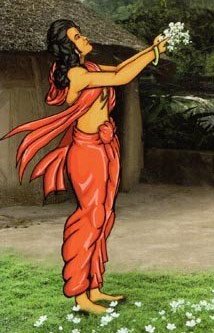
Kavya (काव्य, kavya) refers to Sanskrit poetry, a popular ancient Indian tradition of literature. There have been many Sanskrit poets over the ages, hailing from ancient India and beyond. This topic includes mahakavya, or ‘epic poetry’ and natya, or ‘dramatic poetry’.
Shaktism
Dhūmraketu (धूम्रकेतु) refers to one of the topics discussed in the Śaktisaṅgamatantra, a Sanskrit manuscript collected in volume 1 of the catalogue “Notices of Sanskrit Manuscripts (first series)” by Rajendralal Mitra (1822–1891), who was one of the first English-writing historians dealing with Indian culture and heritage.—The Śaktisaṃgama-tantra manuscript contains roughly 11,000 ślokas (metrical verses) and represents a voluminous compendium of the Śākta cult comprising four books on Kālī, Tārā, Sundarī and Chinnamastā.—The catalogue includes the term—Dhūmraketu-udaya its ‘subject-matter list’ or Viṣaya (which lists topics, chapters and technical terms). The complete entry reads—[chapter 3.11: dhūmraketūdayādimahotpātāśvapatyādideśasiddhaviśeṣajīvanyāsavinirṇayapuraścaraṇabhedabhūtapretādinigrahakathanādi].
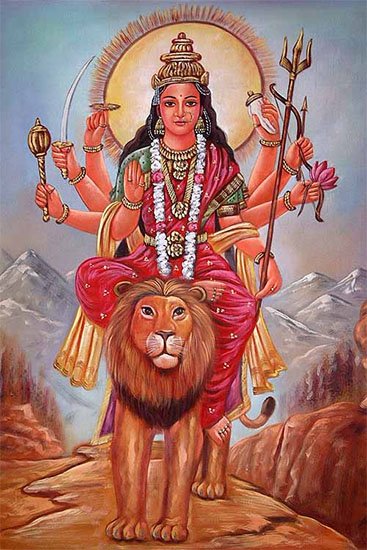
Shakta (शाक्त, śākta) or Shaktism (śāktism) represents a tradition of Hinduism where the Goddess (Devi) is revered and worshipped. Shakta literature includes a range of scriptures, including various Agamas and Tantras, although its roots may be traced back to the Vedas.
Languages of India and abroad
Sanskrit dictionary
1) Dhūmraketu (धूम्रकेतु):—[=dhūmra-ketu] [from dhūmra > dhū] m. ‘grey-bannered’, Name of a son of Bharata, [Bhāgavata-purāṇa]
2) [v.s. ...] of a son of Tṛṇabindu, [ib.]
Dhūmraketu (धूम्रकेतु):—(dhūmra + ketu) m. Nomen proprium eines Sohnes des Bharata [Bhāgavatapurāṇa 5, 7, 3.] des Tṛṇavindu [9, 2, 33.] — Vgl. dhūmaketu .
Dhūmraketu (धूम्रकेतु):—m. Nomen proprium eines Sohnes des Bharata und des Tṛṇabindu.
Sanskrit, also spelled संस्कृतम् (saṃskṛtam), is an ancient language of India commonly seen as the grandmother of the Indo-European language family (even English!). Closely allied with Prakrit and Pali, Sanskrit is more exhaustive in both grammar and terms and has the most extensive collection of literature in the world, greatly surpassing its sister-languages Greek and Latin.
See also (Relevant definitions)
Partial matches (+0): Dhumra, Ketu.
Starts with (+0): Dhumraketudaya.
Full-text (+0): Dhumraketudaya, Dhumaketu, Pancajani, Trinabindu, Avarana, Sudarshana.
Relevant text
Search found 6 books and stories containing Dhumraketu, Dhumra-ketu, Dhūmra-ketu, Dhūmraketu; (plurals include: Dhumraketus, ketus, Dhūmraketus). You can also click to the full overview containing English textual excerpts. Below are direct links for the most relevant articles:
Kathasaritsagara [Sanskrit/English] (by C. H. Tawney)
Puranic encyclopaedia (by Vettam Mani)
Kathasaritsagara (the Ocean of Story) (by Somadeva)
Chapter XLVIII < [Book VIII - Sūryaprabha]
Chapter L < [Book VIII - Sūryaprabha]
Chapter XLVII < [Book VIII - Sūryaprabha]
Bhagavata Purana (by G. V. Tagare)
Chapter 2 - History of Karūṣa and other four sons of Manu < [Book 9 - Ninth Skandha]
Chapter 7 - The Life of Bharata < [Book 5 - Fifth Skandha]
Skanda Purana (by G. V. Tagare)
Chapter 2 - Satī’s Arrival at Dakṣa’s Sacrifice < [Section 1 - Kedāra-khaṇḍa]
Taisho: Chinese Buddhist Canon
Chapter 9: In Search of the Prince < [Part 192 - Buddhacarita (translated by Dharmakshema)]