Shitabhanjin, Shita-bhanji, Shita-bhanjin, Shitabhanji, Śītabhañjī, Śītabhañjin: 2 definitions

Introduction:

Shitabhanjin means something in Hinduism, Sanskrit. If you want to know the exact meaning, history, etymology or English translation of this term then check out the descriptions on this page. Add your comment or reference to a book if you want to contribute to this summary article.

The Sanskrit terms Śītabhañjī and Śītabhañjin can be transliterated into English as Sitabhanji or Shitabhanji or Sitabhanjin or Shitabhanjin, using the IAST transliteration scheme (?).

In Hinduism

Ayurveda (science of life)

[«previous next»] — Shitabhanjin in Ayurveda glossary

Rasashastra (Alchemy and Herbo-Mineral preparations)

Śītabhañjin (शीतभञ्जिन्) is the name of an Ayurvedic recipe defined in the fourth volume of the Rasajalanidhi (chapter 2, dealing with jvara: fever). These remedies are classified as Iatrochemistry and form part of the ancient Indian science known as Rasaśāstra (medical alchemy). However, as an ayurveda treatment, it should be taken twith caution and in accordance with rules laid down in the texts.

Accordingly, when using such recipes (e.g., śīta-bhañjin-rasa): “the minerals (uparasa), poisons (viṣa), and other drugs (except herbs), referred to as ingredients of medicines, are to be duly purified and incinerated, as the case may be, in accordance with the processes laid out in the texts.” (see introduction to Iatro chemical medicines)
Source: Wisdom Library: Rasa-śāstra

Kalpa (Formulas, Drug prescriptions and other Medicinal preparations)

1) Śītabhañjī (शीतभञ्जी) or Śītabhañjīrasa refers to one of the topics discussed in the Madhumatī, a Sanskrit manuscript ascribed to Nṛsiṃha Kavirāja collected in volume 12 of the catalogue “Notices of Sanskrit Manuscripts (second series)” by Mahamahopadhyaya Haraprasad Shastri.—The Madhumatī manuscript, consisting of 5,586 ślokas (metrical verses), is housed in Dhaka with Babu Bhagavancandra Dasa Kaviraja. It seemingly addresses topics related to Medicinal, Herbal, and Iatrochemical preparations. The catalogue includes the term Śītabhañjī-rasa in its ‘subject-matter list’ or Viṣaya (which lists topics, chapters and technical terms). The complete entry reads—śītabhañjīrasavidhānam.

2) Śītabhañjī (शीतभञ्जी) also refers to one of the topics discussed in the Rasakaumudī.—The Rasakaumudī by Mādhavakara represents a treatise on practice of medicine and therapeutics. It is a leading work on Hindu medicine, very largely studied in Bengal containing causes and symptoms of diseases. It contains 3,092 ślokas.—The complete entry reads: śītabhañjirasaḥ.

3) Śītabhañji (शीतभञ्जिरस) or Śītabhañjirasa also refers to one of the topics discussed in the Yogāmṛta, a large Ayurvedic compilation dealing with the practice of medicine and therapeutics authored by Gopāla Sena, Kavirāja, of Dvārandhā. It is dated to the 18th century and contains 11,700 ślokas.—The complete entry reads: śītabhañjirasaḥ .

Source: Notices of Sanskrit Manuscripts: Volume 12 (1898) (ay)
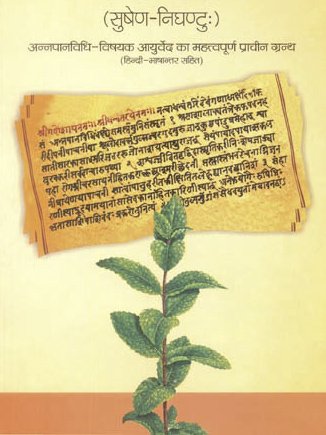
Ayurveda book cover
context information

Āyurveda (आयुर्वेद, ayurveda) is a branch of Indian science dealing with medicine, herbalism, taxology, anatomy, surgery, alchemy and related topics. Traditional practice of Āyurveda in ancient India dates back to at least the first millenium BC. Literature is commonly written in Sanskrit using various poetic metres.

Discover the meaning of shitabhanjin or sitabhanji in the context of Ayurveda from relevant books on Exotic India

See also (Relevant definitions)

Relevant text

Let's grow together!

I humbly request your help to keep doing what I do best: provide the world with unbiased sources, definitions and images. Your donation direclty influences the quality and quantity of knowledge, wisdom and spiritual insight the world is exposed to.

Let's make the world a better place together!

Like what you read? Help to become even better: