Rupata, Rūpatā: 5 definitions
Introduction:
Rupata means something in Hinduism, Sanskrit, Buddhism, Pali. If you want to know the exact meaning, history, etymology or English translation of this term then check out the descriptions on this page. Add your comment or reference to a book if you want to contribute to this summary article.
In Hinduism
Shaivism (Shaiva philosophy)
Source: Google Books: Manthanabhairavatantram (shaivism)Rūpatā (रूपता) refers to the “nature (of the senses)”, according to the Mahānayaprakāśa by Arṇasiṃha (Cf. verse 182-197).—Accordingly, “He who, by virtue of the innate expansion (of his own consciousness) and freedom, assumes the nature of the senses (indriya-rūpatā), without (this thereby) diminishing the glorious power of the Inexplicable (Fourth State of consciousness) in the sphere the objects of sense and who, abandoning (all) exertion (for what is conventionally considered to be) right or wrong, moves (freely) at all times, is known as Meṣanātha who, endowed with the expansion (of consciousness), is ever intent (on realisation)”.
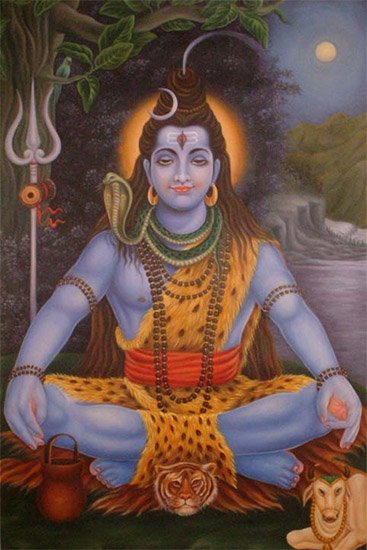
Shaiva (शैव, śaiva) or Shaivism (śaivism) represents a tradition of Hinduism worshiping Shiva as the supreme being. Closely related to Shaktism, Shaiva literature includes a range of scriptures, including Tantras, while the root of this tradition may be traced back to the ancient Vedas.
Languages of India and abroad
Pali-English dictionary
Source: Sutta: The Pali Text Society's Pali-English DictionaryRūpatā, (f.) (abstr. fr. rūpa) (being) shape(d), appearance; accordance, conformity, in phrase bhavya-rūpatāya “by appearance of likelihood” A. II, 191 (in hearsay formula, where it is missing in id. passage at Nd2 151). (Page 575)
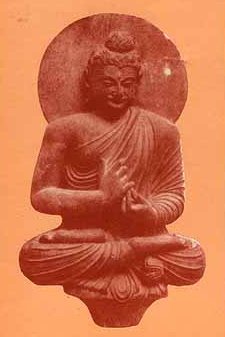
Pali is the language of the Tipiṭaka, which is the sacred canon of Theravāda Buddhism and contains much of the Buddha’s speech. Closeley related to Sanskrit, both languages are used interchangeably between religions.
Sanskrit dictionary
Source: Cologne Digital Sanskrit Dictionaries: Monier-Williams Sanskrit-English DictionaryRūpatā (रूपता):—[=rūpa-tā] [from rūpa > rūp] f. (ifc.) the state of being formed or composed of (e.g. duḥkha-r, ‘the consisting of pain’), [Nīlakaṇṭha]
[Sanskrit to German]
Sanskrit, also spelled संस्कृतम् (saṃskṛtam), is an ancient language of India commonly seen as the grandmother of the Indo-European language family (even English!). Closely allied with Prakrit and Pali, Sanskrit is more exhaustive in both grammar and terms and has the most extensive collection of literature in the world, greatly surpassing its sister-languages Greek and Latin.
See also (Relevant definitions)
Starts with: Rupataka, Rupatala, Rupatalikatmaka, Rupatama, Rupatanha, Rupatanmatra, Rupataramgini, Rupatarangini, Rupatarka, Rupatas, Rupatathata, Rupatattva.
Ends with (+20): Abhirupata, Anekarupata, Anurupata, Ardharupata, Arupata, Asararupata, Ashrupata, Atmarupata, Bahirupata, Bodharupata, Divyarupata, Dvirupata, Ekarupata, Gurupata, Indriyarupata, Jatarupata, Kanakarupata, Kurupata, Malarupata, Marupatha.
Full-text (+3): Kurupata, Ekarupata, Svarupata, Sarupata, Arupata, Sarvarupata, Ardharupata, Purvarupata, Somarupata, Nanarupata, Pratirupata, Malarupata, Rupatva, Jatarupata, Abhirupata, Virupata, Surupata, Ulukhalarupata, Sararupata, Dvirupata.
Relevant text
Search found 10 books and stories containing Rupata, Rūpatā, Rupa-ta, Rūpa-tā; (plurals include: Rupatas, Rūpatās, tas, tās). You can also click to the full overview containing English textual excerpts. Below are direct links for the most relevant articles:
Brihad Bhagavatamrita (commentary) (by Śrī Śrīmad Bhaktivedānta Nārāyana Gosvāmī Mahārāja)
Verse 1.5.124 < [Chapter 5 - Priya (the beloved devotees)]
Verse 1.3.61 < [Chapter 3 - Prapañcātīta (beyond the Material Plane)]
Cidgaganacandrika (study) (by S. Mahalakshmi)
Verse 211 [Rising and setting of Dṛk and Smṛti] < [Chapter 4 - Fourth Vimarśa]
Verse 139 [Vargapañcaka forms seed for pañcāśat varṇas] < [Chapter 3 - Third Vimarśa]
Bhakti-rasamrta-sindhu (by Śrīla Rūpa Gosvāmī)
Verse 2.4.3 < [Part 4 - Transient Ecstatic Disturbances (vyābhicāri-bhāva)]
Verse 2.1.4 < [Part 1 - Ecstatic Excitants (vibhāva)]
Sahitya-kaumudi by Baladeva Vidyabhushana (by Gaurapada Dāsa)
Text 7.76 < [Chapter 7 - Literary Faults]
Text 9.44 [zig-zag diagram] < [Chapter 9 - Ornaments of Sound]
Text 4.8 < [Chapter 4 - First-rate Poetry]
A History of Indian Philosophy Volume 1 (by Surendranath Dasgupta)
Part 17 - Pudgala < [Chapter VI - The Jaina Philosophy]
A History of Indian Philosophy Volume 2 (by Surendranath Dasgupta)
Part 5 - The World-Appearance < [Chapter XII - The Philosophy of the Yogavāsiṣṭha]