Wood-apple, Wood-apple fruit, Wood-apple tree: 5 definitions
Introduction:
Wood-apple means something in Hinduism, Sanskrit, biology. If you want to know the exact meaning, history, etymology or English translation of this term then check out the descriptions on this page. Add your comment or reference to a book if you want to contribute to this summary article.
Images (photo gallery)
In Hinduism
Natyashastra (theatrics and dramaturgy)
1) The Wood Apple (tree) is denoted by the Sanskrit term Kapittha, whereas Kapitthahasta refers to one of the twenty-two Single-hand Gestures (in Indian Dramas) (known as asaṃyuktahastas), according to the Viṣṇudharmottarapurāṇa, an ancient Sanskrit text which (being encyclopedic in nature) deals with a variety of cultural topics such as arts, architecture, music, grammar and astronomy.—In the Śabdakalpadruma, the word kapittha is explained as a kind of tree where kapi i.e., monkey comes due to the greed of fruit. The word kapittha again denotes the fruit called wood apple. Abhinavagupta states that due to the shape of a wood apple, this posture is named as kapittha. According to the Viṣṇudharmottarapurāṇa, in kapitthahasta, the thumb is inside the fist.
2) Wood apple (fruit) is associated with Padmakośa-hasta: another of the twenty-two Single-hand Gestures.—The word padmakośa means the calyx of a lotus. [...] The uses of the padmakośa-hasta posture are not mentioned in the Viṣṇudharmottarapurāṇa. But according to the Abhinayadarpaṇa, this posture denotes some round shaped objects like breast of a woman, ball, round shaped cooking pot, egg and bell. The padmakośa posture is also used to show the blowing buds of flowers like marigold, lotus etc. Some kind of fruits like mango and wood apple are also portrayed with his hand posture.
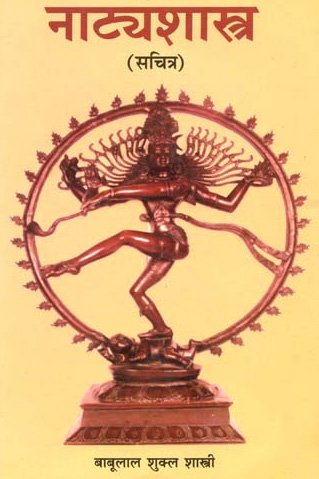
Natyashastra (नाट्यशास्त्र, nāṭyaśāstra) refers to both the ancient Indian tradition (shastra) of performing arts, (natya—theatrics, drama, dance, music), as well as the name of a Sanskrit work dealing with these subjects. It also teaches the rules for composing Dramatic plays (nataka), construction and performance of Theater, and Poetic works (kavya).
Shilpashastra (iconography)
The Wood apple is denoted by the Sanskrit term Kapittha , and represents a particular shade of the green color, created through the principles of the ancient Indian tradition of Painting (citra), according to the Viṣṇudharmottarapurāṇa, an ancient Sanskrit text which (being encyclopedic in nature) deals with a variety of cultural topics such as arts, architecture, music, grammar and astronomy. In the Viṣṇudharmottarapurāṇa, five colours are regarded as the primary ones. Mixing of colours is a great technique used by the artists to make numerous shades of colours. Many shades of a particular colour also can be created by increasing or decreasing the quantity of the white part in the mixture. Thus, different shades of green could be made. For example—wood apple (kapittha) [...]—all of which are basically green in colour but shows their colour in light and dark shades of green.

Shilpashastra (शिल्पशास्त्र, śilpaśāstra) represents the ancient Indian science (shastra) of creative arts (shilpa) such as sculpture, iconography and painting. Closely related to Vastushastra (architecture), they often share the same literature.
Ayurveda (science of life)
Veterinary Medicine (The study and treatment of Animals)
The “Wood-apple tree” is known in Sanskrit as Bilvaka, the seeds of which are used in a recipe for the attraction of elephants, according to the 15th century Matangalila composed by Nilakantha in 263 Sanskrit verses, dealing with elephantology in ancient India, focusing on the science of management and treatment of elephants.—[Cf. chapter 10, “on the catching of elephants”]: “ 9. [...] Likewise with seeds produced by the wood-apple tree (bilvaka), kukkuṭāṇḍaka (kind of rice), and Pongamia glabra, and with the fruit of Grewia elastica, mixed together, this ointment (applied to cows) will bring noble elephants into subjection”.
Wood Apple is known in Sanskrit as Kapittha, and are given to domesticated elephants (as part of routine care-taking), according to the 15th century Matangalila composed by Nilakantha in 263 Sanskrit verses, dealing with elephantology in ancient India, focusing on the science of management and treatment of elephants.—[Cf. chapter 11, “On the keeping of elephants and their daily and seasonal regimen”]: “9. (One shall feed them) stalks and bulbs of lotuses and (other) water lilies, [...] [wood-apples—kapittha] [...] always to be given to elephants, King of Aṅga, to ease their distress; also other sweet delicacies which they love”.
Āyurveda (आयुर्वेद, ayurveda) is a branch of Indian science dealing with medicine, herbalism, taxology, anatomy, surgery, alchemy and related topics. Traditional practice of Āyurveda in ancient India dates back to at least the first millenium BC. Literature is commonly written in Sanskrit using various poetic metres.
Biology (plants and animals)
1) Wood apple in English is the name of a plant defined with Aegle marmelos in various botanical sources. This page contains potential references in Ayurveda, modern medicine, and other folk traditions or local practices It has the synonym Feronia pellucida Roth (among others).
2) Wood apple is also identified with Limonia acidissima It has the synonym Feronia elephantum Corr. (etc.).
Example references for further research on medicinal uses or toxicity (see latin names for full list):
· Revisio Generum Plantarum (1891)
· Journal of Economic and Taxonomic Botany (2003)
· Transactions of the Linnean Society of London (1800)
· Pl. Coast Corom. (1798)
· Transactions of the Linnean Society of London (1800)
· Taxon (1980)
If you are looking for specific details regarding Wood apple, for example side effects, chemical composition, health benefits, diet and recipes, pregnancy safety, extract dosage, have a look at these references.

This sections includes definitions from the five kingdoms of living things: Animals, Plants, Fungi, Protists and Monera. It will include both the official binomial nomenclature (scientific names usually in Latin) as well as regional spellings and variants.
See also (Relevant definitions)
Partial matches (+0): Tree, Wood, Fruit.
Full-text (+160): Kapittha, Bilva, Hemantanatha, Dadhittha, Kabittha, Pushpaphala, Grahin, Niramalu, Manmatha, Dantasatha, Dadhiphala, Thangka, Vilv, Shirapatra, Kavanthi, Suphala, Putpapalam, Mayakam, Pancapallava, Cuvetakam.
Relevant text
Search found 106 books and stories containing Wood-apple, Wood-apple fruit, Wood-apple tree, Wood-apple trees, Wood-apples; (plurals include: apples, apple fruits, apple trees, apple treeses, appleses). You can also click to the full overview containing English textual excerpts. Below are direct links for the most relevant articles:
108 Tirupathi Anthathi (English translation) (by Sri Varadachari Sadagopan)
Trishashti Shalaka Purusha Caritra (by Helen M. Johnson)
Part 10: Incarnation as Viśvabhūti < [Chapter I - Previous births of Mahāvīra]
Part 11: Episode of Viśākhanandin and Viśvabhūti < [Chapter I - Śreyāṃsanāthacaritra]
Acaranga-sutra (by Hermann Jacobi)
Lecture 1, Lesson 8 < [Book 2]
Maha Buddhavamsa—The Great Chronicle of Buddhas (by Ven. Mingun Sayadaw)
Abhaya Rājakumāra Sutta in Brief < [Chapter 42 - The Dhamma Ratanā]
Shiva Purana [sanskrit/english]
Devi Tantra, Mantra, Yantra (study) (by Srider Basudevan Iyer)
Sadhya worship accessories (6): Japa < [Chapter 4 - Worship and The Worshipper]
Sadhaka worship accessories (1): Asana or the Seat < [Chapter 4 - Worship and The Worshipper]
Sadhya worship accessories (5): Offerings < [Chapter 4 - Worship and The Worshipper]