Agnikrit, Agnikṛt, Agni-krit: 2 definitions
Introduction:
Agnikrit means something in Hinduism, Sanskrit. If you want to know the exact meaning, history, etymology or English translation of this term then check out the descriptions on this page. Add your comment or reference to a book if you want to contribute to this summary article.
The Sanskrit term Agnikṛt can be transliterated into English as Agnikrt or Agnikrit, using the IAST transliteration scheme (?).
In Hinduism
Purana and Itihasa (epic history)
Source: archive.org: Shiva Purana - English TranslationAgnikṛt (अग्निकृत्) is the name of a Gaṇa-chief who participated in Vīrabhadra’s campaign against Dakṣa, according to the Śivapurāṇa 2.2.33. Accordingly, as Brahmā narrated to Nārada:—“O Nārada, listen to the numerical strength of the most important and courageous of those groups. [...] Agnikṛt with hundred crores; Agnimukha with a crore; Ādityamūrdhā and Ghanāvaha each with a crore. [...] Thus at the bidding of Śiva, the heroic Vīrabhadra went ahead followed by crores and crores, thousands and thousands, hundreds and hundreds of Gaṇas [viz., Agnikṛt]”.

The Purana (पुराण, purāṇas) refers to Sanskrit literature preserving ancient India’s vast cultural history, including historical legends, religious ceremonies, various arts and sciences. The eighteen mahapuranas total over 400,000 shlokas (metrical couplets) and date to at least several centuries BCE.
Ayurveda (science of life)
Source: archive.org: Vagbhata’s Ashtanga Hridaya Samhita (first 5 chapters)Agnikṛt (अग्निकृत्) refers to that which is “generative of the gastric fire”, as mentioned in verse 5.29-30, 35 of the Aṣṭāṅgahṛdayasaṃhitā (Sūtrasthāna) by Vāgbhaṭa.—Accordingly, “[...] Of sour digestion and taste, constipating, heavy, (and) warming (are) curds [viz., dadhi]; (they are) destructive of wind (and) generative of fat, sperm, strength, phlegm, hemorrhage, (gastric) fire [viz., agnikṛt], and cutaneous swellings. (As they are) appetizing, (they are) commended in anorexia, cold irregular fever, catarrh, and strangury; skimmed, however, in dysentery”.
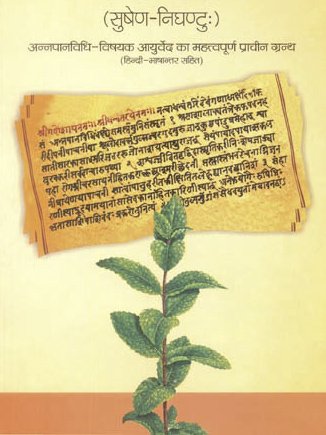
Āyurveda (आयुर्वेद, ayurveda) is a branch of Indian science dealing with medicine, herbalism, taxology, anatomy, surgery, alchemy and related topics. Traditional practice of Āyurveda in ancient India dates back to at least the first millenium BC. Literature is commonly written in Sanskrit using various poetic metres.
See also (Relevant definitions)
Partial matches: Krit, Agni, Ani.
Starts with: Agnikrita.
Full-text: Ghanavaha, Agnimukha, Adityamurdha.
Relevant text
Search found 1 books and stories containing Agnikrit, Agnikṛt, Agni-krit, Agnikrt, Agni-kṛt, Agni-krt; (plurals include: Agnikrits, Agnikṛts, krits, Agnikrts, kṛts, krts). You can also click to the full overview containing English textual excerpts. Below are direct links for the most relevant articles:
The Shiva Purana (by J. L. Shastri)
Chapter 33 - The March of Vīrabhadra < [Section 2.2 - Rudra-saṃhitā (2): Satī-khaṇḍa]