Nahuta: 2 definitions
Introduction:
Nahuta means something in Buddhism, Pali. If you want to know the exact meaning, history, etymology or English translation of this term then check out the descriptions on this page. Add your comment or reference to a book if you want to contribute to this summary article.
Languages of India and abroad
Pali-English dictionary
Source: BuddhaSasana: Concise Pali-English Dictionarynahuta : (nt.) ten thousand, (10.000); a myriad.
Source: Sutta: The Pali Text Society's Pali-English DictionaryNahuta, (nt.) (Sk. nayuta (m. pl.) of unknown etym. Is it the same as navuti? The corresponding v›y›h is frequent, as to meaning cp. nava 3) a vast number, a myriad Sn. 677; J. I, 25, 83; Pv IV. 17; DhA. I, 88; PvA. 22, 265. (Page 349)
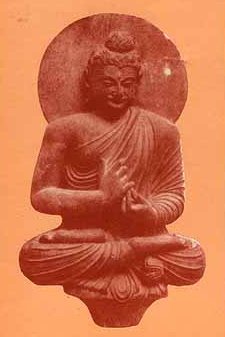
Pali is the language of the Tipiṭaka, which is the sacred canon of Theravāda Buddhism and contains much of the Buddha’s speech. Closeley related to Sanskrit, both languages are used interchangeably between religions.
See also (Relevant definitions)
Ends with: Anahuta, Catunahuta, Ninnahuta.
Full-text: Latthivana, Latthivanuyyana, Cakkavala, Lohakumbha.
Relevant text
Search found 5 books and stories containing Nahuta; (plurals include: Nahutas). You can also click to the full overview containing English textual excerpts. Below are direct links for the most relevant articles:
Apadana commentary (Atthakatha) (by U Lu Pe Win)
Buddha finds disciples and starts his order < [Part 3 - Discourse on proximate preface (santike-nidāna)]
Commentary on the biography of the the thera Sāriputta < [Chapter 1 - Buddhavagga (Buddha section)]
Dipankara Buddha predicts Buddhahood for Sumedha < [Part 1 - Remote preface (dūre-nidāna)]
The Mahavastu (great story) (by J. J. Jones)
Chapter I - Prologue < [Volume I]
Vinaya Pitaka (3): Khandhaka (by I. B. Horner)
On Bimbisāra’s gathering < [1. Going forth (Pabbajjā)]
Visuddhimagga (the pah of purification) (by Ñāṇamoli Bhikkhu)
Additional Ways of Giving Attention < [Chapter XI - Nutriment and the Elements (samādhi-niddesa)]
(1) Recollection of the Enlightened One < [Chapter VII - Six Recollections (Cha-anussati-niddesa)]
The Jataka tales [English], Volume 1-6 (by Robert Chalmers)
Jataka 547: Vessantara-jātaka < [Volume 6]