Raktambaradhara, Raktāmbaradhara, Raktambara-dhara: 4 definitions
Introduction:
Raktambaradhara means something in Hinduism, Sanskrit. If you want to know the exact meaning, history, etymology or English translation of this term then check out the descriptions on this page. Add your comment or reference to a book if you want to contribute to this summary article.
In Hinduism
Shaktism (Shakta philosophy)
Source: Google Books: ManthanabhairavatantramRaktāmbaradhara (रक्ताम्बरधर) refers to “one who wears red clothes”, according to the Brahmayāmala verse 21.72-73ab.—The renouncer in Vedic times wore ochre coloured clothes. This practice continues amongst Śaiva renouncers who attribute the origin of their orders to Śaṅkarācārya. Vaiṣṇava renouncers, who in their outer appearance resemble in many respects their Śaiva counterparts, generally wear white. Modern Śākta renouncers wear red clothes. A similar practice is recorded in the Brahmayāmala, a text that may well belong to the seventh or eighth century. In one of a series of vows (vrata) described there, the initiate may chose to perform he should wear “black and red clothes and no upper garment”. Another prescribes that: “wearing red clothes [i.e., raktāmbaradhara], a red garland and (smeared with) unguent, he has red ornaments and holds an ascetic's staff. In particular, he should always carry a skull and a double-headed drum”.
Source: ORA: Amanaska (king of all yogas): (shaktism)Raktāmbaradhara (रक्ताम्बरधर) refers to “those who wear red garments”, according to the 17th century Kaulagajamardana (“crushing the Kaula elephant”) authored by Kāśīnātha or Kṛṣṇānandācala.—Accordingly, [as Īśvara said to Pārvatī]: “[...] O great Goddess, hear about the Jain. He always carries a pitcher. He is simply a soul and never an enjoyer, doer and destroyer. He is called a Jain, and Buddhists and [the like] are considered [to be similar]. Some pluck out their hair and dress in white, my dear, and [some] wear red garments (raktāmbaradhara) and [others wear] indigo and so on. Some are called, 'great guru', and others pursue nonviolence. These are the different varieties in brief; they are [all] called Pāṣaṇḍas [because] they have been excluded from the vedic path. [...]”
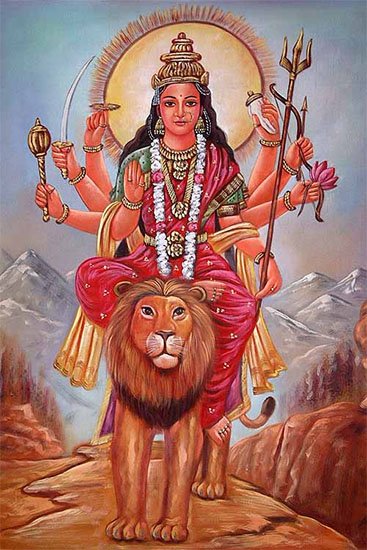
Shakta (शाक्त, śākta) or Shaktism (śāktism) represents a tradition of Hinduism where the Goddess (Devi) is revered and worshipped. Shakta literature includes a range of scriptures, including various Agamas and Tantras, although its roots may be traced back to the Vedas.
Shaivism (Shaiva philosophy)
Source: Brill: Śaivism and the Tantric TraditionsRaktāmbaradhara (रक्ताम्बरधर) refers to “one dressed in red garments”, as quoted by Hṛdayaśiva in his Prāyaścittasamuccaya (verse 10.27-35).—Accordingly, “[...] Dressed in white, with a white turban and a white sacred thread and white unguents and garland, he should perform the observance for the vidyādhipa-mantra. Dressed in red garments (raktāmbaradhara) and red garlands and unguents the Mantrin should first perform for one month the stated observance for the brahmaśiras. [...]”.
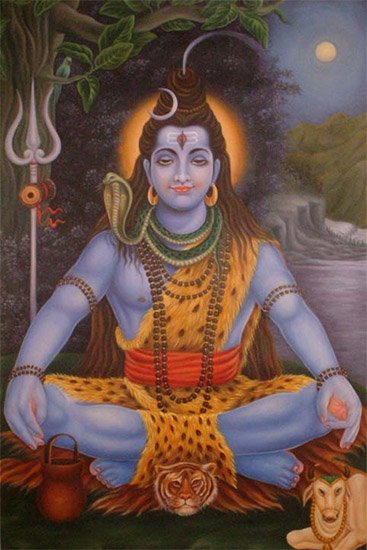
Shaiva (शैव, śaiva) or Shaivism (śaivism) represents a tradition of Hinduism worshiping Shiva as the supreme being. Closely related to Shaktism, Shaiva literature includes a range of scriptures, including Tantras, while the root of this tradition may be traced back to the ancient Vedas.
Languages of India and abroad
Sanskrit dictionary
Source: Cologne Digital Sanskrit Dictionaries: Monier-Williams Sanskrit-English DictionaryRaktāmbaradhara (रक्ताम्बरधर):—[=raktāmbara-dhara] [from raktāmbara > rakta > raj] mfn., wearing a red g°
Sanskrit, also spelled संस्कृतम् (saṃskṛtam), is an ancient language of India commonly seen as the grandmother of the Indo-European language family (even English!). Closely allied with Prakrit and Pali, Sanskrit is more exhaustive in both grammar and terms and has the most extensive collection of literature in the world, greatly surpassing its sister-languages Greek and Latin.
See also (Relevant definitions)
Partial matches: Dhara, Raktambara, Tara.
Full-text: Raktambara.
Relevant text
No search results for Raktambaradhara, Raktambara-dhara, Raktāmbara-dhara, Raktāmbaradhara; (plurals include: Raktambaradharas, dharas, Raktāmbaradharas) in any book or story.