Pratyayakaraka, Pratyayakāraka, Pratyaya-karaka: 5 definitions
Introduction:
Pratyayakaraka means something in Hinduism, Sanskrit. If you want to know the exact meaning, history, etymology or English translation of this term then check out the descriptions on this page. Add your comment or reference to a book if you want to contribute to this summary article.
In Hinduism
Yoga (school of philosophy)
Source: ORA: Amanaska (king of all yogas): A Critical Edition and Annotated Translation by Jason BirchPratyayakāraka (प्रत्ययकारक) refers to “that which generates proof” (of its own effectiveness), according to the Amanaska Yoga treatise dealing with meditation, absorption, yogic powers and liberation.—Accordingly, as Īśvara says to Vāmadeva: “[...] [Even] without [other] yoga texts and the various opinions of gurus, Listen: this is self-realization [which] generates instant proof (sadyaḥ-pratyayakāraka) [of its own effectiveness]. Always avoid the [yoga] with form, mind and effort. Always adopt the [yoga] with no form, no mind and no effort. [...]”.
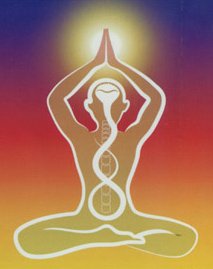
Yoga is originally considered a branch of Hindu philosophy (astika), but both ancient and modern Yoga combine the physical, mental and spiritual. Yoga teaches various physical techniques also known as āsanas (postures), used for various purposes (eg., meditation, contemplation, relaxation).
Languages of India and abroad
Sanskrit dictionary
Source: DDSA: The practical Sanskrit-English dictionaryPratyayakāraka (प्रत्ययकारक).—a. producing assurance, convincing.
-ṇī a seal, signet-ring.
Derivable forms: pratyayakārakaḥ (प्रत्ययकारकः).
Pratyayakāraka is a Sanskrit compound consisting of the terms pratyaya and kāraka (कारक). See also (synonyms): pratyayakārakārin.
Source: Cologne Digital Sanskrit Dictionaries: Cappeller Sanskrit-English DictionaryPratyayakāraka (प्रत्ययकारक).—[adjective] producing confidence.
Source: Cologne Digital Sanskrit Dictionaries: Monier-Williams Sanskrit-English DictionaryPratyayakāraka (प्रत्ययकारक):—[=pratyaya-kāraka] [from pratyaya > pratī] mfn. one who awakens confidence, trustworthy ([Pañcatantra])
[Sanskrit to German]
Sanskrit, also spelled संस्कृतम् (saṃskṛtam), is an ancient language of India commonly seen as the grandmother of the Indo-European language family (even English!). Closely allied with Prakrit and Pali, Sanskrit is more exhaustive in both grammar and terms and has the most extensive collection of literature in the world, greatly surpassing its sister-languages Greek and Latin.
See also (Relevant definitions)
Partial matches: Karaka, Pratyaya.
Starts with: Pratyayakarakarin.
Ends with: Sadyahpratyayakaraka.
Full-text: Pratyayakarakarin.
Relevant text
No search results for Pratyayakaraka, Pratyayakāraka, Pratyaya-karaka, Pratyaya-kāraka; (plurals include: Pratyayakarakas, Pratyayakārakas, karakas, kārakas) in any book or story.