Shiddheshvari, Śiddheśvarī: 1 definition
Introduction:
Shiddheshvari means something in Hinduism, Sanskrit. If you want to know the exact meaning, history, etymology or English translation of this term then check out the descriptions on this page. Add your comment or reference to a book if you want to contribute to this summary article.
The Sanskrit term Śiddheśvarī can be transliterated into English as Siddhesvari or Shiddheshvari, using the IAST transliteration scheme (?).
In Hinduism
Ayurveda (science of life)
Rasashastra (Alchemy and Herbo-Mineral preparations)
Source: Wisdom Library: Rasa-śāstraŚiddheśvarī (शिद्धेश्वरी):—One of the sixty-eight Siddhauṣadhi, as per Rasaśāstra texts (rasa literature). These drugs give siddhi (success) in mercurial operations. Even so, they are more powerful than rasa (mercury) itself. These may perform all the kāryas (‘effects’) and grant dehasiddhi (‘perfection of body’) and lohasiddhi (‘transmutation of base metals’) both.
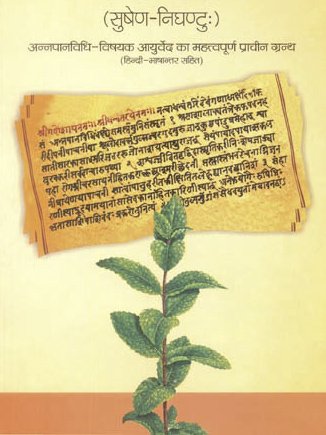
Āyurveda (आयुर्वेद, ayurveda) is a branch of Indian science dealing with medicine, herbalism, taxology, anatomy, surgery, alchemy and related topics. Traditional practice of Āyurveda in ancient India dates back to at least the first millenium BC. Literature is commonly written in Sanskrit using various poetic metres.
See also (Relevant definitions)
Full-text: Siddhaushadhi.
Relevant text
Search found 1 books and stories containing Shiddheshvari, Śiddheśvarī, Siddhesvari; (plurals include: Shiddheshvaris, Śiddheśvarīs, Siddhesvaris). You can also click to the full overview containing English textual excerpts. Below are direct links for the most relevant articles:
Jainism in Odisha (Orissa) (by Ashis Ranjan Sahoo)
Jaina Antiquities in Dandapalasa (Balasore) < [Chapter 3: Survey of Jaina Antiquities in Odisha]