Namakam: 2 definitions
Introduction:
Namakam means something in biology, Tamil. If you want to know the exact meaning, history, etymology or English translation of this term then check out the descriptions on this page. Add your comment or reference to a book if you want to contribute to this summary article.
Biology (plants and animals)
Source: Google Books: CRC World Dictionary (Regional names)Namakam in India is the name of a plant defined with Leucas aspera in various botanical sources. This page contains potential references in Ayurveda, modern medicine, and other folk traditions or local practices It has the synonym Phlomis plukenetii Roth (among others).
Example references for further research on medicinal uses or toxicity (see latin names for full list):
· Systema Vegetabilium (1825)
· Enum. Hort. Berol. Alt. (1822)
· Flora of the British India (1885)
· Enum. Pl. (1809)
· Rev. Hortus Malab. (1839)
If you are looking for specific details regarding Namakam, for example chemical composition, side effects, extract dosage, diet and recipes, health benefits, pregnancy safety, have a look at these references.
This sections includes definitions from the five kingdoms of living things: Animals, Plants, Fungi, Protists and Monera. It will include both the official binomial nomenclature (scientific names usually in Latin) as well as regional spellings and variants.
Languages of India and abroad
Tamil dictionary
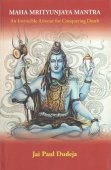
Source: DDSA: University of Madras: Tamil LexiconNamakam (நமகம்) noun < namaka. A hymn in the Vēda, addressed to Rudra; உருத்திரனைக் குறித்த ஒரு வேத மந்திரம். நமகமார் சமகந் தன்னை [uruthiranaig kuritha oru vetha manthiram. namagamar samagan thannai] (சேதுபுராணம் இராமநாடகம் [sethupuranam iramanadagam] 47).
Tamil is an ancient language of India from the Dravidian family spoken by roughly 250 million people mainly in southern India and Sri Lanka.
See also (Relevant definitions)
Starts with: Namakama, Namakamma.
Ends with: Uruttira-camakanamakam.
Full-text: Uruttira-camakanamakam.
Relevant text
No search results for Namakam, Namagam; (plurals include: Namakams, Namagams) in any book or story.
Related products