Dusshera: 1 definition
Introduction:
Dusshera means something in the history of ancient India. If you want to know the exact meaning, history, etymology or English translation of this term then check out the descriptions on this page. Add your comment or reference to a book if you want to contribute to this summary article.
India history and geography
Source: Shodhganga: A translation of Jhaverchand Meghanis non translated folk talesDusshera refers to “The tenth day of the bright half of the month of Aswin (the last month of Vikram Samvant is called Aswin/ Asho) is called Dusshera. In this month the first nine days are celebrated as Navratri, the tenth day is celebrated as Dusshera -the day of the victory of Shree Rama (good) over Ravana (evil)”.—It is defined in the glossary attached to the study dealing with Gujarat Folk tales composed by Gujarati poet Jhaverchand Meghani (1896-1947)
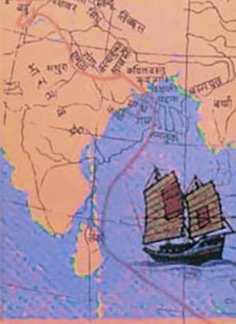
The history of India traces the identification of countries, villages, towns and other regions of India, as well as mythology, zoology, royal dynasties, rulers, tribes, local festivities and traditions and regional languages. Ancient India enjoyed religious freedom and encourages the path of Dharma, a concept common to Buddhism, Hinduism, and Jainism.
See also (Relevant definitions)
Relevant text
Search found 1 books and stories containing Dusshera; (plurals include: Dussheras). You can also click to the full overview containing English textual excerpts. Below are direct links for the most relevant articles:
Folk Tales of Gujarat (and Jhaverchand Meghani) (by Vandana P. Soni)
Chapter 36 - Vikram and Prabhat Chavdo < [Part 5 - Rang Chee Barot]