Devadattiya, Deva-dattiya: 4 definitions
Introduction:
Devadattiya means something in Hinduism, Sanskrit, Buddhism, Pali. If you want to know the exact meaning, history, etymology or English translation of this term then check out the descriptions on this page. Add your comment or reference to a book if you want to contribute to this summary article.
Languages of India and abroad
Pali-English dictionary
Source: Sutta: The Pali Text Society's Pali-English DictionaryDevadattiya refers to: =°dattika J.III, 37; DhA.I, 278;
Note: devadattiya is a Pali compound consisting of the words deva and dattiya.
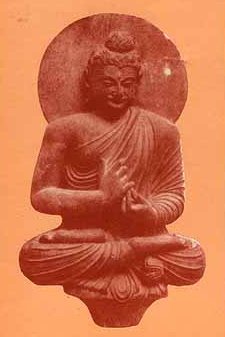
Pali is the language of the Tipiṭaka, which is the sacred canon of Theravāda Buddhism and contains much of the Buddha’s speech. Closeley related to Sanskrit, both languages are used interchangeably between religions.
Sanskrit dictionary
Source: Cologne Digital Sanskrit Dictionaries: Monier-Williams Sanskrit-English DictionaryDevadattīya (देवदत्तीय):—[=deva-dattīya] [from deva-datta > deva] m. [plural] the pupils of D°, [Pāṇini 1-1, 73], [vArttika] 5, [Patañjali]
[Sanskrit to German]
Sanskrit, also spelled संस्कृतम् (saṃskṛtam), is an ancient language of India commonly seen as the grandmother of the Indo-European language family (even English!). Closely allied with Prakrit and Pali, Sanskrit is more exhaustive in both grammar and terms and has the most extensive collection of literature in the world, greatly surpassing its sister-languages Greek and Latin.
See also (Relevant definitions)
Partial matches: Dattiya, Deva, Teva.
Full-text: Devadattika, Daivadatta.
Relevant text
Search found 2 books and stories containing Devadattiya, Deva-dattiya, Devadattīya, Deva-dattīya; (plurals include: Devadattiyas, dattiyas, Devadattīyas, dattīyas). You can also click to the full overview containing English textual excerpts. Below are direct links for the most relevant articles:
The Great Chronicle of Buddhas (by Ven. Mingun Sayadaw)
Reverberations of Dharmakirti’s Philosophy (by Birgit Kellner)