Nikhanitva, Nikhaṇitvā: 1 definition
Introduction:
Nikhanitva means something in Buddhism, Pali. If you want to know the exact meaning, history, etymology or English translation of this term then check out the descriptions on this page. Add your comment or reference to a book if you want to contribute to this summary article.
Languages of India and abroad
Pali-English dictionary
Source: BuddhaSasana: Concise Pali-English Dictionarynikhaṇitvā : (abs. of nikhaṇati) having dug into; having buried.
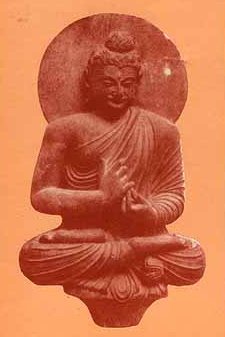
Pali is the language of the Tipiṭaka, which is the sacred canon of Theravāda Buddhism and contains much of the Buddha’s speech. Closeley related to Sanskrit, both languages are used interchangeably between religions.
See also (Relevant definitions)
Relevant text
No search results for Nikhanitva, Nikhaṇitvā; (plurals include: Nikhanitvas, Nikhaṇitvās) in any book or story.