Kamasettha, Kāmasettha, Kāmaseṭṭhā, Kama-settha: 2 definitions
Introduction:
Kamasettha means something in Buddhism, Pali. If you want to know the exact meaning, history, etymology or English translation of this term then check out the descriptions on this page. Add your comment or reference to a book if you want to contribute to this summary article.
In Buddhism
Theravada (major branch of Buddhism)
Source: Pali Kanon: Pali Proper NamesOne of the greater yakkhas who should be invoked if any follower of the Buddha be molested by an evil spirit (D.iii.204).
In the Mahasamaya Sutta (D.ii.258) he is mentioned among the vassals of the Four Great Kings versed in craft, hoodwinking wizards, clever in feigning.
Theravāda is a major branch of Buddhism having the the Pali canon (tipitaka) as their canonical literature, which includes the vinaya-pitaka (monastic rules), the sutta-pitaka (Buddhist sermons) and the abhidhamma-pitaka (philosophy and psychology).
Languages of India and abroad
Pali-English dictionary
Source: Sutta: The Pali Text Society's Pali-English DictionaryKāmaseṭṭhā refers to: (pl.) a class of devas D. II, 258;
Note: kāmaseṭṭhā is a Pali compound consisting of the words kāma and seṭṭhā.
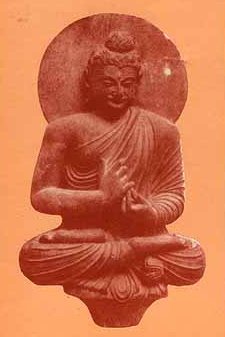
Pali is the language of the Tipiṭaka, which is the sacred canon of Theravāda Buddhism and contains much of the Buddha’s speech. Closeley related to Sanskrit, both languages are used interchangeably between religions.
See also (Relevant definitions)
Relevant text
Search found 1 books and stories containing Kamasettha, Kāmasettha, Kāmaseṭṭhā, Kama-settha, Kāma-seṭṭhā; (plurals include: Kamasetthas, Kāmasetthas, Kāmaseṭṭhās, setthas, seṭṭhās). You can also click to the full overview containing English textual excerpts. Below are direct links for the most relevant articles:
The Book of Protection (by Piyadassi Thera)
Discourse 18 - The Great Assembly < [Discourses]
Discourse 24 - Discourse On Atanatiya < [Discourses]