ye shes dam pa: 1 definition
Introduction:
ye shes dam pa means something in Buddhism, Pali. If you want to know the exact meaning, history, etymology or English translation of this term then check out the descriptions on this page. Add your comment or reference to a book if you want to contribute to this summary article.
In Buddhism
Tibetan Buddhism (Vajrayana or tantric Buddhism)
ye shes dam pa (ཡེ་ཤེས་དམ་པ) (or “the supreme lord”) refers to one of the “Eighteen Texts of the Mind Series” (Tibetan: sems sde bco rgyad)— the earliest known corpus of Dzogchen literature (also: “great perfection” or Atiyoga) in Nyingma Buddhism.—The many lists of the Eighteen Texts that emerged between the 9th and the 14th century differ in their contents, there is no canonical collection of texts within the rNying ma tradition that includes all of the eighteen texts. One list includes [e.g., “The Supreme Lord”; Tibetan: rje btsan dam pa; here as: ye shes dam pa]. It is mentioned in the 14th century “Treasury of Spiritual and Philosophical Systems” (grub mtha' mdzod) by Tibetan scholar Klong chen pa.
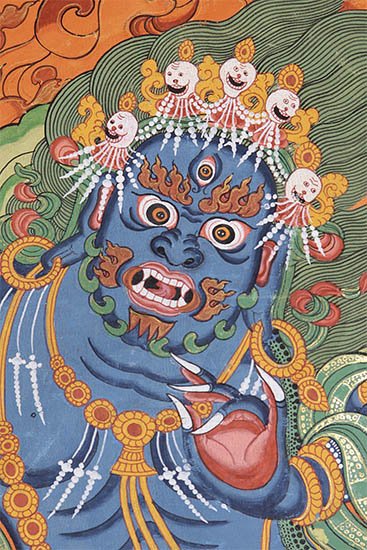
Tibetan Buddhism includes schools such as Nyingma, Kadampa, Kagyu and Gelug. Their primary canon of literature is divided in two broad categories: The Kangyur, which consists of Buddha’s words, and the Tengyur, which includes commentaries from various sources. Esotericism and tantra techniques (vajrayāna) are collected indepently.
See also (Relevant definitions)
Partial matches (+0): shes, Dam, Ye, Pa, Tam.
Full-text (+0): chos gnas pa'i ye shes dam pa, Zui sheng miao fa zhu zhi, Eighteen major scriptures.
Relevant text
Search found 1 books and stories containing ye shes dam pa; (plurals include: ye shes dam pas). You can also click to the full overview containing English textual excerpts. Below are direct links for the most relevant articles:
The Great Chariot (by Longchenpa)
Part 3c.1 - Vipashyana: The way of training < [B. The gradation of powers of those who meditate into high, middle, and low]
Part 2b - The characteristics of students that are to be accepted and rejected < [C. The instruction to rely on these holy ones and abandon what is evil]