Vimamsa, Vimamsā, Vīmaṃsā, Vimāṃsa: 11 definitions
Introduction:
Vimamsa means something in Buddhism, Pali, Hinduism, Sanskrit, Jainism, Prakrit. If you want to know the exact meaning, history, etymology or English translation of this term then check out the descriptions on this page. Add your comment or reference to a book if you want to contribute to this summary article.
In Buddhism
Theravada (major branch of Buddhism)
full understanding through: tīranapariññā, s. pariññā. -
'Investigation' (vīmamsā) is one of the 4 roads to power (iddhipāda, q.v.) and one of the 4 predominants (adhipati; s paccaya 3). -
i. of truth: dhamma-vicaya, is one of the 7 factors of enlightenment (bojjhanga, q.v.).
'investigation, inquiry, pondering', is one of the 4 roads to power (iddhi-pāda) and one of the 4 factors of predominance (s. paccaya 3).
Theravāda is a major branch of Buddhism having the the Pali canon (tipitaka) as their canonical literature, which includes the vinaya-pitaka (monastic rules), the sutta-pitaka (Buddhist sermons) and the abhidhamma-pitaka (philosophy and psychology).
Languages of India and abroad
Pali-English dictionary
vīmaṃsā : (f.) experiment; investigation.
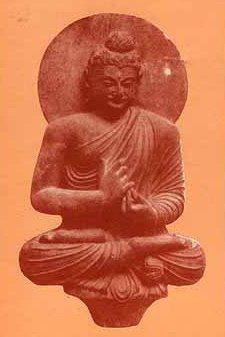
Pali is the language of the Tipiṭaka, which is the sacred canon of Theravāda Buddhism and contains much of the Buddha’s speech. Closeley related to Sanskrit, both languages are used interchangeably between religions.
Sanskrit dictionary
Vimāṃsa (विमांस).—Unclean meat (as of dogs).
Derivable forms: vimāṃsaḥ (विमांसः), vimāṃsam (विमांसम्).
Vimāṃsa (विमांस).—mn.
(-saḥ-saṃ) Unclean meat, as the flesh of dogs, &c. E. vi depreciative prefix, and māṃsa flesh.
Vimāṃsa (विमांस).—[neuter] bad meat.
1) Vimāṃsa (विमांस):—[=vi-māṃsa] [from vi] a n. unclean meat (e.g. the flesh of dogs etc.), [Viṣṇu-smṛti, viṣṇu-sūtra, vaiṣṇava-dharma-śāstra; Yājñavalkya]
2) [v.s. ...] ‘without meat’ in sī-√kṛ, -karoti, to deprive of meat, [Jātakamālā]
3) [=vi-māṃsa] b vi-mātṛ etc. See p.951.
Vimāṃsa (विमांस):—[vi-māṃsa] (saḥ-saṃ) 1. m. Unclean meat.
Vimāṃsa (विमांस):—(2. vi + māṃsa) n. schlechtes Fleisch [Yājñavalkya’s Gesetzbuch 2, 297.]
Sanskrit, also spelled संस्कृतम् (saṃskṛtam), is an ancient language of India commonly seen as the grandmother of the Indo-European language family (even English!). Closely allied with Prakrit and Pali, Sanskrit is more exhaustive in both grammar and terms and has the most extensive collection of literature in the world, greatly surpassing its sister-languages Greek and Latin.
Prakrit-English dictionary
1) Vīmaṃsa (वीमंस) in the Prakrit language is related to the Sanskrit words: Vimṛś, Mīmāsa.
2) Vimaṃsā (विमंसा) also relates to the Sanskrit words: Vimarśa, Mīmāṃsā.
Prakrit is an ancient language closely associated with both Pali and Sanskrit. Jain literature is often composed in this language or sub-dialects, such as the Agamas and their commentaries which are written in Ardhamagadhi and Maharashtri Prakrit. The earliest extant texts can be dated to as early as the 4th century BCE although core portions might be older.
Kannada-English dictionary
Vimāṃsa (ವಿಮಾಂಸ):—[adjective] with little flesh or fat; thin; lean.
--- OR ---
Vimāṃsa (ವಿಮಾಂಸ):—[noun] the flesh of animals that is unfit to be used as food.
Kannada is a Dravidian language (as opposed to the Indo-European language family) mainly spoken in the southwestern region of India.
See also (Relevant definitions)
Partial matches (+0): Mamsa, Vi.
Starts with (+0): Vimamsa Khanda, Vimamsaka, Vimamsaka Sutta, Vimamsana, Vimamsanta, Vimamsasamadhi, Vimamsati, Vimamsaya.
Full-text (+8): Mahavimamsa, Kusalavimamsa, Bhasitatthavimamsa, Khuddakavimamsa, Patisankhanavimamsa, Vadavimamsa, Asappurisavimamsa, Aviparitavimamsa, Paccayavimamsabhisamaya, Paccayavimamsa, Vimamsasamadhi, Appanihitavimokkhapatipakkhata, Mimasa, Vimokkha Sutta, Mimamsa, Vimarsha, Vimrish, Anucarita, Vimamsa Khanda, Chandadhipateyya.
Relevant text
Search found 19 books and stories containing Vimamsa, Vi-mamsa, Vi-māṃsa, Vimamsā, Vīmaṃsā, Vimāṃsa, Vīmaṃsa, Vimaṃsā, Vimāmsa; (plurals include: Vimamsas, mamsas, māṃsas, Vimamsās, Vīmaṃsās, Vimāṃsas, Vīmaṃsas, Vimaṃsās, Vimāmsas). You can also click to the full overview containing English textual excerpts. Below are direct links for the most relevant articles:
The Buddhist Path to Enlightenment (study) (by Dr Kala Acharya)
3.2.4. Psychic Power of Investigation (Vimaṃsiddhipāda or Mimāṃsā) < [Chapter 2 - Five Groups of Factor]
Chapter 5 - Resume and Conclusion
3.3. The Method of Development of Iddhi (Psychic Power) < [Chapter 2 - Five Groups of Factor]
Conditions (by Nina van Gorkom)
Appendix 2 - The Cittas Which Can Be Conascent-predominance-condition
Chapter 3 - Predominace-condition
Dhamma Goes Westward (by Ajahn Chah)
Dhammasangani (by C.A.F. Rhys Davids)
Chapter IV - Degrees Of Efficacy In Good Relating To The Three Kealms < [Part I - Good States Of Consciousness]
Buddhist Perspective on the Development of Social Welfare (by Ashin Indacara)
12. Four Adhipatis (Four Dominating Factors) < [Chapter 1 - The Accomplishment of Persistent Effort and Watchfulness or Protection]
Jataka tales [English], Volume 1-6 (by Robert Chalmers)
Jataka 290: Sīla-Vīmaṃsa-jātaka < [Book III - Tika-Nipāta]