Vedhita, Vedhitā: 12 definitions
Introduction:
Vedhita means something in Hinduism, Sanskrit, Buddhism, Pali, Marathi. If you want to know the exact meaning, history, etymology or English translation of this term then check out the descriptions on this page. Add your comment or reference to a book if you want to contribute to this summary article.
In Hinduism
Shaktism
Vedhita (वेधित) refers to “piercing” (the king of the Gods), as discussed in the Yogakhaṇḍa of the Manthānabhairavatantra, a vast sprawling work that belongs to a corpus of Tantric texts concerned with the worship of the goddess Kubjikā.—Accordingly, [while discussing the Hagiography of Siddha Trivikrama]: “O beloved, there is a famous town, called Puṇḍravardhana, on the great and beautiful Island of the Sun. O venerated by the gods, there is a well known Brahmin there whose name is Trivikrama. He is a Sāmavedin and, as is clearly apparent, he is very powerful and possesses the Command. He performed severe austerities for a thousand divine years and sought knowledge. He looked at the sun and checked its course in the sky and he pierced (vedhita) the king of the gods. As he is thus related (to the Sun), he is called Kiraṇānanda (Bliss of the Sun Rays)”.
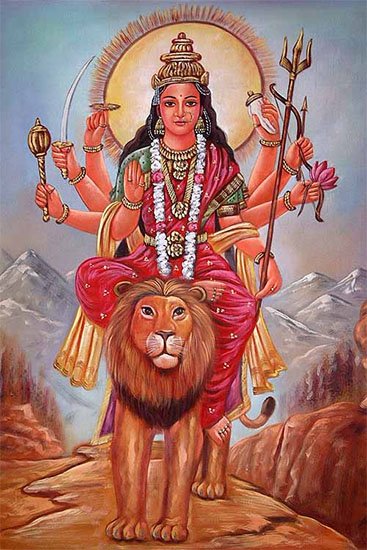
Shakta (शाक्त, śākta) or Shaktism (śāktism) represents a tradition of Hinduism where the Goddess (Devi) is revered and worshipped. Shakta literature includes a range of scriptures, including various Agamas and Tantras, although its roots may be traced back to the Vedas.
Languages of India and abroad
Pali-English dictionary
vedhita : (pp. of vedhati) trembled; quaked.
Vedhitā, (f.) (pp. of vedheti, Caus. of vijjhati) shooting, hitting J. VI, 448. (Page 648)

Pali is the language of the Tipiṭaka, which is the sacred canon of Theravāda Buddhism and contains much of the Buddha’s speech. Closeley related to Sanskrit, both languages are used interchangeably between religions.
Marathi-English dictionary
vēdhita (वेधित).—p S Perforated, bored, pierced, punctured.
vēdhita (वेधित).—p Perforated, bored, pierced.
Marathi is an Indo-European language having over 70 million native speakers people in (predominantly) Maharashtra India. Marathi, like many other Indo-Aryan languages, evolved from early forms of Prakrit, which itself is a subset of Sanskrit, one of the most ancient languages of the world.
Sanskrit dictionary
Vedhita (वेधित).—p. p. Pierced, bored, perforated.
Vedhita (वेधित).—mfn.
(-taḥ-tā-taṃ) Pierced, perforated. E. vyadh to pierce, aff. kta; or vedho jāto’sya tāra0 itac .
Vedhita (वेधित).—v. vyadh.
1) Vedhita (वेधित):—[from vedha] mfn. = -viddha, pierced, perforated, penetrated, [cf. Lexicographers, esp. such as amarasiṃha, halāyudha, hemacandra, etc.]
2) [v.s. ...] shaken, trembling (applied to the earth), [Divyāvadāna]
Vedhita (वेधित):—[(taḥ-tā-taṃ) a.] Pierced.
Vedhita (वेधित):—adj. = viddha (s. u. vyadh) durchbohrt [Amarakoṣa 3, 2, 49.] [Hemacandra’s Abhidhānacintāmaṇi 1486.]
Sanskrit, also spelled संस्कृतम् (saṃskṛtam), is an ancient language of India commonly seen as the grandmother of the Indo-European language family (even English!). Closely allied with Prakrit and Pali, Sanskrit is more exhaustive in both grammar and terms and has the most extensive collection of literature in the world, greatly surpassing its sister-languages Greek and Latin.
Kannada-English dictionary
Vēdhita (ವೇಧಿತ):—[adjective] having a hole bored, drilled.
Kannada is a Dravidian language (as opposed to the Indo-European language family) mainly spoken in the southwestern region of India.
See also (Relevant definitions)
Full-text (+0): Avirajjhanavedhita, Amarmavedhita, Mandavedhita, Tasitavedhita, Marmavedhin, Amarmavedhin, Yong, Vetitam, Vijjhati, Vedhati.
Relevant text
No search results for Vedhita, Vedhitā, Vēdhita; (plurals include: Vedhitas, Vedhitās, Vēdhitas) in any book or story.