Ujjeni, Ujjenī: 7 definitions
Introduction:
Ujjeni means something in Buddhism, Pali, Hinduism, Sanskrit, Jainism, Prakrit, the history of ancient India. If you want to know the exact meaning, history, etymology or English translation of this term then check out the descriptions on this page. Add your comment or reference to a book if you want to contribute to this summary article.
In Hinduism
Shaktism
Ujjenī (उज्जेनी) (cf. Kollāpura) is the name of a sacred site, and one of the places visited by the Goddess on her pilgrimage, according to Tantric texts such as the Kubjikāmata-tantra, the earliest popular and most authoritative Tantra of the Kubjikā cult.—Accordingly, “[The Goddess] went to Devīkoṭa, (arriving there) in a moment, and with a powerful look (āloka) (it became a sacred site. Then she went to) Aṭṭahāsa, (so called) because she laughed (there) loudly. (Then she went to) Kolāgiri, Ujjenī, Prayāga, Varṇā (i.e. Vārāṇasī), Viraja, Ekāmra and other (places) and (then on to) another universe”.
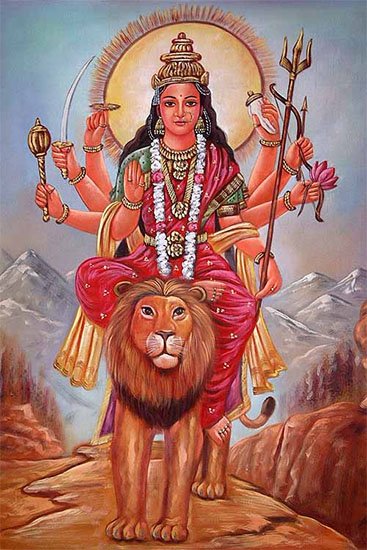
Shakta (शाक्त, śākta) or Shaktism (śāktism) represents a tradition of Hinduism where the Goddess (Devi) is revered and worshipped. Shakta literature includes a range of scriptures, including various Agamas and Tantras, although its roots may be traced back to the Vedas.
In Buddhism
Theravada (major branch of Buddhism)
1. Ujjeni - The capital of Avanti. In the Buddhas time, Canda Pajjota (Vin.i.276; DhA.i.192) was king of Ujjeni and there was friendly intercourse between that city and Magadha, whose king was Seniya Bimbisara. After Bimbisaras death, however, Pajjota seems to have contemplated a war against Ajatasathu. See M.iii.7.
There was an old trade route from Ujjeni to Benares and the merchants of the two cities showed healthy rivalry not only in trade, but also in matters of culture. See, e.g., J.ii.248ff., where the merchants of Benares compare their musician Guttila with Musila, the chief fiddler of Ujjeni.
It was while going with a caravan to Ujjeni, that Sona Kutikanna (4) met the Peta, whose words made him decide to renounce household life (UdA.307f).
The road taken by Bavaris disciples ran through Ujjeni (Sn.v.1011).
Ujjeni was also the birthplace of Maha Kaccana (ThagA.i.483), of Isidasi (Thig.v.405), of Abhaya (ThagA.41) and of the courtesan Padumavati, mother of Abhaya (ThigA.39).
Before succeeding to his fathers throne at Pataliputta, Asoka reigned for several years as Viceroy at Ujjeni, and it was during this period that Mahinda and Sanghamitta were born (Mhv.xiii.10ff; Mbv.99; Sp.i.70).
Mahinda spent six months in Dakkhinagiri Vihara in Ujjeni, prior to his visit to Ceylon (Mhv.xiii.5).
From the same vihara forty thousand monks were present, under the leadership of Maha Sangharakkhita, at the foundation of the Maha Thupa in Anuradhapura (Mhv.xxix.35).
The Jatakas speak of Ujjeni as having been the capital of Avanti from very ancient times. E.g., in J.iv.390, where Avanti Maharaja rules in Ujjeni as capital of Avanti. But in the Mahagovinda Sutta (D.ii.235), Mahissati is mentioned as the capital of Avanti. Perhaps Mahissati lost its importance later and gave place to Ujjeni, for we find Mahissati mentioned just before Ujjeni among the places passed by Bavaris pupils on their way to Savatthi (Sn.v.1011).
Ujjeni is identical with the Greek Ozene, about 77 E. and 23 N. (Bud. India, p.40; see also CAGI, 560, and Beal ii.270 for Hiouen Thsangs description of it).
2. Ujjeni - A city in Ceylon, founded by Vijayas minister Accutagami (Dpv.ix.36; Mhv.vii.45).
3. Ujjeni - A township (nigama), the residence of the bankers daughter Rucinanda, who gave a meal of milk rice to Padumuttara Buddha just before his Enlightenment (BuA.158).
Theravāda is a major branch of Buddhism having the the Pali canon (tipitaka) as their canonical literature, which includes the vinaya-pitaka (monastic rules), the sutta-pitaka (Buddhist sermons) and the abhidhamma-pitaka (philosophy and psychology).
In Jainism
General definition (in Jainism)
Ujjeṇī (उज्जेणी) (in Prakrit) (Sanskrit: Ujjayinī) refers to: Capital of the Avanti (1) country (modern Malwa).1 It was situated at a distance of eighty yojanas from Vīībhaya, the capital of Sindhu-sovīra.2 The following are some of the kings who reigned in this city : Caṇḍapajjoa or Pajjoa,3 Kuṇāla,4 Sampai,5 Balamitta (1),6 Gaddabhilla7 and Jiyasattu (23).8 Aṭṭaṇamalla, the famous wrestler, also belonged to Ujjeṇī.9 This city had five hundred upāśrayas (shelter houses for monks and nuns).10 It also had a big temple known as Mahākāla (3).11 The following ācāryas (preceptors) had visited this city : Vaira (2),12 Mahāgiri,13 Suhatthi (1),14 Caṇḍarudda,15 Rakkhiya (1),16 Bhaddagutta,17 Kālaga (1) 18 and Āsāḍha (2).19 Monk Avantisukumāla also belonged to this city.20 The Sagas (2) were brought here by preceptor Kālaga(1).21 It is identified with modern Ujjain.22 See also Avanti (2).
References and notes:
1. Uttarādhyayana-cūrṇi p. 31, Praśnavyākaraṇa-vṛtti (by Abhayadeva) p. 90, Uttarādhyayana-vṛtti (by Śāntisūri) p. 49.
2. Niśīthasūtra-cūrṇi III. p. 145.
3. Uttarādhyayana-niryukti p. 96, Āvaśyaka-cūrṇi II. p. 159, Sthānāṅga-vṛtti p. 431.
4. Bṛhatkalpa-vṛtti (by Kṣemakīrti) p. 917, Anuyogadvāra-vṛtti (by Haribhadra) p. 10.
5. Kalpasūtra-vṛtti (by Dharmasāgara) pp. 164-5, Niśīthasūtra-cūrṇi II. pp. 361-2.
6. Daśāśrutaskandha-cūrṇi p. 55.
7. Niśīthasūtra-cūrṇi III. p. 59.
8. Ācārāṅga-cūrṇi p. 225.
9. Āvaśyaka-niryukti 1274, Uttarādhyayana-cūrṇi p. 109, Āvaśyaka-cūrṇi II. p. 112.
10. Āvaśyaka-cūrṇi II. p. 196.
11. Āvaśyaka-cūrṇi II. p. 157.
12. Āvaśyaka-cūrṇi I. p. 392.
13. Āvaśyaka-cūrṇi II. p. 157.
14. Bṛhatkalpa-vṛtti (by Kṣemakīrti) p. 918.
15. Āvaśyaka-cūrṇi II. p. 77.
16. Maraṇasamādhi 489.
17. Āvaśyaka-cūrṇi I. p. 394.
18. Uttarādhyayana-niryukti p. 127, Uttarādhyayana-cūrṇi p. 83, Niśīthasūtra-cūrṇi III. p. 131.
19. Niśīthasūtra-cūrṇi I. p. 20, Daśavaikālika-cūrṇi p. 96.
20. Saṃstāraka 65, Maraṇasamādhi 435, Niśīthasūtra-cūrṇi II. p. 90; See also Uttarādhyayana-vṛtti (by Śāntisūri) pp. 85, 213, 218, Uttarādhyayana-vṛtti pp. 31, 38, Āvaśyaka-niryukti 767, 1275-8, 1295, 1304, Bṛhatkalpa-bhāṣya 4219-22, 5115, Āvaśyaka-cūrṇi I. p. 189, 403, 409, 489, 492, 540, II. pp. 154, 157, 162, 164, 202, 283, OghNBh. 26, Uttarādhyayana-cūrṇi pp. 53, 55, 128, Nandisūtra-vṛtti (by Malayagiri) p. 145.
21. Vyavahārasūtra-bhāṣya and Vyavahārasūtra-vṛtti XII. p. 94.
22. Geographical Dictionary of Ancient and Mediaeval India p. 209.

Jainism is an Indian religion of Dharma whose doctrine revolves around harmlessness (ahimsa) towards every living being. The two major branches (Digambara and Svetambara) of Jainism stimulate self-control (or, shramana, ‘self-reliance’) and spiritual development through a path of peace for the soul to progess to the ultimate goal.
India history and geography
Ujjenī (उज्जेनी) refers to the ancient capital of Avanti: one of the sixteen Mahājanapadas of the Majjhimadesa (Middle Country) of ancient India, as recorded in the Pāli Buddhist texts (detailing the geography of ancient India as it was known in to Early Buddhism).—Avanti is mentioned in the Aṅguttara Nikāya as one of the sixteen great Janapadas. From the Dīpavaṃsa we know that Ujjenī, the capital of Avanti, was built by Accutagāmī. Avanti roughly corresponds to modern Mālwa Nimār and adjoining parts of the Central Provinces. Prof. Bhandarkar has rightly pointed out that ancient Avanti was divided into two parts; the northern part had its capital at Ujjenī and the southern part called Avanti Dakṣiṇāpatha had its capital at Māhissatī or Māhiśmatī.
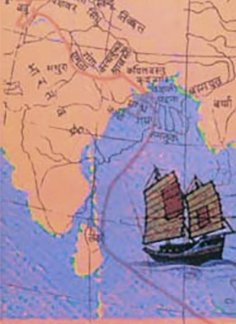
The history of India traces the identification of countries, villages, towns and other regions of India, as well as mythology, zoology, royal dynasties, rulers, tribes, local festivities and traditions and regional languages. Ancient India enjoyed religious freedom and encourages the path of Dharma, a concept common to Buddhism, Hinduism, and Jainism.
Languages of India and abroad
Pali-English dictionary
ujjenī (ဥဇ္ဇေနီ) [(thī) (ထီ)]—
[u+ji+yu+ī.uggaṃ ripuṃ jayatiyattha,sā ujjenī,yu,nadādi.,ṭī.2vava-1]
[ဥ+ဇိ+ယု+ဤ။ ဥဂ္ဂံ ရိပုံ ဇယတိယတ္ထ၊ သာ ဥဇ္ဇေနီ၊ ယု၊ နဒါဒိ။ ဓာန်၊ဋီ။၂ဝဝ-၁]
[Pali to Burmese]
ujjenī—
(Burmese text): (၁) ဥဇ္ဇေနီပြည်၊ ဥဇ္ဇေနီမြို့။ (အဝန္တိတိုင်း၏ မြို့တော ်ဖြစ်သည်၊ မြတ်စွာဘုရားရှိစဉ်က စဏ္ဍပဇ္ဇောတမင်း မင်းပြုဘူးသည်၊ အသောကမင်းကြီး မင်းသားဘဝ၌ ၎င်းမြို့ကို အပိုင်စားရဘူး၍ မဟိန္ဒမင်းသား (အရှင်မဟိန္ဒ)ကို ၎င်းမြို့၌ ဖွားမြင်သည်။ အရှင်မဟာကစ္စာနထေရ်,ဣသိဒါသီထေရီတို့ ဖွားမြင်ရာမြို့လည်း ဖြစ်သည်)။ (၂) ဥဇ္ဇေနီနဂုံး။ ဥဇ္ဇေနိနိဂမ-ကြည့်။ (၃) သီဟိုဠ်ကျွန်းရှိ (အစ္စုတဂါမိ အမတ်ကြီး တည်ထောင်သော) ဥဇ္ဇေနီမြို့။
(Auto-Translation): (1) Uzzani City, Uzzani Region. (This is a town in the Awanti Division, established by the great Buddha during his time, and the city was acquired by King Athakhamana during his reign, where he gave birth to Prince Mahinda (Ashin Mahinda) in this city. It is also the birthplace of Ashin Mahakasapa and Ashin Dhamma-Thera.) (2) Uzzani Naga. Uzzani Nigama - see. (3) Uzzani City on Thihola Island (established by the elder Atisatakam).

Pali is the language of the Tipiṭaka, which is the sacred canon of Theravāda Buddhism and contains much of the Buddha’s speech. Closeley related to Sanskrit, both languages are used interchangeably between religions.
Sanskrit dictionary
Ujjenī (in Sanskrit) can be associated with the following Chinese terms:
1) 鬱支 [yù zhī]: “Ujjenī” [Sanskrit place name].
Sanskrit, also spelled संस्कृतम् (saṃskṛtam), is an ancient language of India commonly seen as the grandmother of the Indo-European language family (even English!). Closely allied with Prakrit and Pali, Sanskrit is more exhaustive in both grammar and terms and has the most extensive collection of literature in the world, greatly surpassing its sister-languages Greek and Latin.
See also (Relevant definitions)
Partial matches (+0): Ji, U, Ao, Yu, Yu, I, Ou.
Starts with (+0): Ujjenaka, Ujjenika, Ujjenikaraja, Ujjeninagara, Ujjeninigama, Ujjenipura, Ujjeniraja, Ujjenirajadhani, Ujjenirajja, Ujjenivasi.
Full-text (+67): Ujjenika, Ujjeninagara, Ujjeniraja, Ujjenirajadhani, Ujjeninigama, Ujjenivasi, Ujjenirajja, Ujjenaka, Avanti, Ujjenipura, Kancanavana, Accutagami, Dakkhinagiri, Rucinanda, Khandakanna, Kudangisaratthana, Urusangharakkhita, Uat chi, Anumatiya, Gopalaa.
Relevant text
Search found 29 books and stories containing Ujjeni, U-ji-yu-i, U-ji-yu-ī, Ujjenī, Ujjeṇī, Ujjēṇī; (plurals include: Ujjenis, is, īs, Ujjenīs, Ujjeṇīs, Ujjēṇīs). You can also click to the full overview containing English textual excerpts. Below are direct links for the most relevant articles:
Maha Buddhavamsa—The Great Chronicle of Buddhas (by Ven. Mingun Sayadaw)
Biography (10): Kaccāyana Mahāthera < [Chapter 43 - Forty-one Arahat-Mahatheras and their Respective Etadagga titles]
Biography (17): Soṇa Kuṭikaṇṇa Mahāthera < [Chapter 43 - Forty-one Arahat-Mahatheras and their Respective Etadagga titles]
Buddha Chronicle 10: Padumuttara Buddhavaṃsa < [Chapter 9 - The chronicle of twenty-four Buddhas]
Vinaya Pitaka (3): Khandhaka (by I. B. Horner)
The story of King Pajjota < [8. Robes (Cīvara)]
Allowance for cut-up cloth < [8. Robes (Cīvara)]
Mahavamsa (by Wilhelm Geiger)
Chapter 13 - The Coming Of Mahinda
Chapter 7 - The Consecrating Of Vijaya
Vasudevahindi (cultural history) (by A. P. Jamkhedkar)
Appendix 9 - Pallis mentioned in the Vasudevahindi
Appendix 7 - Mountains and Hills mentioned in the Vasudevahindi
37. Image Worship in the Jain religion < [Chapter 5 - Religion and Philosophy]
Jataka tales [English], Volume 1-6 (by Robert Chalmers)
Jataka 243: Guttila-jātaka < [Book II - Dukanipāta]
Jataka 498: Citta-Sambhūta-jātaka < [Volume 4]
Lay-Life of India as reflected in Pali Jataka (by Rumki Mondal)
Part 4.2 - Transports (or communications) and Trade routes of ancient India < [Chapter 3 - Reflection of Indian Lay-life in the Jātakas]