Udirayanti, Udīrayantī, Ut-irayanti: 2 definitions
Introduction:
Udirayanti means something in Buddhism, Pali, Hinduism, Sanskrit. If you want to know the exact meaning, history, etymology or English translation of this term then check out the descriptions on this page. Add your comment or reference to a book if you want to contribute to this summary article.
In Buddhism
Mahayana (major branch of Buddhism)
Udīrayantī (उदीरयन्ती) (Cf. Udīrayat) refers to “sounding (a cry)”, according to the Vajratuṇḍasamayakalparāja, an ancient Buddhist ritual manual on agriculture from the 5th-century (or earlier), containing various instructions for the Sangha to provide agriculture-related services to laypeople including rain-making, weather control and crop protection.—Accordingly, [after the Bhagavān reached the lotus-lake near Aḍakavatī], “Then Vairambhaka, a Yakṣa leader belonging to the retinue of Māra, uttered a voice and sounded (udīrayat) a cry in the Triple Thousand Great Thousand Universe, ‘Great dangers have arisen in the world, there is the conflagration of the aeon in seven days. There is nothing here that will not burn completely from the highest point of the universe to Avīci’”.
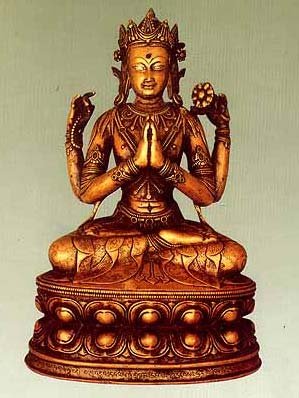
Mahayana (महायान, mahāyāna) is a major branch of Buddhism focusing on the path of a Bodhisattva (spiritual aspirants/ enlightened beings). Extant literature is vast and primarely composed in the Sanskrit language. There are many sūtras of which some of the earliest are the various Prajñāpāramitā sūtras.
Languages of India and abroad
Sanskrit dictionary
Udīrayanti (in Sanskrit) can be associated with the following Chinese terms:
1) 宣說 [xuān shuō]: “explain or transmit the teachings”.
Sanskrit, also spelled संस्कृतम् (saṃskṛtam), is an ancient language of India commonly seen as the grandmother of the Indo-European language family (even English!). Closely allied with Prakrit and Pali, Sanskrit is more exhaustive in both grammar and terms and has the most extensive collection of literature in the world, greatly surpassing its sister-languages Greek and Latin.
See also (Relevant definitions)
Relevant text
Search found 2 books and stories containing Udirayanti, Udīrayantī, Ut-irayanti, Ut-īrayantī, Ud-irayanti, Ud-īrayantī, Udīrayanti; (plurals include: Udirayantis, Udīrayantīs, irayantis, īrayantīs, Udīrayantis). You can also click to the full overview containing English textual excerpts. Below are direct links for the most relevant articles:
Rig Veda (translation and commentary) (by H. H. Wilson)
Notes and Comments < [Purana, Volume 12, Part 1 (1970)]