Uddama, Uddāma: 24 definitions
Introduction:
Uddama means something in Hinduism, Sanskrit, Jainism, Prakrit, Buddhism, Pali, the history of ancient India, Marathi, Hindi. If you want to know the exact meaning, history, etymology or English translation of this term then check out the descriptions on this page. Add your comment or reference to a book if you want to contribute to this summary article.
In Hinduism
Chandas (prosody, study of Sanskrit metres)
Uddāma (उद्दाम) refers to one of the eight kinds of daṇḍaka according to Kavikarṇapūra (C. 16th century) in his Vṛttamālā 61. Kavikarṇapūra was an exponent on Sanskrit metrics belongs to Kāmarūpa (modern Assam). Accordingly, “If there exist thirteen ra-s after two na-s, then it is Uddāma”.
Uddāma (उद्दाम) refers to a variety of Gāthā: one of the oldest Prakrit meters probably developed out of the epic Anuṣṭubh, as discussed in books such as the Chandonuśāsana, Kavidarpaṇa, Vṛttajātisamuccaya and Svayambhūchandas.—Among the metres derived from the Gāthā, Gīti, Upagīti and Udgīti are most important. [...] By adding 1, 2, 4, 6, 8, 10, 12, and 14 caturmātras before the last long letter in the first half of a Gāthā, we respectively get a Jātiphala, Gātha, Udgātha, Vigātha, Avagātha, Saṃgātha, Upagātha and Gāthinī. If more than 14 caturmātras are so added, the metre is called Mālāgātha. In a similar manner, we get Dāma, Uddāma, Vidāma, Avadāma, Saṃdāma, Upadāma and Mālādāma by the addition of 2, 4, 6, 8, 10, 12 and 13 or more caturmātras respectively, before the last long letter in the first half of a Jātiphala.
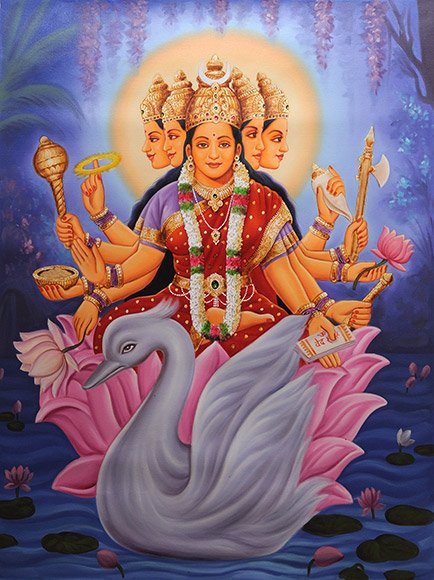
Chandas (छन्दस्) refers to Sanskrit prosody and represents one of the six Vedangas (auxiliary disciplines belonging to the study of the Vedas). The science of prosody (chandas-shastra) focusses on the study of the poetic meters such as the commonly known twenty-six metres mentioned by Pingalas.
Shyanika-shastra (the science of Hawking and Hunting)
Uddāma (उद्दाम) refers to “loud (screams)” (of hares), according to the Śyainika-śāstra: a Sanskrit treatise dealing with the divisions and benefits of Hunting and Hawking, written by Rājā Rudradeva (or Candradeva) in possibly the 13th century.—Accordingly, “Hunting by packs of dogs is that in which dogs are let loose at hares and other animals in arid tracts. [...] The hares scream loudly (ghurghura-uddāma-rāviṇī) and the dogs pursue them; and in a short time there is a great fight tooth and nail. This produces a feeling of the terrible. [...]”.
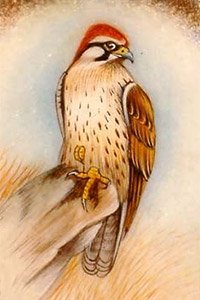
Shyanika-shastra (श्यैनिकशास्त्र, śyainikaśāstra) deals with ancient Indian skill of hawking/falconry (one of the ways of hunting) which were laid down in a systematic manner in various Sanskrit treatises. It also explains the philosophy behind how the pleasures derived from sense-experience could lead the way to liberation.
In Jainism
General definition (in Jainism)
Uddāma (उद्दाम) refers to one of the warriors in Rāvaṇa’s army, according to the Jain Ramayana and chapter 7.7 [The killing of Rāvaṇa] of Hemacandra’s 11th century Triṣaṣṭiśalākāpuruṣacaritra: an ancient Sanskrit epic poem narrating the history and legends of sixty-three illustrious persons in Jainism.—Accordingly, “[...] When the battle had been going on for a long time, the army of the Rākṣasas was broken by the Vānaras like a forest by winds. [...] From anger at the killing of Hasta and Prahasta, [Uddāma, ...] and others in Daśānana’s army advanced. [...] The Rākṣasa Uddāma killed Vighna. [...] Then the soldiers of Rāma and Rāvaṇa returned, purifying their own men, killed and unkilled”.
1) Uddāma (उद्दाम) refers to (1) the “great (tree)” (that is stopping the influx of karma), or (2) the “great (trunk)” (of restraint), according to the 11th century Jñānārṇava, a treatise on Jain Yoga in roughly 2200 Sanskrit verses composed by Śubhacandra.—Accordingly, “Glory to the great tree that is stopping the influx of karma (saṃvara-uddāma-vṛkṣa) whose opponent is conquered, which is rooted in all the rules of conduct for a mendicant, whose great trunk is restraint (saṃyama-uddāma-kāṇḍa) , whose full branches are tranquillity, which is covered with the blossom of virtue [and] is beautiful because of producing whole fruit through the reflections. [Thus ends the reflection on] stopping the influx of karma”.
Synonyms: Utkaṭa, Udāra.
2) Uddāma (उद्दाम) refers to “wanton (women)”, according to the Jñānārṇava.—Accordingly, “Here in the world a whole multitude of objects, and the supremacy that is desired by the chiefs of snakes, men and gods, and other than [that], family, power, prosperity, and wanton women, etc. (subhagatva—kulabalasubhagatvoddāmarāmādi) is easily obtained. On the contrary, that very same jewel of enlightenment alone is difficult to obtain. [Thus ends the reflection on] enlightenment”.

Jainism is an Indian religion of Dharma whose doctrine revolves around harmlessness (ahimsa) towards every living being. The two major branches (Digambara and Svetambara) of Jainism stimulate self-control (or, shramana, ‘self-reliance’) and spiritual development through a path of peace for the soul to progess to the ultimate goal.
India history and geography
Uddāma (उद्दाम) is mentioned in the “Janjirā plates (set I) of Aparājita”. Accordingly, “Uddāma, born in the family of the Kāyasthas, who is a son of Chakkaiya, has indeed written this charter approved by all for the Kramavid Kolama”.
These copper plates (mentioning Uddāma) were discovered by one Bala Tukaram, while digging in the compound of his house at Chikhala-pākhāḍī, a part of Muruḍ Janjirā in the Kolābā District of the Mahārāṣṭra State.The grant was made on the mahāparvan of the solar eclipse which occurred on Sunday, the fifteenth tithi of the dark fortnight of Śrāvaṇa, when the sun was in the zodiacal sign (rāśi) of Siṃha in the cyclic year Vijaya and the expired Śaka year 915.

The history of India traces the identification of countries, villages, towns and other regions of India, as well as mythology, zoology, royal dynasties, rulers, tribes, local festivities and traditions and regional languages. Ancient India enjoyed religious freedom and encourages the path of Dharma, a concept common to Buddhism, Hinduism, and Jainism.
Languages of India and abroad
Pali-English dictionary
uddāma : (adj.) out of bounds; restless.
Uddāma, (fr. ud + dā as in uddāna, see dāma) 1. (adj.) “out of bounds”, unrestrained, restless Dāvs. V, 56 (°sāgara).—2. (n.) wall, enclosure (either as “binding in”, protecting or as equivalent of uddāpa fr. ud + vam “to throw up” in sense of to throw up earth, to dig a mound = udvapati) in phrase aṭṭāla-uddāma-parikhâdīni watchtowers, enceintes, moats etc. DhA. III, 488. (Page 135)
uddāma (ဥဒ္ဒါမ) [(ti) (တိ)]—
[u+dāma]
[ဥ+ဒါမ]
[Pali to Burmese]
uddāma—
(Burmese text): အနှောင်အဖွဲ့-ကြိုး-မှ လွတ်ကင်းသော၊ သူ (ဤ၌မြင်း)။
(Auto-Translation): Free from entanglement - the horse.

Pali is the language of the Tipiṭaka, which is the sacred canon of Theravāda Buddhism and contains much of the Buddha’s speech. Closeley related to Sanskrit, both languages are used interchangeably between religions.
Marathi-English dictionary
uddāma (उद्दाम).—a (S) Bold, forward, daring: also rude, turbulent, overbearing. 2 fig. Firm, stiff, vigorous--a sprout, a plant: large, massy, imposing--a trinket, a gem: bright, glaring, dazzling--a color: strong and overpowering--a smell: deep, full, swelling; or sonorous and powerful--a voice or sound.
uddāma (उद्दाम).—a Bold, forward, rude. Strong or overpowering-smell.
Marathi is an Indo-European language having over 70 million native speakers people in (predominantly) Maharashtra India. Marathi, like many other Indo-Aryan languages, evolved from early forms of Prakrit, which itself is a subset of Sanskrit, one of the most ancient languages of the world.
Sanskrit dictionary
Uddama (उद्दम).—Subduing, overpowering.
Derivable forms: uddamaḥ (उद्दमः).
--- OR ---
Uddāma (उद्दाम).—a.
1) Unbound, unrestrained, unchecked, free, bold; भवन्ति नोद्दामगिरां कवीनाम् (bhavanti noddāmagirāṃ kavīnām) Śiśupālavadha 4.1.
2) (a.) Strong, powerful, violent; कर्मणोद्दामदण्डानामेव स्याद्वशवर्तिनी (karmaṇoddāmadaṇḍānāmeva syādvaśavartinī) (lakṣmīḥ) Pañcatantra (Bombay) 3.148; Mālatīmādhava (Bombay) 3,7; °देहपरिदाहमहाज्वराणि (dehaparidāhamahājvarāṇi) 6.13. (b) Furious, intoxicated; स्त्रोतस्युद्दामदिग्गजे (strotasyuddāmadiggaje) R.1.78; Śiśupālavadha 11.19; Uttararāmacarita 3.6.
3) Dreadful, formidable; °शरीरसंनिवेशः (śarīrasaṃniveśaḥ) Mālatīmādhava (Bombay) 3.
4) Self-willed.
5) Luxuriant, large, great, excessive; उद्दामानि प्रथयति शिलावेश्मभिर्यौवनानि (uddāmāni prathayati śilāveśmabhiryauvanāni) Meghadūta 25; उद्दामोत्कलिकाम् (uddāmotkalikām) Ratnāvalī 2.4,4.22; गन्धोद्दामा धरा (gandhoddāmā dharā) exhaling great smell; Mṛcchakaṭika 5.22.
6) Proud, haughty; पौलस्त्यविजयोद्दाम (paulastyavijayoddāma) Mv.3.45 elated.
7) Unlimited, extra-ordinary.
-maḥ 1 Name of Yama.
2) Name of Varuṇa.
-mam ind. Violently, fiercely, strongly; अद्योद्दामं ज्वलिष्यतः (adyoddāmaṃ jvaliṣyataḥ) Uttararāmacarita 3.9.
Uddāma (उद्दाम).—mfn.
(-maḥ-mā-maṃ) 1. Set free, unbound. 2. Unconstrained, selfwilled. 3. Large, great. 4. Proud, haughty. m.
(-maḥ) A name of Varuna. E. ut priv. dam to tame, and ghañ aff.
Uddāma (उद्दाम).—[adjective] unbound, unrestrained, unlimited, extraordinary, full of (—°). °— & [neuter] [adverb] beyond measure, wildly, exultingly.
1) Uddama (उद्दम):—[=ud-dama] [from ud-dam] m. the act of subduing, taming, [cf. Lexicographers, esp. such as amarasiṃha, halāyudha, hemacandra, etc.]
2) Uddāma (उद्दाम):—[=ud-dāma] mfn. ([from] dāman with 1. ud), unrestrained, unbound, set free
3) [v.s. ...] self-willed
4) [v.s. ...] unlimited, extraordinary
5) [v.s. ...] violent, impetuous, fiery
6) [v.s. ...] wanton
7) [v.s. ...] proud, haughty
8) [v.s. ...] large, great, [Mahābhārata; Meghadūta; Rājataraṅgiṇī] etc.
9) [v.s. ...] m. a particular metre
10) [v.s. ...] ‘one whose noose is raised’, Name of Yama, [cf. Lexicographers, esp. such as amarasiṃha, halāyudha, hemacandra, etc.]
11) [v.s. ...] of Varuṇa, [cf. Lexicographers, esp. such as amarasiṃha, halāyudha, hemacandra, etc.]
Uddāma (उद्दाम):—[ud-dāma] (maḥ-mā-maṃ) a. Set free; large; proud. m. Name of Varuna.
Uddama (उद्दम):—(von dam mit ud) m. Bändigung [VIŚVA im Śabdakalpadruma] u. uddāna .
--- OR ---
Uddāma (उद्दाम):—(ud + dāman)
1) adj. f. ā entfesselt, ungebunden, frei, ungezügelt, ausgelassen, keine Schranken habend, ausserordentlich [Hemacandra’s Abhidhānacintāmaṇi 1466.] [Medinīkoṣa Manu’s Gesetzbuch 40.] vyāviddharasanoddāmāḥ (fem.) [Rāmāyaṇa 5, 13, 25.] uddāmo vane matta iva dvipaḥ [Mahābhārata 3, 11087.] [Rāmāyaṇa 2, 23, 21.] [Raghuvaṃśa 1, 78.] meghatūryaravoddāmamadanākulitān (mayūrān) [Mahābhārata 3, 11583.] yauvanāni [Meghadūta 26.] [Rājataraṅgiṇī 6, 213] (nach [TROYER] Nomen proprium). prasara [Śihlana’s Śāntiśataka 1, 22.] mahāmarumarīcibhiḥ [Kathāsaritsāgara 25, 9.] [Prabodhacandrodaja 81, 10. 13] (Sch.: = khyāta). [116, 1.] mada [Kathāsaritsāgara 13, 18.] ārabdhoddāmakarman [Geschichte des Vidūṣaka 291.] gandhoddāmā (dharā) überaus wohlriechend [Mṛcchakaṭikā 84, 18.] uddāmam adv. ausgelassen, ohne alle Grenzen: noddāmaṃ hasati [Sāhityadarpana 40, 10.] —
2) m. ein Beiname Yama's (der den Strick erhoben hat) [Hemacandra’s Abhidhānacintāmaṇi 38.] [Medinīkoṣa] —
3) m. n. [Siddhāntakaumudī.249], a, [14.]
--- OR ---
Uddāma (उद्दाम):—
1) kāle prāleyavātapracayavikasitoddāmamandāradāmni so v. a. üppig [Spr. 1928.] cāpalā [Kathāsaritsāgara 63, 28. 73, 380. 74, 253. 83, 5. 84, 68. 105, 10. 121, 230.] pranṛtyant [54, 58.] yauvanoddāma strotzend von [89, 96.] ketakoddāma [122, 66.] vāraṇo raṇoddāmaḥ so v. a. kampfbegierig [Spr. 8984.] —
4) ein best. Metrum [Weber’s Indische Studien 8, 409. fg.]
Uddama (उद्दम):—m. Bändigung.
--- OR ---
Uddāma (उद्दाम):——
1) Adj. (f. ā) — a) entfesselt , ungebunden , zügellos , schrankenlos , maasslos. — b) voll — , ganz erfüllt von (im Comp. vorangehend). raṇoddāma kampfbegierig [Indische sprüche 6045.] —
2) m und uddhāma Adv. ungezügelt , ausgelassen , ohne alle Grenzen , wild [Kād. (1872)] II , [91,8.] —
3) m. — a) ein best. Metrum. — b) Beiname — α) *Yama's. — β) *Varuna’s [Galano's Wörterbuch]
Uddāma (उद्दाम) in the Sanskrit language is related to the Prakrit word: Uddāma.
Sanskrit, also spelled संस्कृतम् (saṃskṛtam), is an ancient language of India commonly seen as the grandmother of the Indo-European language family (even English!). Closely allied with Prakrit and Pali, Sanskrit is more exhaustive in both grammar and terms and has the most extensive collection of literature in the world, greatly surpassing its sister-languages Greek and Latin.
Hindi dictionary
Uddāma (उद्दाम) [Also spelled uddam]:—(a) unrestrained, unbound; violent, impetuous; hence ~[tā] (nf).
...
Prakrit-English dictionary
Uddāma (उद्दाम) in the Prakrit language is related to the Sanskrit word: Uddāma.
Prakrit is an ancient language closely associated with both Pali and Sanskrit. Jain literature is often composed in this language or sub-dialects, such as the Agamas and their commentaries which are written in Ardhamagadhi and Maharashtri Prakrit. The earliest extant texts can be dated to as early as the 4th century BCE although core portions might be older.
Kannada-English dictionary
Uddāma (ಉದ್ದಾಮ):—
1) [adjective] celebrated; eminent; distinguished; marked by intellectual depth.
2) [adjective] unrestrained; unchecked; unbound; self-willed.
--- OR ---
Uddāma (ಉದ್ದಾಮ):—[noun] an eminent man; a profound scholar.
Kannada is a Dravidian language (as opposed to the Indo-European language family) mainly spoken in the southwestern region of India.
Nepali dictionary
Uddāma (उद्दाम):—adj. 1. free; out of control; free from obligation; 2. self-willed;
Nepali is the primary language of the Nepalese people counting almost 20 million native speakers. The country of Nepal is situated in the Himalaya mountain range to the north of India.
See also (Relevant definitions)
Partial matches (+0): Ud, U, Dama, Ou, Tama.
Starts with (+3): Uddamadhama, Uddamaheshvara, Uddamaheshvaratantra, Uddamakanda, Uddamam, Uddamamandira, Uddaman, Uddamapamdita, Uddamara, Uddamarama, Uddamaramahashastrasaroddhara, Uddamaratantra, Uddamareshvara, Uddamareshvaratantra, Uddamaria, Uddamarin, Uddamarita, Uddamatana, Uddamate, Uddamateveru.
Full-text (+10): Uddamam, Uddam, Dama, Uddamavriksha, Ud, Uddamaya, Uddamarama, Uddamamandira, Uddamakanda, Uddaman, Chakkaiya, Uddapa, Vishrinkhala, Ghurghura, Ravini, Ravi, Dandaka, Vighna, Utkata, Kamada.
Relevant text
Search found 12 books and stories containing Uddama, U-dama, U-dāma, Ud-dama, Ud-dāma, Uddāma; (plurals include: Uddamas, damas, dāmas, Uddāmas). You can also click to the full overview containing English textual excerpts. Below are direct links for the most relevant articles:
Kathasaritsagara [Sanskrit/English] (by C. H. Tawney)
Dictionaries of Indian languages (Kosha)
Page 67 < [Hindi-English-Nepali (1 volume)]
Page 255 < [Hindi-Gujarati-English Volume 1]
Page 250 < [Hindi-Marathi-English Volume 1]
Vritta-ratnakara by Kedara Bhatta (English translation) (by Mawatagama Pemananda Thero)
Part 27 - Dandaka Chandas (varna, bheda) < [Third Adhyaya (Chapter 3)—Samavritta-adhikara (syllabic even metres)]
Chaitanya Bhagavata (by Bhumipati Dāsa)
Verse 3.3.192 < [Chapter 3 - Mahāprabhu’s Deliverance of Sarvabhauma, Exhibition of His Six-armed Form, and Journey to Bengal]
Verse 1.1.15 < [Chapter 1 - Summary of Lord Gaura’s Pastimes]
Verse 3.5.729 < [Chapter 5 - The Pastimes of Nityānanda]
Sahitya-kaumudi by Baladeva Vidyabhushana (by Gaurapada Dāsa)
Text 7.122 < [Chapter 7 - Literary Faults]
Text 10.178 < [Chapter 10 - Ornaments of Meaning]
Indian Antiquary (a journal of oriental research) (by Jas Burgess)
On a Prakrit glossary entitled Paiyalachhi < [Volume 2 (1873)]