Triumph: 1 definition
Introduction:
Triumph means something in Hinduism, Sanskrit. If you want to know the exact meaning, history, etymology or English translation of this term then check out the descriptions on this page. Add your comment or reference to a book if you want to contribute to this summary article.
Images (photo gallery)

In Hinduism
Natyashastra (theatrics and dramaturgy)
Triumph (expression) is associated with Prasārita: one of the “five kinds of side-movements” (in Sanskrit Dramas), as conveyed through Āṅgikābhinaya: one of the four divisions of Abhinaya or “ways to convey or represent one’s emotion to others”, according to the Nāṭyaśāstra and the Viṣṇudharmottarapurāṇa, an ancient Sanskrit text which (being encyclopedic in nature) deals with a variety of cultural topics such as arts, architecture, music, grammar and astronomy.—The āṅgikābhinaya includes the histrionic representation of the limbs which is simply known as physical gestures. There are five kinds of side movements accepted in the Viṣṇudharmottarapurāṇa. The prasārita movement shows triumph, happiness and joy. The term prasārita means expanded.
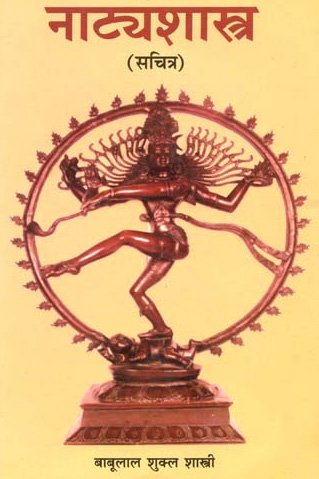
Natyashastra (नाट्यशास्त्र, nāṭyaśāstra) refers to both the ancient Indian tradition (shastra) of performing arts, (natya—theatrics, drama, dance, music), as well as the name of a Sanskrit work dealing with these subjects. It also teaches the rules for composing Dramatic plays (nataka), construction and performance of Theater, and Poetic works (kavya).
See also (Relevant definitions)
Full-text (+209): Vijaya, Anna, Arinandana, Jayapatra, Sujaya, Jaitriya, Jaitra, Phatte, Vijayasiddhi, Vijiti, Vijay, Zhan wu bu sheng, Ajaya, Vijitasabbakilesapatipakkha, Thera, Vijayati, Jitanjaya, Duhkha, Ban shi, Jitabaji.
Relevant text
Search found 201 books and stories containing Triumph, Triumphs; (plurals include: Triumphs, Triumphses). You can also click to the full overview containing English textual excerpts. Below are direct links for the most relevant articles:
Hayanaratna: The Jewel of Annual Astrology (by Martin Gansten)
12. The Eleventh House (lābha-bhāva) < [Chapter 6 - Judging the Twelve Houses]
11. The Tenth House (daśama-bhāva) < [Chapter 6 - Judging the Twelve Houses]
2. The First House (tanu-bhāva) < [Chapter 6 - Judging the Twelve Houses]
Dictionaries of Indian languages (Kosha)
Page 1158 < [English-Urdu-Hindi (1 volume)]
Page 658 < [Bengali-Hindi-English, Volume 1]
Page 400 < [English-Urdu-Hindi (1 volume)]
Triumph of Love in Sri Aurobindo's Plays < [April - June 1975]
Current Topics < [January-February 1931]
The Agony and the Ecstasy < [January – March, 1978]
Popular Literature in Ancient Egypt (by Alfred Wiedemann)
Kuntaka’s evaluation of Sanskrit literature (by Nikitha. M)
6. Gāthāsaptaśatī in Kuntaka’s treatment < [Chapter 6 - Kuntaka’s assessment of Verses Cited in Śatakas and Anthologies]
4. Gauḍavaho in Kuntaka’s treatment < [Chapter 3 - Kuntaka’s estimation of Mahākāvyas of other Poets]
6. Mudrārākṣasa in Kuntaka’s treatment < [Chapter 4 - Kuntaka’s evaluation of Sanskrit Plays of other Poets]
Melito of Sardis on Tyranny and the Reign of Marcus Aurelius < [Volume 15, Issue 6 (2024)]
Rituals of Victory < [Volume 13, Issue 5 (2022)]
The Third Conquest of Constantinople < [Volume 16, Issue 4 (2025)]