Titthanta, Tiṭṭhanta: 3 definitions
Introduction:
Titthanta means something in Buddhism, Pali. If you want to know the exact meaning, history, etymology or English translation of this term then check out the descriptions on this page. Add your comment or reference to a book if you want to contribute to this summary article.
Languages of India and abroad
Pali-English dictionary
tiṭṭhanta : (pr.p. of tiṭṭhati) standing; staying.
tiṭṭhanta (တိဋ္ဌန္တ) [(ti) (တိ)]—
[ṭhā+a+anta.thī-nitea tiṭṭhantī]
[ဌာ+အ+အန္တ။ ထီ-၌ တိဋ္ဌန္တီ]
[Pali to Burmese]
tiṭṭhanta—
(Burmese text): (က) ရပ်သော။ (ခ) တည်နေသော။ (ဂ) ထင်ရှားရှိသော၊ မပျောက်-မကွယ်-သေးသော။
(Auto-Translation): (a) Standing. (b) Established. (c) Prominent, not disappearing or hidden.
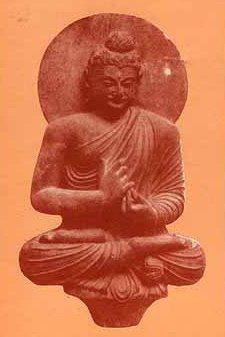
Pali is the language of the Tipiṭaka, which is the sacred canon of Theravāda Buddhism and contains much of the Buddha’s speech. Closeley related to Sanskrit, both languages are used interchangeably between religions.
See also (Relevant definitions)
Partial matches (+0): A, Anta, Tha, Ta.
Starts with (+0): Titthagu, Titthantaraladdhika, Titthatthana.
Full-text (+0): Utthahanta, Patitthanta, Avatitthanta, Titthatthana, Titthagu, Uttitthanta.
Relevant text
Search found 1 books and stories containing Titthanta, Tha-a-anta, Ṭhā-a-anta, Tiṭṭhanta; (plurals include: Titthantas, antas, Tiṭṭhantas). You can also click to the full overview containing English textual excerpts. Below are direct links for the most relevant articles:
Majjhima Nikaya (Middle Discourses)
Discourse 71: To Vacchagotta on the Three Knowledges < [Paribbājaka-vagga: The Chapter on Wanderers]