Tilodaka, Tila-udaka: 13 definitions
Introduction:
Tilodaka means something in Hinduism, Sanskrit. If you want to know the exact meaning, history, etymology or English translation of this term then check out the descriptions on this page. Add your comment or reference to a book if you want to contribute to this summary article.
In Hinduism
Purana and Itihasa (epic history)
Tilodaka (तिलोदक) represents the food taken in the month Āṣāḍha for the Anaṅgatrayodaśī-Vrata, according to the 10th century Saurapurāṇa: one of the various Upapurāṇas depicting Śaivism.—Accordingly, the Anaṅgatrayodaśī-vrata is observed in honour of Śiva for acquiring virtue, great fortune, wealth and for destruction of sins [...] This vrata is to be performed for a year from Mārgaśīra.—In Āṣāḍha, the tooth-brush is that of malatī-wood. The food taken is tilodaka. The deity to be worshipped is Umābhartṛ. The flowers used in worship are kadaṃba. The naivedya offerings is pañcakhadya. The result accrued equals puṇḍarīka.

The Purana (पुराण, purāṇas) refers to Sanskrit literature preserving ancient India’s vast cultural history, including historical legends, religious ceremonies, various arts and sciences. The eighteen mahapuranas total over 400,000 shlokas (metrical couplets) and date to at least several centuries BCE.
Shaktism
Tilodaka (तिलोदक) refers to “sesame seeds”, according to the Manthānabhairavatantra, a vast sprawling work that belongs to a corpus of Tantric texts concerned with the worship of the goddess Kubjikā.—Accordingly, “I will (now) talk about the offering of libation (tarpaṇa) to the deities in the gathering (melaka), sacred seats, primary and secondary, the fields, or in the maṇḍala and in the middle of the wheel. Libation should be offered (in these places) with the waters of meat, liquor, kuśa grass and sesame seeds [i.e., tilodaka]. The gods who are fierce, tranquil and valorous are (all) pleased by this”.
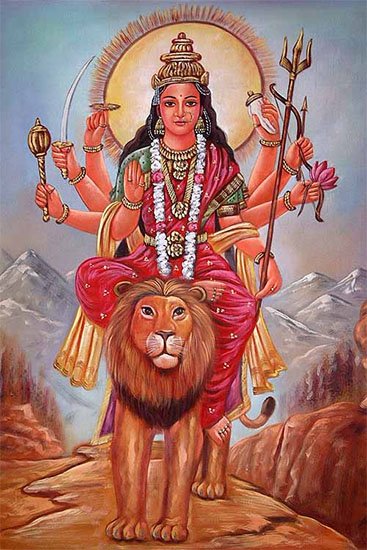
Shakta (शाक्त, śākta) or Shaktism (śāktism) represents a tradition of Hinduism where the Goddess (Devi) is revered and worshipped. Shakta literature includes a range of scriptures, including various Agamas and Tantras, although its roots may be traced back to the Vedas.
Languages of India and abroad
Sanskrit dictionary
Tilodaka (तिलोदक).—water with sesamum seed offered to the dead as a libation; एते यदा मत्सुहृदोस्तिलापः (ete yadā matsuhṛdostilāpaḥ) Bhāgavata 1.12.15; श्राद्धानि नोऽधिभुजे प्रसभं तनूजैर्दत्तानि तीर्थसमयेऽप्यपिबत्तिलाम्बु (śrāddhāni no'dhibhuje prasabhaṃ tanūjairdattāni tīrthasamaye'pyapibattilāmbu) Bhāgavata 7.8.45; Ś.3; तेषो दत्त्वा तु हस्तेषु सपवित्रं तिलोकदम् (teṣo dattvā tu hasteṣu sapavitraṃ tilokadam) Manusmṛti 3.223.
Derivable forms: tilodakam (तिलोदकम्).
Tilodaka is a Sanskrit compound consisting of the terms tila and udaka (उदक). See also (synonyms): tilāp, tilāmbu.
Tilodaka (तिलोदक).—n.
(-kaṃ) Sesamum seeds and water, as an oblation. E. tila, and udaka water.
Tilodaka (तिलोदक).—n. water with sesame, [Mānavadharmaśāstra] 3, 223.
Tilodaka is a Sanskrit compound consisting of the terms tila and udaka (उदक).
Tilodaka (तिलोदक).—[neuter] = tilāmbu.
Tilodaka (तिलोदक):—[from tila > til] n. ([Pāṇini 6-2, 96; Kāśikā-vṛtti]) = lāmbu, [Gobhila-śrāddha-kalpa iv; Manu-smṛti; Mahābhārata; Mārkaṇḍeya-purāṇa]
Tilodaka (तिलोदक):—[tilo+daka] (kaṃ) 1. n. An oblation of sesamum seed and water.
Tilodaka (तिलोदक):—und tilodaka (tila + udaka) n. Wasser mit Sesam [Pāṇini’s acht Bücher 6, 2, 96,] [Scholiast] [GOBH. 4, 2, 24.] [Manu’s Gesetzbuch 3, 223.] pitṝṇāṃ ca tilodakam [Mahābhārata 13, 6026.] [Mārkāṇḍeyapurāṇa 30, 10.]
Tilodaka (तिलोदक):—n. Wasser mit Sesam.
Tilodaka (तिलोदक) in the Sanskrit language is related to the Prakrit words: Tilodaga, Tilodaya.
Sanskrit, also spelled संस्कृतम् (saṃskṛtam), is an ancient language of India commonly seen as the grandmother of the Indo-European language family (even English!). Closely allied with Prakrit and Pali, Sanskrit is more exhaustive in both grammar and terms and has the most extensive collection of literature in the world, greatly surpassing its sister-languages Greek and Latin.
Kannada-English dictionary
Tilōdaka (ತಿಲೋದಕ):—[noun] = ತಿಲಾಂಜಲಿ - [tilamjali -] 1.
Kannada is a Dravidian language (as opposed to the Indo-European language family) mainly spoken in the southwestern region of India.
Nepali dictionary
Tilodaka (तिलोदक):—n. → तिलाञ्जली [tilāñjalī]
Nepali is the primary language of the Nepalese people counting almost 20 million native speakers. The country of Nepal is situated in the Himalaya mountain range to the north of India.
See also (Relevant definitions)
Partial matches (+0): Udaka, Tila.
Full-text (+0): Tilotakam, Tilanjuli, Tilodak, Tilodaya, Tilodaga, Tilap, Tilambu, Udaka, Umabhartri, Tilanjali, Pancakhadya, Sic, Malati, Kadamba, Anangatrayodashi.
Relevant text
Search found 12 books and stories containing Tilodaka, Tila-udaka, Tilōdaka; (plurals include: Tilodakas, udakas, Tilōdakas). You can also click to the full overview containing English textual excerpts. Below are direct links for the most relevant articles:
A Descriptive Catalogue of the Sanskrit Manuscripts, Madras (by M. Seshagiri Sastri)
Jnaneshwari (Bhavartha Dipika) (by Ramchandra Keshav Bhagwat)
Verse 1.42 < [Chapter 1 - Arjuna’s Dolour]
Notices of Sanskrit Manuscripts (by Rajendralala Mitra)
Page 144 < [Volume 2 (1872)]
Saura-purana (analytical study) (by Priyanku Chakraborty)
Part 9.3 - Description of the Anaṅgatrayodaśī-vrata < [Chapter 2 - A Brief Discourse on the Saura-purāṇa]
Inscriptions of Orissa (Rajaguru) (by Shri Satyanarayana Rajguru)
Part 51 - Khillingar plates of Kalyanadevi < [Section 1 - The Gangas of Kalinganagara]
Abhijnana Shakuntalam (Sanskrit and English) (by Saradaranjan Ray)
Chapter 3 - Tritiya-anka (tritiyo'nkah) < [Abhijnana Shakuntalam (text, translation, notes)]