Tantroddesha, Tantroddeśa, Tantra-uddesha: 1 definition
Introduction:
Tantroddesha means something in Hinduism, Sanskrit. If you want to know the exact meaning, history, etymology or English translation of this term then check out the descriptions on this page. Add your comment or reference to a book if you want to contribute to this summary article.
In Hinduism
Pancaratra (worship of Nārāyaṇa)
Tantroddeśa (तन्त्रोद्देश) (lit. “synopsis of the subject-matter of the text”), chapter 1 of the Viṣṇusaṃhitā: a Sanskrit text written in 2600 verses which covers typical Pāñcarātra topics through a narrative dialogue between Aupagāyana and Siddha Sumati.
Description of the chapter [tantroddeśa]: The scene is the peak of Śrīśaila [=Tirupati mountain] where a Siddha-saint named Sumati—a man of great learning in Tantras who now lives in seclusion there having “returned” recently from Viṣṇuloka—is seated. He is paid a visit by Aupagāyana (1-10). The Siddha-saint (henceforth called Siddha) is asked by the visitor about the mantra-formula he learned from his own teacher Raibhya, and what good effects it has had. Siddha’s elaborate answer (13-19) is to trace out how, by its power, he attained a vision of Viṣṇu (18-20). In this divine encounter with the Lord, he reports he was told to read and otherwise to prepare himself for a proper initiation. This he did. In the course of his preparation, he mentions (24-35a) that he read an Īśvara-saṃhitā of 12 chapters which was taught to him by Śiva and instructed him in viṣṇupūjā without bījamantra; a Brahma-saṃhitā of 32 chapters which was taught to him by Brahma and instructed him in worship either accompanied by or without bījamantra, and a Viṣṇu-saṃhitā of 108 chapters divided into four pādas taught to him by Viṣṇu and instructing him in the bījamantra and its uses in worship. Having prepared himself by such reading he was later taken to Viṣṇuloka where Viṣṇu commented upon the former instruction in the form of a 30-chapter work—which is the present work (35b- 50). This 30-chapter version contains, further, all the secrets of salvation; further, coming from Viṣṇu Himself, it is of utmost authority (51-52).
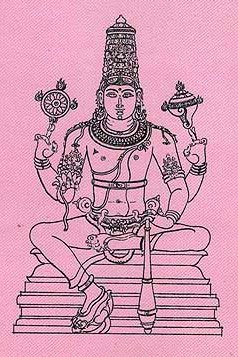
Pancaratra (पाञ्चरात्र, pāñcarātra) represents a tradition of Hinduism where Narayana is revered and worshipped. Closeley related to Vaishnavism, the Pancaratra literature includes various Agamas and tantras incorporating many Vaishnava philosophies.
See also (Relevant definitions)
Partial matches (+0): Uddesha, Tantra.
Full-text (+0): Raibhya, Sumati, Shrishaila, Tirupati, Uddisati, Aupagayana.
Relevant text
No search results for Tantroddesha, Tantroddeśa, Tantra-uddeśa, Tantra-uddesha, Tantroddesa, Tantra-uddesa; (plurals include: Tantroddeshas, Tantroddeśas, uddeśas, uddeshas, Tantroddesas, uddesas) in any book or story.