Sunasa, Sunāsa, Sunasā, Sunāsā: 8 definitions
Introduction:
Sunasa means something in Hinduism, Sanskrit. If you want to know the exact meaning, history, etymology or English translation of this term then check out the descriptions on this page. Add your comment or reference to a book if you want to contribute to this summary article.
In Hinduism
Purana and Itihasa (epic history)
Source: Cologne Digital Sanskrit Dictionaries: The Purana IndexSunāsa (सुनास).—The city of Kālakeyas; on the Devakūṭa in Maryāda parvata.*
- * Vāyu-purāṇa 40. 11-15.
Sunasā (सुनसा) refers to the name of a River mentioned in the Mahābhārata (cf. VI.10.30). Note: The Mahābhārata (mentioning Sunasā) is a Sanskrit epic poem consisting of 100,000 ślokas (metrical verses) and is over 2000 years old.

The Purana (पुराण, purāṇas) refers to Sanskrit literature preserving ancient India’s vast cultural history, including historical legends, religious ceremonies, various arts and sciences. The eighteen mahapuranas total over 400,000 shlokas (metrical couplets) and date to at least several centuries BCE.
Shaktism (Shakta philosophy)
Source: Google Books: ManthanabhairavatantramSunāsā (सुनासा) refers to “she who has a beautiful nose”, according to the Kularatnoddyota, one of the earliest Kubjikā Tantras.—Accordingly, “[...] (The gross form has) five faces, ten arms and, pure, it has a smiling face. [...] She has beautiful eyebrows and nose [i.e., sunāsā] and long eyes. (Her) hair is tied together in a topknot. She has beautiful ears, hands and cheeks and is adorned with beautiful earrings. She has beautiful arms, throat and heart and her breasts are fat and upraised. The middle part (of her belly) is crinkled with three (charming) folds and she is adorned with a line of hair (that travels down from the navel). [...]”.
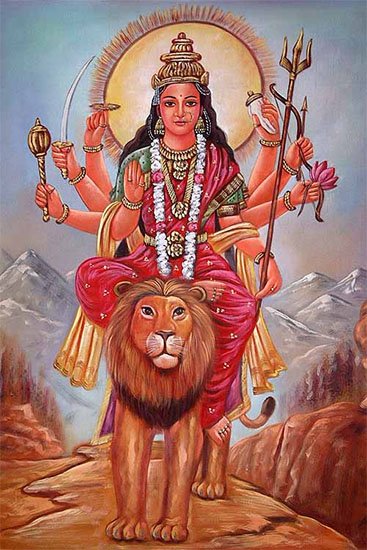
Shakta (शाक्त, śākta) or Shaktism (śāktism) represents a tradition of Hinduism where the Goddess (Devi) is revered and worshipped. Shakta literature includes a range of scriptures, including various Agamas and Tantras, although its roots may be traced back to the Vedas.
Ayurveda (science of life)
Toxicology (Study and Treatment of poison)
Source: Shodhganga: Kasyapa Samhita—Text on Visha ChikitsaSunāsa (सुनास) refers to one of the sixteen varieties of “rats” (Ākhu or Mūṣika), according to the Kāśyapa Saṃhitā: an ancient Sanskrit text from the Pāñcarātra tradition dealing with both Tantra and Viṣacikitsā—an important topic from Āyurveda which deals with the study of Toxicology (Viṣavidyā or Sarpavidyā).—The Kāśyapasaṃhitā seems to consider rat poison as the next powerful one, seriously affecting human beings. Kāśyapa gives antidotes for the 16 varieties of rats (e.g., Sunāsa). The author follows this up with certain general instructions in tackling poisons.
Symptoms of Sunāsa: Fever, blabbering, horripilation, pain in the posterior joints.
Treatment (Antidote) of Sunāsa: External application or lepa of Aṅkola root aloong with fumigation of its leaves is prescribed. A drink of powdered Aṅkola and Kāśmarī roots is recommended. Food to be served with oil.
Āyurveda (आयुर्वेद, ayurveda) is a branch of Indian science dealing with medicine, herbalism, taxology, anatomy, surgery, alchemy and related topics. Traditional practice of Āyurveda in ancient India dates back to at least the first millenium BC. Literature is commonly written in Sanskrit using various poetic metres.
Languages of India and abroad
Sanskrit dictionary
Source: Cologne Digital Sanskrit Dictionaries: Cappeller Sanskrit-English DictionarySunasa (सुनस).—[adjective] handsome-nosed.
--- OR ---
Sunāsa (सुनास).—[adjective] = sunasa.
Source: Cologne Digital Sanskrit Dictionaries: Monier-Williams Sanskrit-English Dictionary1) Sunasa (सुनस):—[=su-nasa] [from su > su-nakṣatra] mfn. having a beautiful nose, [Mahābhārata; Bhāgavata-purāṇa]
2) Sunasā (सुनसा):—[=su-nasā] [from su-nasa > su > su-nakṣatra] f. Name of a river, [Mahābhārata]
3) Sunāsa (सुनास):—[=su-nāsa] [from su > su-nakṣatra] mfn. = -nasa, [Bhāgavata-purāṇa]
Source: Cologne Digital Sanskrit Dictionaries: Yates Sanskrit-English DictionarySunāsa (सुनास):—[su-nāsa] (saḥ-sā-saṃ) a. Having a fine nose.
[Sanskrit to German]
Sanskrit, also spelled संस्कृतम् (saṃskṛtam), is an ancient language of India commonly seen as the grandmother of the Indo-European language family (even English!). Closely allied with Prakrit and Pali, Sanskrit is more exhaustive in both grammar and terms and has the most extensive collection of literature in the world, greatly surpassing its sister-languages Greek and Latin.
See also (Relevant definitions)
Partial matches: Nasa, Cu, Shu.
Starts with: Cunacamay, Sunasakshibhruva, Sunasana, Sunashara.
Full-text: Sunasika, Sunasakshibhruva, Bhruva, Alapa, Kashmari, Kashmarimula, Akhu, Nasa.
Relevant text
Search found 6 books and stories containing Sunasa, Su-nasā, Su-nasa, Su-nāsa, Su-nāsā, Sunāsa, Sunasā, Sunāsā; (plurals include: Sunasas, nasās, nasas, nāsas, nāsās, Sunāsas, Sunasās, Sunāsās). You can also click to the full overview containing English textual excerpts. Below are direct links for the most relevant articles:
The Padma Purana (by N.A. Deshpande)
Chapter 6 - Bhāratavarṣa: Its Rivers and Regions < [Section 3 - Svarga-khaṇḍa (section on the heavens)]
List of Mahabharata people and places (by Laxman Burdak)
The Nilamata Purana (by Dr. Ved Kumari)
Mahabharata (English) (by Kisari Mohan Ganguli)
Section IX < [Jambukhanda Nirmana Parva]
The Skanda Purana (by G. V. Tagare)
Chapter 259 - Prayer to the Bull < [Section 1 - Tīrtha-māhātmya]
The Vishnu Purana (by Horace Hayman Wilson)