Speculation: 2 definitions
Introduction:
Speculation means something in Hinduism, Sanskrit. If you want to know the exact meaning, history, etymology or English translation of this term then check out the descriptions on this page. Add your comment or reference to a book if you want to contribute to this summary article.
In Hinduism
Natyashastra (theatrics and dramaturgy)
Speculation (as a quality) in Indian dramas, is denoted by the Sanskrit term Tarka and is classified as one of the various “transitory feelings of mind” (sañcāribhāva) in Indian Dramas, according to the Sāhityadarpaṇa.—The state of utsāha is the sthāyībhāva of vīrarasa. It increases energy and excitement to mind and projects the heroic sentiment through the sañcāribhāvas i.e., transitory feelings of mind like, e.g., tarka (speculation).
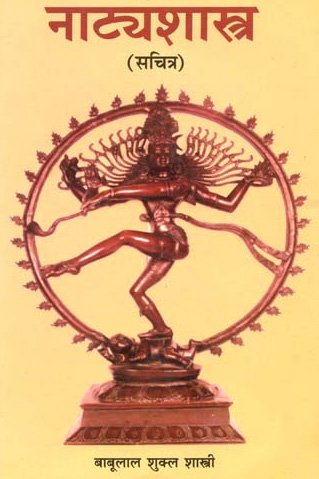
Natyashastra (नाट्यशास्त्र, nāṭyaśāstra) refers to both the ancient Indian tradition (shastra) of performing arts, (natya—theatrics, drama, dance, music), as well as the name of a Sanskrit work dealing with these subjects. It also teaches the rules for composing Dramatic plays (nataka), construction and performance of Theater, and Poetic works (kavya).
Yoga (school of philosophy)
(Philosophical) Speculation is denoted by the Sanskrit term Vitarka, according to the Amanaska Yoga treatise dealing with meditation, absorption, yogic powers and liberation.—Accordingly, as Īśvara says to Vāmadeva: “[...] Some have intellects which have become insensitive through reasoning and [philosophical] speculations (vitarka), [and some] are elevated by [their] conceit and ego. Some are self-satisfied with pride, [rendered] stupid by [their obsession with] caste, and [some] are confounded by activities such as meditation. Generally speaking, the multitudes of people have deluded minds and various [mental] disturbances, for, those who experience nothing but the bliss of the undisturbed, natural [no-mind] state, are not seen in the world. [...]”.
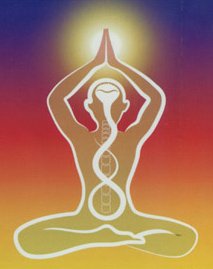
Yoga is originally considered a branch of Hindu philosophy (astika), but both ancient and modern Yoga combine the physical, mental and spiritual. Yoga teaches various physical techniques also known as āsanas (postures), used for various purposes (eg., meditation, contemplation, relaxation).
See also (Relevant definitions)
Full-text (+209): Tarkin, Tarka, Prahana, Atta Ditthi, Kutarka, Havabhari, Tarkajvala, Phataka, Ditthigahana, Ditthisamyojana, Kacata, Ghorankara, Jhengata, Vitarka, Khenkatem, Ghalamela, Kalpanagaurava, Channa, Tou ji dao ba, Fatka.
Relevant text
Search found 319 books and stories containing Speculation, Speculations; (plurals include: Speculations, Speculationses). You can also click to the full overview containing English textual excerpts. Below are direct links for the most relevant articles:
The Complete Works of Swami Vivekananda (by Srila Narayana Maharaja)
Los Angeles Herald, December 13, 1899 < [Part I: American Newspaper Reports]
The Science of Yoga < [Notes of Lectures]
The Real Nature of Man < [Jnana-Yoga]
Shurangama Sutra (with commentary) (English) (by Hsuan Hua)
Four theories regarding finiteness < [Chapter 5 - The Formations Skandha]
Four upside-down theories < [Chapter 5 - The Formations Skandha]
Four kinds of sophistry < [Chapter 5 - The Formations Skandha]
Vakyapadiya of Bhartrihari (by K. A. Subramania Iyer)
Verse 1.8 < [Book 1 - Brahma-kāṇḍa (or Āgama-samuccaya)]
Verse 3.6.25 < [Book 3 - Pada-kāṇḍa (6): Dik-samuddeśa (On Position)]
Verse 3.6.24 < [Book 3 - Pada-kāṇḍa (6): Dik-samuddeśa (On Position)]
A History of Indian Philosophy Volume 1 (by Surendranath Dasgupta)
Part 6 - The Āraṇyakas < [Chapter II - The Vedas, Brāhmaṇas And Their Philosophy]
Part 13 - Knowledge as Revelation < [Chapter VI - The Jaina Philosophy]
Part 1 - In what Sense is a History of Indian Philosophy possible? < [Chapter IV - General Observations On The Systems Of Indian Philosophy]
Yoga Upanishads (study) (by Heena B. Kotak)
Part 10 - Origin and Development of Upanishadic Thoughts < [Chapter 1 - Introduction]
Part 14 - Origin and History of Yoga Shastra < [Chapter 1 - Introduction]
Part 11 - Major and Minor Upanishads < [Chapter 1 - Introduction]
Tattvasangraha [with commentary] (by Ganganatha Jha)
Verse 2746 < [Chapter 24b - Arguments against the reliability of the Veda (the Revealed Word)]