Sina, Shì nà, Shi na, Shì ná, Shina, Sī nà, Si na, Sīna, Śīna, Siṅa, Sinā, Sīṅa: 20 definitions
Introduction:
Sina means something in Buddhism, Pali, Christianity, Hinduism, Sanskrit, Marathi, Jainism, Prakrit, Hindi, biology. If you want to know the exact meaning, history, etymology or English translation of this term then check out the descriptions on this page. Add your comment or reference to a book if you want to contribute to this summary article.
The Sanskrit term Śīna can be transliterated into English as Sina or Shina, using the IAST transliteration scheme (?).
Alternative spellings of this word include Scene.
Images (photo gallery)


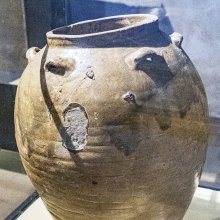


In Buddhism
Chinese Buddhism
1) 斯那 [si na]—Cina; Maha-cina. The name by which China is referred to in the laws of Manu (which assert that the Chinese were degenerate Kṣatriya), in the Mahābharata, and in Buddhist works. This name may have been derived from families ruling in western China under such titles as 晉 [jin] Chin at Fen-chou in Shansi 1106-376 B. C., 陳 [chen] Ch'en in Honan 1122-479 B. C., 秦 [qin] Ch'in in Shensi as early as the ninth century B. C., and to this latter dynasty the designation is generally attributed.
2) 視那 [shi na]—jina, victor, idem 耆那 [qi na].
Chinese Buddhism (漢傳佛教, hanchuan fojiao) is the form of Buddhism that developed in China, blending Mahayana teachings with Daoist and Confucian thought. Its texts are mainly in Classical Chinese, based on translations from Sanskrit. Major schools include Chan (Zen), Pure Land, Tiantai, and Huayan. Chinese Buddhism has greatly influenced East Asian religion and culture.
Biology (plants and animals)
1) Shina in India is the name of a plant defined with Aphanamixis polystachya in various botanical sources. This page contains potential references in Ayurveda, modern medicine, and other folk traditions or local practices It has the synonym Amoora grandifolia (Blume) Walp. (among others).
2) Shina in South America is also identified with Nicotiana tabacum It has the synonym Nicotiana mexicana var. rubriflora Dunal (etc.).
Example references for further research on medicinal uses or toxicity (see latin names for full list):
· Annales de la Société Botanique de Lyon (1880)
· Cytologia (1982)
· Prodromus Systematis Naturalis Regni Vegetabilis (DC.) (1852)
· Repertorium Botanices Systematicae. (Walpers) (1842)
· The Civil and Natural History of Jamaica (1756)
· Hortus Bengalensis (1814)
If you are looking for specific details regarding Shina, for example chemical composition, side effects, health benefits, diet and recipes, extract dosage, pregnancy safety, have a look at these references.

This sections includes definitions from the five kingdoms of living things: Animals, Plants, Fungi, Protists and Monera. It will include both the official binomial nomenclature (scientific names usually in Latin) as well as regional spellings and variants.
Languages of India and abroad
Pali-English dictionary
sīna : (pp. of sīdati) sunk; subsided; yielded.
1) Sīna, 2 (pp. of sīyati; Sk. śīna) congealed; cold, frosty M. I, 79. (Page 712)
2) Sīna, 1 (pp. of śṛ to crush; Sk. śīrṇa) fallen off, destroyed Miln. 117 (°patta leafless); J. II, 163 (°patta, so read for sīta°). See also saṃsīna. (Page 712)
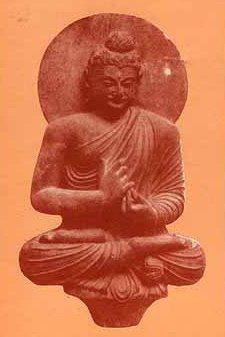
Pali is the language of the Tipiṭaka, which is the sacred canon of Theravāda Buddhism and contains much of the Buddha’s speech. Closeley related to Sanskrit, both languages are used interchangeably between religions.
Marathi-English dictionary
śinā (शिना).—a (Poetry. Esp. in jñānēśrvara) Separate or distinct. Ex. ātmā dēhāhūna śinā.
--- OR ---
śīṇa (शीण).—m (kṣīṇa or śīrṇa S) Lassitude, languor, exhaustion, the feeling or the state of weariness and wastedness. v yē, vāṭa, māna. 2 Weariedness with, disgust, sense of the irksomeness or oppression of. Ex. tumacyāca mulagyānēṃ tumhāsa śivī dilhī mhaṇūna malā śīṇa vāṭalā. śiṇēcēṃ dukhaṇēṃ Any disorder arising from fatigue.
--- OR ---
śīṇa (शीण).—m f Age, period of life attained. Ex. tō āṇi mī ēkā śiṇēcē āhōṃ. śīṇabhīṇa phiṭaṇēṃ g. of s. To lose one's awe or reverence for the age of (some senior). śī0 phēḍaṇēṃ g. of o. To destroy that awe. (bhīṇa may be from bhaya Fear.)
--- OR ---
sīṇa (सीण).—See under śī.
śinā (शिना).—a (Poetry. Esp. in jñānēśvara) Separate or distinct.
--- OR ---
śīṇa (शीण).—m Languor. Disgust, sense of the irksomeness of. m f Age. śīṇabhāga n A free term for languor. v hō, yē.
Marathi is an Indo-European language having over 70 million native speakers people in (predominantly) Maharashtra India. Marathi, like many other Indo-Aryan languages, evolved from early forms of Prakrit, which itself is a subset of Sanskrit, one of the most ancient languages of the world.
Sanskrit dictionary
Śīna (शीन).—a. [śyai-kta] Thick, congealed.
-naḥ 1 A dolt, blockhead.
2) A large snake (ajagara).
-nam Ice.
--- OR ---
Sina (सिन).—a. [si-nak Uṇādi-sūtra 3.2]
1) White.
2) One-eyed.
-naḥ A morsel, mouthful.
-nam 1 The body.
2) Ved. Food.
Śīna (शीन).—mfn.
(-naḥ-nā-naṃ) Thick, congealed, (as oil or butter.) m.
(-naḥ) 1. A fool, a blockhead. 2. A large snake. E. śyai to go, aff. kta .
--- OR ---
Sina (सिन).—mf. (-naḥ-nī) One-eyed. m.
(-naḥ) 1. A morsel, a mouthful, or such a quantity bound together. 2. A village. E. ṣi to bind, nak Unadi aff. or kta aff. in this particular application.
Śīna (शीन).—see śyai.
Śīna (शीन).—[adjective] coagulated, congealed; [neuter] ice.
--- OR ---
Sina (सिन).—[neuter] supply, provision, p. vant.
1) Śina (शिन):—m. Name of a man, [Pravara texts]
2) Śīna (शीन):—a mfn. ([from] √śyai; cf. śīta and śyāna) congealed, frozen, coagulated, thick, [Caraka] (cf. [Pāṇini 6-1, 24])
3) m. a large snake, [cf. Lexicographers, esp. such as amarasiṃha, halāyudha, hemacandra, etc.]
4) a fool, blockhead (= mūrkha, which is perhaps a [wrong reading] for mūrta), [cf. Lexicographers, esp. such as amarasiṃha, halāyudha, hemacandra, etc.]
5) n. ice, [Vājasaneyi-saṃhitā]
6) [from śyai] b See p. 1078, col. 2.
7) Sina (सिन):—[from si] 1. sina mfn. (for 2. See sub voce) stuck fist (as food in the throat), [Patañjali on Pāṇini 8-2, 47], [vArttika] 4
8) [v.s. ...] m. a bond, fetter, [cf. Lexicographers, esp. such as amarasiṃha, halāyudha, hemacandra, etc.]
9) 2. sina n. ([according to] to some [from] a √sā = ἁ in ἅμεναι; [from] which also sinva, sinvat in a-s; for 1. sina See p. 1213, col. 1) provision, store ([according to] to [Naighaṇṭuka, commented on by Yāska] = anna, ‘food’; [according to] to others ‘reward, pay’), [Ṛg-veda]
10) m. (only [cf. Lexicographers, esp. such as amarasiṃha, halāyudha, hemacandra, etc.]) the body
11) a garment
12) Careya Arborea
13) mf(ī)n. white (= 3. sita), [cf. Lexicographers, esp. such as amarasiṃha, halāyudha, hemacandra, etc.]
14) blind, one eyed (= kāṇa), [cf. Lexicographers, esp. such as amarasiṃha, halāyudha, hemacandra, etc.]
1) Śīna (शीन):—[(naḥ-nā-naṃ) a.] Thick, congealed. m. A fool; large snake.
2) Sina (सिन):—[(naḥ-nī-naṃ) a.] One-eyed. m. A mouthful.
Śina (शिन):—m. Nomen proprium eines Mannes [Pravarādhyāya] in [Weber’s Verzeichniss 55, 42.] — Vgl. śini .
--- OR ---
Śīna (शीन):—(partic. von śyā; vgl. śīta)
1) adj. geronnen, dick geworden, gefroren [Pāṇini’s acht Bücher 6, 1, 24.] [Vopadeva’s Grammatik 26, 90. fg.] [Hemacandra’s Abhidhānacintāmaṇi 1494.] [Halāyudha 2, 121.] = mūrkha (wohl fehlerhaft für mūrta) [Hemacandra’s Anekārthasaṃgraha 2, 288.] [Medinīkoṣa Nalopākhyāna 21.] ghṛta, yavāgū [Pāṇini’s acht Bücher, Scholiast] [Vopadeva’s Grammatik] n. Gefrorenes, Eis [Vājasaneyisaṃhitā 25, 9.] —
2) m. = ajagara Boa [Hemacandra’s Anekārthasaṃgraha] [Medinīkoṣa]; vgl. śīra .
--- OR ---
Sina (सिन):—
Sanskrit, also spelled संस्कृतम् (saṃskṛtam), is an ancient language of India commonly seen as the grandmother of the Indo-European language family (even English!). Closely allied with Prakrit and Pali, Sanskrit is more exhaustive in both grammar and terms and has the most extensive collection of literature in the world, greatly surpassing its sister-languages Greek and Latin.
Hindi dictionary
1) Śīna (शीन):—(a) frozen, congealed; a letter of the Arbic script; -[kāpha durūsta na honā] not to have a flawless pronuciation.
2) Sīna (सीन) [Also spelled scene]:—(nm) a scene.
3) Sīnā (सीना):—(v) to sew; to stitch; (nm) chest; ~[cāka] shattered heart; gloomy; ~[jora] exercising coercion, over-assertive, unashamedly aggressive; ~[jorī] obstinate show of strength, over-assertiveness, unashamed aggressiveness; —[pironā] stitching and needle-work; stitching etc.; ~[jorī se kāma nikalanā] to brazen out, to carry off impudently; —[tānanā] to stand upright, to stand undaunted, to brave all that comes; —[tāne sahanā] to brave it out; —[dhaḍakanā] see [dila dhaḍakanā; sīne kā ubhāra] bulge of the breasts, contours of the breasts; [sīne para patthara rakhanā] to endure patiently, to suppress agony in a quiet manner.
...
Prakrit-English dictionary
Siṇā (सिणा) in the Prakrit language is related to the Sanskrit word: Snā.
Prakrit is an ancient language closely associated with both Pali and Sanskrit. Jain literature is often composed in this language or sub-dialects, such as the Agamas and their commentaries which are written in Ardhamagadhi and Maharashtri Prakrit. The earliest extant texts can be dated to as early as the 4th century BCE although core portions might be older.
Kannada-English dictionary
Śīna (ಶೀನ):—[adjective] turned into or covered with ice; congealed by cold; frozen.
--- OR ---
Śīna (ಶೀನ):—
1) [noun] a frozen mass (as ice).
2) [noun] a foolish fellow; a stupid man.
3) [noun] a genus of large snakes, akin to python, that kills its preys by crushing; boa-constrictor.
Kannada is a Dravidian language (as opposed to the Indo-European language family) mainly spoken in the southwestern region of India.
Nepali dictionary
1) Siṅa (सिङ):—n. horn;
2) Sinā (सिना):—n. pl. of सिनो [sino]
3) Sīṅa (सीङ):—n. → सिङ [siṅa]
Nepali is the primary language of the Nepalese people counting almost 20 million native speakers. The country of Nepal is situated in the Himalaya mountain range to the north of India.
Chinese-English dictionary
1) 斯那 [sī nà] refers to: (1) “China” [Chinese place name]; Alternatively: (1) “Cīna” [Sanskrit place name].
斯那 is further associated with the following language/terms:
[Related Chinese terms] 指那; 指難; 振丹; 振旦; 支那; 旃丹; 眞丹; 眞那; 脂難; 至那; 眞旦.
[Vietnamese] tư na.
[Korean] 사나 / Sana.
[Japanese] シナ / Shina.
2) 室拏 [shì ná] refers to: “monk”.
室拏 is further associated with the following language/terms:
[Related Chinese terms] 比呼; 煏芻; 苾芻; 阿師.
[Vietnamese] thất nã.
[Korean] 실나 / silna.
[Japanese] シツナ / shitsuna.
3) 視那 [shì nà] refers to: “victor”.
視那 is further associated with the following language/terms:
[Related Chinese terms] 勝士; 耆那.
[Vietnamese] thị na.
[Korean] 시나 / sina.
[Japanese] シナ / shina.
Chinese language.
Tibetan-English dictionary
shi na (ཤི་ན) (in Tibetan) can be associated with the following Chinese terms:
1) 沒已 [méi yǐ]: “having died”.
Tibetan language.
See also (Relevant definitions)
Partial matches (+0): Shi, Shen, Ci, Bi, Na.
Starts with (+19): Cina, Cina-erivantu, Cinaccarappali, Cinaccatti, Cinaccurul, Cinaccutan, Cinakkakitam, Cinakkakkai, Cinakkannati, Cinakkaram, Cinakkarkantu, Cinakkarppuram, Cinakkilanku, Cinakkili, Cinakkoli, Cinakkolunci, Cinakkutai, Cinamallikai, Cinamilaku, Cinamutcevvanti.
Full-text (+929): Cina, Avashina, Pratishina, A li ye si na, Abhishina, Fu tuo si na, A li si na, Samsina, Upashaya, Uttanashaya, San shi na, Shi na ye she, Sina-thapnu, Zhi na, Seng jia si na, Nashin, Kotthasaya, Na jia si na, Mo he si na, Bai yu jing.
Relevant text
Search found 78 books and stories containing Sina, Shì nà, Shi na, Shì ná, Shina, Shìnà, Shìná, Sī nà, Si na, Sīna, Śinā, Śīṇa, Sīṇa, Śīna, Śina, Sīnā, Siṇā, Siṅa, Sinā, Sīṅa, Sīnà, 室拏, 斯那, 視那; (plurals include: Sinas, Shì nàs, Shi nas, Shì nás, Shinas, Shìnàs, Shìnás, Sī nàs, Si nas, Sīnas, Śinās, Śīṇas, Sīṇas, Śīnas, Śinas, Sīnās, Siṇās, Siṅas, Sinās, Sīṅas, Sīnàs). You can also click to the full overview containing English textual excerpts. Below are direct links for the most relevant articles:
Taisho: Chinese Buddhist Canon
Chapter 115: The story of Upasena < [Part 190 - The Abhinishkramana-sutra]
Chapter 177: Bhaddiya the Hermit and the Four Noble Truths < [Part 190 - The Abhinishkramana-sutra]
Chapter 168: The Buddha instructs Nanda to choose good friends < [Part 190 - The Abhinishkramana-sutra]
Evil and Human Suffering in Islamic Thought—Towards a Mystical Theodicy < [Volume 9, Issue 2 (2018)]
On the Actuality of Integrative Intellect-Mystical Asceticism as... < [Volume 15, Issue 7 (2024)]
Secularism and Ethnic Minorities < [Volume 14, Issue 1 (2023)]
Ibn Sina’s Practical Philosophy < [Issue 3 (2013)]
Distinction between Existence and Essence in Avicenna’s Ontology and Its... < [Issue 18 (2020)]
Nearness to Allah < [Issue 14 (2018)]
Dictionaries of Indian languages (Kosha)
Page 217 < [English-Urdu-Hindi (1 volume)]
Page 350 < [Hindi-English-Nepali (1 volume)]
Page 77 < [English-Urdu-Hindi (1 volume)]
Nighantu (critical study) (by Gopalakrishna N. Bhat)
Part 6 - Annanamani (Anna Nama) < [Chapter 4 - Second Adhyaya (chapter) of the Nighantu (study)]
Part 11 - Vannamani (Vac Nama) < [Chapter 3 - First Adhyaya (chapter) of the Nighantu (study)]
A Manual of Khshnoom (by Phiroz Nasarvanji Tavaria)