Shunyatajnana, Śūnyatājñāna, Shunyata-jnana: 1 definition
Introduction:
Shunyatajnana means something in Buddhism, Pali. If you want to know the exact meaning, history, etymology or English translation of this term then check out the descriptions on this page. Add your comment or reference to a book if you want to contribute to this summary article.
The Sanskrit term Śūnyatājñāna can be transliterated into English as Sunyatajnana or Shunyatajnana, using the IAST transliteration scheme (?).
In Buddhism
Tibetan Buddhism (Vajrayana or tantric Buddhism)
Source: OSU Press: Cakrasamvara SamadhiŚūnyatājñāna (शून्यताज्ञान) refers to the “knowledge of emptiness”, according to the Guru Mandala Worship (maṇḍalārcana) ritual often performed in combination with the Cakrasaṃvara Samādhi, which refers to the primary pūjā and sādhanā practice of Newah Mahāyāna-Vajrayāna Buddhists in Nepal.—Accordingly, “Oṃ the natural state of all conditions is pure, my natural state is pure, My natural spirit is the vajra knowledge of emptiness (śūnyatājnāna—śūnyatājnānavajrasvabhāvātmako'haṃ), observe emptiness”.
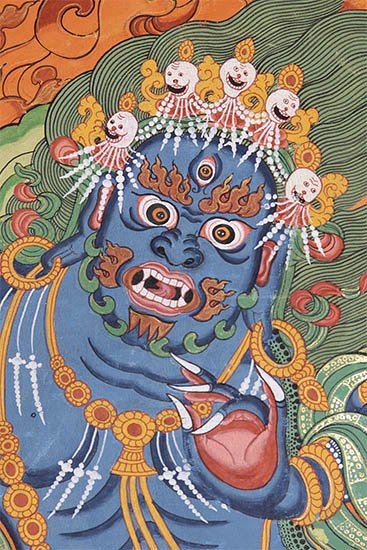
Tibetan Buddhism includes schools such as Nyingma, Kadampa, Kagyu and Gelug. Their primary canon of literature is divided in two broad categories: The Kangyur, which consists of Buddha’s words, and the Tengyur, which includes commentaries from various sources. Esotericism and tantra techniques (vajrayāna) are collected indepently.
See also (Relevant definitions)
Relevant text
Search found 1 books and stories containing Shunyatajnana, Śūnyatājñāna, Śūnyatā-jñāna, Shunyata-jnana, Sunyatajnana, Sunyata-jnana; (plurals include: Shunyatajnanas, Śūnyatājñānas, jñānas, jnanas, Sunyatajnanas). You can also click to the full overview containing English textual excerpts. Below are direct links for the most relevant articles: