Shatrujit, Śatrujit, Satrujit: 7 definitions
Introduction:
Shatrujit means something in Hinduism, Sanskrit. If you want to know the exact meaning, history, etymology or English translation of this term then check out the descriptions on this page. Add your comment or reference to a book if you want to contribute to this summary article.
The Sanskrit term Śatrujit can be transliterated into English as Satrujit or Shatrujit, using the IAST transliteration scheme (?).
In Hinduism
Purana and Itihasa (epic history)
Śatrujit (शत्रुजित्):—Another name for Pratardana (son of Dyumān, who was a son of Divodāsa). (see Bhāgavata Purāṇa 9.17.5)
Śatrujit (शत्रुजित्).—A prince, the son of Dhruvasandhi by his second wife Līlāvatī. (See under Dhruvasandhi).
1a) Śatrujit (शत्रुजित्).—See Dyumat.*
- * Bhāgavata-purāṇa IX. 17. 6.
1b) A Vānara chief.*
- * Brahmāṇḍa-purāṇa III. 7. 237.
1c) A son of Śūra.*
- * Brahmāṇḍa-purāṇa III, 71. 138.
1d) A son of Māndhātā.*
- * Matsya-purāṇa 12. 35.
1e) A son of Śoṇāśva.*
- * Matsya-purāṇa 44. 79.
1f) A name of Pratardana.*
- * Viṣṇu-purāṇa IV. 8. 12.
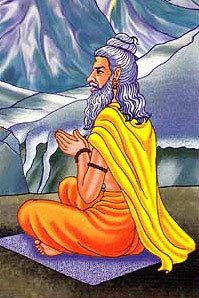
The Purana (पुराण, purāṇas) refers to Sanskrit literature preserving ancient India’s vast cultural history, including historical legends, religious ceremonies, various arts and sciences. The eighteen mahapuranas total over 400,000 shlokas (metrical couplets) and date to at least several centuries BCE.
Shaktism
Satrujit (सत्रुजित्):—The son of king Dhruvasandhi (son of Puṣpa) of the Solar Dynasty and his second wife Līlāvatī. He was the younger brother to Satrujit. See the Devī-bhāgavata-purāṇa 3.14 (The glories of Devī).
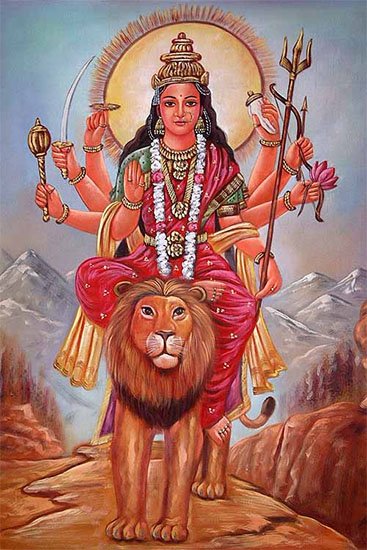
Shakta (शाक्त, śākta) or Shaktism (śāktism) represents a tradition of Hinduism where the Goddess (Devi) is revered and worshipped. Shakta literature includes a range of scriptures, including various Agamas and Tantras, although its roots may be traced back to the Vedas.
Languages of India and abroad
Sanskrit dictionary
Śatrujit (शत्रुजित्).—[adjective] conquering foes.
1) Śatrujit (शत्रुजित्):—[=śatru-jit] [from śatru] mfn. idem, [Pāṇini 3-2, 61 [Scholiast or Commentator]]
2) [v.s. ...] m. Name of Śiva, [Śivagītā, ascribed to the padma-purāṇa]
3) [v.s. ...] of a son of Rājādhideva, [Harivaṃśa]
4) [v.s. ...] of the father of Ṛta-dhvaja or Kuvalayāśva, [Purāṇa]
5) [v.s. ...] of various other princes, [ib.]
Śatrujit (शत्रुजित्):—[Pāṇini’s acht Bücher 3, 2, 61, Scholiast]
1) adj. Besieger der Feinde: Śiva [Śivanāmasahasra] —
2) m. a) Nomen proprium eines Sohnes des Rājādhideva [Harivaṃśa 2034.] = pratardana, kuvalayāśva u.s.w. [Viṣṇupurāṇa 408.] [Bhāgavatapurāṇa 1, 14, 29. 9, 17, 6.] Vater des Kuvalayāśva [Mārkāṇḍeyapurāṇa 20, 1. 19.] Nomen proprium eines neueren Fürsten [ 48.] — b) [Rāmāyaṇa 5, 58, 6] fehlerhaft für śakrajit .
Sanskrit, also spelled संस्कृतम् (saṃskṛtam), is an ancient language of India commonly seen as the grandmother of the Indo-European language family (even English!). Closely allied with Prakrit and Pali, Sanskrit is more exhaustive in both grammar and terms and has the most extensive collection of literature in the world, greatly surpassing its sister-languages Greek and Latin.
See also (Relevant definitions)
Partial matches (+0): Shatru, Jit.
Full-text (+0): Pratardana, Kuvalayashva, Dhruvasandhi, Lilavati, Sudarshana, Dyumat, Yudhajit, Parasharasamhita.
Relevant text
Search found 25 books and stories containing Shatrujit, Śatru-jit, Satru-jit, Śatrujit, Satrujit, Shatru-jit; (plurals include: Shatrujits, jits, Śatrujits, Satrujits). You can also click to the full overview containing English textual excerpts. Below are direct links for the most relevant articles:
Devi Bhagavata Purana (by Swami Vijñanananda)
Chapter 14 - On the narration of the glories of the Devī < [Book 3]
Chapter 23 - On the killing of the enemy of Sudarśana in the great war < [Book 3]
Chapter 25 - On the installation of the Devī in Ayodhyā and Benares < [Book 3]
Puranic encyclopaedia (by Vettam Mani)
Markandeya Purana (by Frederick Eden Pargiter)
Canto XX - The Story of Kuvalayāśva
Canto XXV - The story of Kuvalayāśva and Madālasā (continued)
Bhakti-rasamrta-sindhu (by Śrīla Rūpa Gosvāmī)
Verse 3.2.31 < [Part 2 - Affection and Service (dāsya-rasa)]
Harivamsha Purana (by Manmatha Nath Dutt)
Chapter 38 - An Account of Svyamantaka Jewel < [Book 1 - Harivamsa Parva]
Vishnu Purana (by Horace Hayman Wilson)