Sarangadeva, Saramga-deva, Sāraṃgadeva, Saramgadeva, Saranga-deva, Sāraṅgadeva: 4 definitions
Introduction:
Sarangadeva means something in Hinduism, Sanskrit, the history of ancient India. If you want to know the exact meaning, history, etymology or English translation of this term then check out the descriptions on this page. Add your comment or reference to a book if you want to contribute to this summary article.
Images (photo gallery)
In Hinduism
Shaktism
Śāraṅgadeva (शारङ्गदेव) is the “famed-name” of Bhogānanda (i.e., Devadhara/Vasudeva)—one of the Sixteen Siddhas according to the Kubjikānityāhnikatilaka: a derative text drawing from Tantras and other sources such as the Ṣaṭsāhasrasaṃhitā.—These sixteen spiritual teachers represent the disciples of the Nine Nāthas who propagated the Western Transmission noted in the Kubjikā Tantras.—Bhogānanda is the Caryā name of this Nātha (i.e., the public name the Siddha uses when living as a wandering renouncer). His well-known or “famed” name (prasiddha) is Śāraṅgadeva. A Nātha may have more than one such ‘famed name’ (kīrtināma), according to the number of extraordinary events especially associated with him.
Note: Devadhara was called Śāraṅgadeva because he paralysed a Śāraṅgī bird.
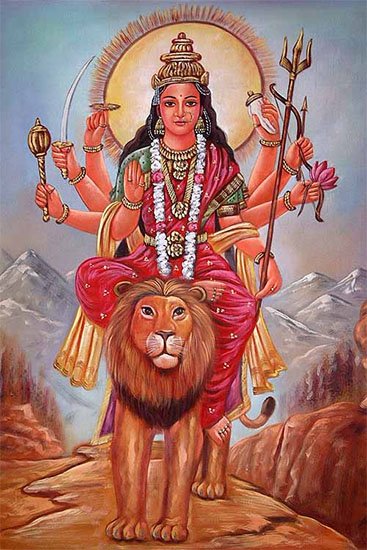
Shakta (शाक्त, śākta) or Shaktism (śāktism) represents a tradition of Hinduism where the Goddess (Devi) is revered and worshipped. Shakta literature includes a range of scriptures, including various Agamas and Tantras, although its roots may be traced back to the Vedas.
India history and geography
Sāraṃgadeva (सारंगदेव) is one of the six kings of the Vāghela dynasty, as mentioned in the Vividhatīrthakalpa by Jinaprabhasūri (13th century A.D.): an ancient text devoted to various Jaina holy places (tīrthas).—cf. Allāvadīṇa and Vāghela.—Cf. List of the six kings of the Vāghela dynasty, of which Anahilapura was the capital: Lūṇappasāya, Vīadhavala, Vīsaladeva, Ajjunadeva, Sāraṃgadeva, Kaṇṇadeva.

The history of India traces the identification of countries, villages, towns and other regions of India, as well as mythology, zoology, royal dynasties, rulers, tribes, local festivities and traditions and regional languages. Ancient India enjoyed religious freedom and encourages the path of Dharma, a concept common to Buddhism, Hinduism, and Jainism.
Languages of India and abroad
Sanskrit dictionary
Sāraṅgadeva (सारङ्गदेव):—[=sāraṅga-deva] [from sāraṅga] m. Name of a king, [Catalogue(s)]
Sāraṅgadeva (सारङ्गदेव):—m. Nomen proprium eines Fürsten [Oxforder Handschriften 347,a,10.]
Sanskrit, also spelled संस्कृतम् (saṃskṛtam), is an ancient language of India commonly seen as the grandmother of the Indo-European language family (even English!). Closely allied with Prakrit and Pali, Sanskrit is more exhaustive in both grammar and terms and has the most extensive collection of literature in the world, greatly surpassing its sister-languages Greek and Latin.
See also (Relevant definitions)
Partial matches (+0): Saranga, Deva.
Full-text (+0): Kapphara, Kaphura, Lunappasaya, Viadhavala, Ajjunadeva, Karnadeva, Visaladeva, Kannadeva, Makaparatam, Vaghela, Indian music, Lakuli, Baroda, Lakshanagrantha.
Relevant text
Search found 13 books and stories containing Sarangadeva, Saramga-deva, Sāraṃga-deva, Sāraṃgadeva, Saramgadeva, Saranga-deva, Sāraṅga-deva, Sāraṅgadeva; (plurals include: Sarangadevas, devas, Sāraṃgadevas, Saramgadevas, Sāraṅgadevas). You can also click to the full overview containing English textual excerpts. Below are direct links for the most relevant articles:
Political history of Northern India (from Jain sources) (by Vasudeva Sarana Agrawala)
Part 1 - The Vaghela branch of the Caulukyas < [Chapter 10 - The dynasties of Saurāṣṭra—Continued]
Part 4 - The Paramāras of Candrāvatī and Arbuda < [Chapter 8 - The dynasties of Rājasthāna (Rajasthan)—Continued]
Naishadha-charita of Shriharsha (by Krishna Kanta Handiqui)
Introduction to Cāṇḍūpaṇḍita’s commentary < [Introduction]
Matangalila and Hastyayurveda (study) (by Chandrima Das)
Musical Instruments in Sanskrit Literature (by S. Karthick Raj KMoundinya)
Brinda or Vrinda—The orchestra < [Chapter 2 - Origin and evolution of Music and Musical instruments]
Musical Instruments—Mud and Mridanga < [Chapter 2 - Origin and evolution of Music and Musical instruments]
Texts on Music < [Chapter 2 - Origin and evolution of Music and Musical instruments]
Arts in the Puranas (study) (by Meena Devadatta Jeste)
4. Music in the Markandeya Purana < [Chapter 1 - Music in the Puranas]
5. Music in the Vayu Purana < [Chapter 1 - Music in the Puranas]
3. Literature on ancient Indian Music < [Chapter 1 - Music in the Puranas]
Vishnudharmottara Purana (Art and Architecture) (by Bhagyashree Sarma)
1. A Note on Music < [Chapter 2 - Music]
2. Origin and Development of Indian Music < [Chapter 2 - Music]