Sannata, Saṃnata, Samnata, Saññāta: 13 definitions
Introduction:
Sannata means something in Hinduism, Sanskrit, Buddhism, Pali, Hindi. If you want to know the exact meaning, history, etymology or English translation of this term then check out the descriptions on this page. Add your comment or reference to a book if you want to contribute to this summary article.
Images (photo gallery)



In Hinduism
Natyashastra (theatrics and dramaturgy)
Sannata (सन्नत).—One of the 108 karaṇas (minor dance movement) mentioned in the Nāṭyaśāstra chapter 4. It can also be spelled as Saṃnata (संनत). The instructions for this sannata-karaṇa is as follows, “after jumping, the two feet are to be put forward in Svastika form and the two hands to show Sannata (i.e. Dolā) gesture.”.
A karaṇa represents a minor dance movements and combines sthāna (standing position), cārī (foot and leg movement) and nṛttahasta (hands in dancing position).
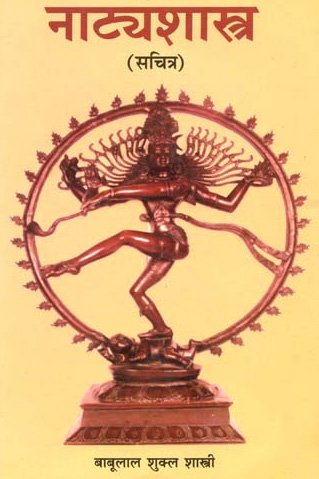
Natyashastra (नाट्यशास्त्र, nāṭyaśāstra) refers to both the ancient Indian tradition (shastra) of performing arts, (natya—theatrics, drama, dance, music), as well as the name of a Sanskrit work dealing with these subjects. It also teaches the rules for composing Dramatic plays (nataka), construction and performance of Theater, and Poetic works (kavya).
Purana and Itihasa (epic history)
Saṃnata (संनत) refers to “kneeling low (in reverence)”, according to the Śivapurāṇa 2.5.6 (“Prayer to Śiva”).—Accordingly, after the Gods eulogized Śiva: “After eulogising lord Śiva thus, the distressed gods stood in front of him with palms joined in reverence and kneeling low (saṃnata-mūrti). Eulogised thus by Indra and others and by the repetition of Japas by Viṣṇu, the delighted lord came there seated on his bull. Getting down from Nandīśa and embracing Viṣṇu, lord Śiva delighted in his mind cast his benign look on all with his hand resting on Nandin. Casting a sympathetic glance on the gods, the delighted Śiva, lord of Pārvatī, spoke to Viṣṇu in a majestic tone”.

The Purana (पुराण, purāṇas) refers to Sanskrit literature preserving ancient India’s vast cultural history, including historical legends, religious ceremonies, various arts and sciences. The eighteen mahapuranas total over 400,000 shlokas (metrical couplets) and date to at least several centuries BCE.
Languages of India and abroad
Pali-English dictionary
Sannata, (pp. of saṃ+nam, cp. sannāmeti) 1. bent down, low J. VI, 58 (opp. unnata).—2. bent, prepared J. V, 215 (C. suphassita). (Page 678)
— or —
Saññāta, (pp. of sañjānāti) skilled M. I, 396. (Page 670)
Pali is the language of the Tipiṭaka, which is the sacred canon of Theravāda Buddhism and contains much of the Buddha’s speech. Closeley related to Sanskrit, both languages are used interchangeably between religions.
Sanskrit dictionary
Saṃnata (संनत).—p. p.
1) Bent down, stooping.
2) Downcast.
3) Contracted.
4) Filled with; परमानन्दसंनतो मन्त्री ममानेक- विधां संभावनामकार्षीत् (paramānandasaṃnato mantrī mamāneka- vidhāṃ saṃbhāvanāmakārṣīt) Daśakumāracarita 1.3.
Sannata (सन्नत).—mfn.
(-taḥ-tā-taṃ) Bent, bowed down. E. sam, and nata bowed.
Saṃnata (संनत).—[adjective] bent, curved; stooping, bowing to ([genetive]); depressed, deepened, straightened; [dual] yielding to or harmonizing with each other.
1) Saṃnata (संनत):—[=saṃ-nata] a etc. See saṃ-√nam.
2) [=saṃ-nata] [from saṃ-nam] b mfn. bent together, curved, stooping or bowing to ([genitive case]), [Mahābhārata; Rāmāyaṇa] etc.
3) [v.s. ...] bowed, before, revered, [Bhāgavata-purāṇa]
4) [v.s. ...] deepened, sunk in, depressed, [Śulba-sūtra; Mahābhārata] etc.
5) [v.s. ...] bent down through sorrow, dispirited, downcast, [Rāmāyaṇa]
6) [v.s. ...] (saṃ-) [dual number] conforming to or harmonizing with each other, [Vājasaneyi-saṃhitā]
7) [v.s. ...] m. Name of a monkey, [Rāmāyaṇa]
8) Sāṃnata (सांनत):—n. ([from] saṃ-nati) Name of two Sāmans, [Ārṣeya-brāhmaṇa]
Sannata (सन्नत):—[(taḥ-tā-taṃ) p.] Bent.
Saṃnata (संनत):—
1) adj. s. u. nam mit sam . —
2) m. Nomen proprium eines Affen [Rāmāyaṇa 4, 39, 37.]
--- OR ---
Sāṃnata (सांनत):—(von saṃnati) n. Name eines Sāman [Weber’s Indische Studien 3, 243],b.
Saṃnata (संनत) in the Sanskrit language is related to the Prakrit word: Saṃnaya.
Sanskrit, also spelled संस्कृतम् (saṃskṛtam), is an ancient language of India commonly seen as the grandmother of the Indo-European language family (even English!). Closely allied with Prakrit and Pali, Sanskrit is more exhaustive in both grammar and terms and has the most extensive collection of literature in the world, greatly surpassing its sister-languages Greek and Latin.
Hindi dictionary
Sannāṭā (सन्नाटा):—(nm) still; silence, quietude; —[khīṃcanā/māranā] to keep still/mum; —[honā] to have no activity whatever; to be still; [sannāṭe meṃ ānā] to be stunned/dumbfounded/stupefied.
...
Kannada-English dictionary
Saṇṇāṭa (ಸಣ್ಣಾಟ):—[noun] a smaller version of Yakṣagāna, a folk dance-drama.
--- OR ---
Sannata (ಸನ್ನತ):—
1) [adjective] bent; bowed.
2) [adjective] subdued; subjugated; fallen under the control of (another).
--- OR ---
Sannata (ಸನ್ನತ):—
1) [noun] the act of bending or bowing.
2) [noun] he who has bowed (either in respect or from fear).
Kannada is a Dravidian language (as opposed to the Indo-European language family) mainly spoken in the southwestern region of India.
Nepali dictionary
Sannāṭā (सन्नाटा):—n. 1. a dead silence; stillness; 2. a numbing blow; shock; 3. state of fear/consternation; stunned amusement; a penetrating sound;
Nepali is the primary language of the Nepalese people counting almost 20 million native speakers. The country of Nepal is situated in the Himalaya mountain range to the north of India.
See also (Relevant definitions)
Partial matches (+0): Sam, Cam, Nata.
Starts with (+0): Cannattam, Sannatakarana, Sannatana, Sannatara.
Full-text (+10): Prasannata, Susamnata, Samnatabhru, Asannata, Samnatanga, Cittasannata, Lokasannata, Rathasannata, Tudisannata, Lokavisayasannata, Samnatatara, Cannattam, Accantasannata, Niccasannata, Attasannata, Cittasannatattha, Samnatya, Sannatakarana, Sannita, Samnaya.
Relevant text
Search found 11 books and stories containing Sannata, Sam-nata, Saṃnata, Saṃ-nata, Sannāṭā, Sāṃnata, Samnata, Saññāta, Saṇṇāṭa; (plurals include: Sannatas, natas, Saṃnatas, Sannāṭās, Sāṃnatas, Samnatas, Saññātas, Saṇṇāṭas). You can also click to the full overview containing English textual excerpts. Below are direct links for the most relevant articles:
Dictionaries of Indian languages (Kosha)
Page 365 < [Hindi-English-Nepali (1 volume)]
Page 479 < [Bengali-Hindi-English, Volume 2]
Page 291 < [Marathi-Hindi-English, Volume 2]
Natyashastra (English) (by Bharata-muni)
Wise Sayings from the Puranas (from the Bhagavata-purana) < [Purana, Volume 6, Part 2 (1964)]
Gati in Theory and Practice (by Dr. Sujatha Mohan)
Gati performed as Lokadharmī and Nāṭyadharmī < [Chapter 3 - Application of gati in Dṛśya-kāvyas]
Analysis of technical terms: Nāṭya, Nṛtta, Nṛtya < [Chapter 1 - Nāṭya]
Majjhima Nikaya (Middle Discourses)
Discourse 58: With Prince Abhaya < [Gahapati-vagga: The Chapter on Householders]
World Journal of Pharmaceutical Research
Pharmacological Potential and Toxicology of Anthocephalus Cadamba < [2018: Volume 7, September issue 16]