Sangamadatta, Saṅgamadatta: 1 definition
Introduction:
Sangamadatta means something in Hinduism, Sanskrit. If you want to know the exact meaning, history, etymology or English translation of this term then check out the descriptions on this page. Add your comment or reference to a book if you want to contribute to this summary article.
In Hinduism
Kavya (poetry)
Saṅgamadatta (सङ्गमदत्त) is the name of a Brāhman according to the Kathāsaritsāgara, chapter 56. Accordingly, “... and she [Bandhumatī] asked a poor Brāhman. named Saṅgamadatta, who came for a gift, for tidings of her husband [Mahīpāla], having told him his name and the signs by which to recognise him”.
The story of Saṅgamadatta was narrated by Marubhūti order to entertain the company of prince Naravāhanadatta.
The Kathāsaritsāgara (‘ocean of streams of story’), mentioning Saṅgamadatta, is a famous Sanskrit epic story revolving around prince Naravāhanadatta and his quest to become the emperor of the vidyādharas (celestial beings). The work is said to have been an adaptation of Guṇāḍhya’s Bṛhatkathā consisting of 100,000 verses, which in turn is part of a larger work containing 700,000 verses.
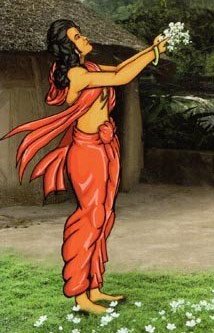
Kavya (काव्य, kavya) refers to Sanskrit poetry, a popular ancient Indian tradition of literature. There have been many Sanskrit poets over the ages, hailing from ancient India and beyond. This topic includes mahakavya, or ‘epic poetry’ and natya, or ‘dramatic poetry’.
See also (Relevant definitions)
Full-text (+0): Tribhuvana, Mana.
Relevant text
Search found 1 books and stories containing Sangamadatta, Saṅgamadatta; (plurals include: Sangamadattas, Saṅgamadattas). You can also click to the full overview containing English textual excerpts. Below are direct links for the most relevant articles:
Kathasaritsagara (the Ocean of Story) (by Somadeva)
Chapter LVI < [Book IX - Alaṅkāravatī]