Sadasadbhava, Sadasadbhāva: 4 definitions
Introduction:
Sadasadbhava means something in Hinduism, Sanskrit. If you want to know the exact meaning, history, etymology or English translation of this term then check out the descriptions on this page. Add your comment or reference to a book if you want to contribute to this summary article.
In Hinduism
Shaktism
Sadasadbhāva (सदसद्भाव) refers to “being and non-being”, according to the Ciñcinīmatasārasamuccaya verse 7.193cd-195.— Accordingly, “Once pierced through the divine plane of consciousness which is attended by the Sun of Consciousness and, having melted it with the rays of consciousness and drunk the best of juices, (one attains) the Supreme Void, which is consciousness free of being and non-being (sadasadbhāva). Within it is the juice of the essence which has expanded out of the Supreme Void. It is the field of one's own inner outpouring and is diversified by many kinds of wonderful diversity”.
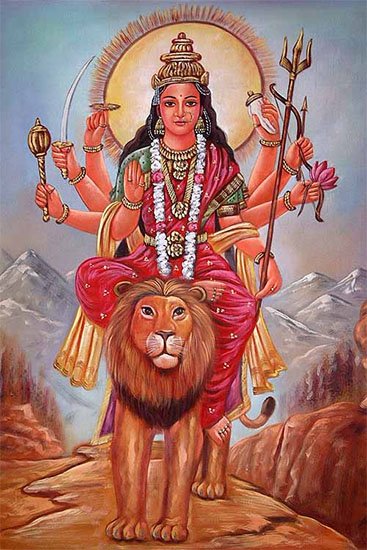
Shakta (शाक्त, śākta) or Shaktism (śāktism) represents a tradition of Hinduism where the Goddess (Devi) is revered and worshipped. Shakta literature includes a range of scriptures, including various Agamas and Tantras, although its roots may be traced back to the Vedas.
Languages of India and abroad
Sanskrit dictionary
Sadasadbhāva (सदसद्भाव).—[masculine] reality and unreality, truth and falsehood.
Sadasadbhāva (सदसद्भाव):—[=sad-asad-bhāva] [from sad-asad > sad > sat] m. reality and unreality, truth and falsehood, [Śāntiśataka]
Sadasadbhāva (सदसद्भाव):—m. Wirklichkeit und Unwirklichkeit, Wahrheit und Falschheit [Spr. (II) 4176.]
Sanskrit, also spelled संस्कृतम् (saṃskṛtam), is an ancient language of India commonly seen as the grandmother of the Indo-European language family (even English!). Closely allied with Prakrit and Pali, Sanskrit is more exhaustive in both grammar and terms and has the most extensive collection of literature in the world, greatly surpassing its sister-languages Greek and Latin.
See also (Relevant definitions)
Relevant text
No search results for Sadasadbhava, Sadasadbhāva, Sadasad-bhava, Sadasad-bhāva; (plurals include: Sadasadbhavas, Sadasadbhāvas, bhavas, bhāvas) in any book or story.