Rudrani, Rudrāṇī: 16 definitions
Introduction:
Rudrani means something in Hinduism, Sanskrit. If you want to know the exact meaning, history, etymology or English translation of this term then check out the descriptions on this page. Add your comment or reference to a book if you want to contribute to this summary article.
Images (photo gallery)
In Hinduism
Purana and Itihasa (epic history)
Rudrāṇī (रुद्राणी).—Another name of Pārvatī. (For further details see under Pārvatī).
1a) Rudrāṇī (रुद्राणी).—A name of Umā:1 the world of.2
1b) The Goddess enshrined at Rudrakoṭi.*
- * Matsya-purāṇa 13. 32.
1c) In 31st Kalpa.*
- * Vāyu-purāṇa 23. 10.

The Purana (पुराण, purāṇas) refers to Sanskrit literature preserving ancient India’s vast cultural history, including historical legends, religious ceremonies, various arts and sciences. The eighteen mahapuranas total over 400,000 shlokas (metrical couplets) and date to at least several centuries BCE.
Shaktism
Rudrāṇī (रुद्राणी) is an epithet for the Goddess according to the Bhairavīstotra in the Śrīmatottara-tantra, an expansion of the Kubjikāmatatantra: the earliest popular and most authoritative Tantra of the Kubjikā cult.—Accordingly, “Victory! Victory (to you) O goddess (bhagavatī)! [...] Omnipresent goddess! Rudrāṇī! Raudrī! Firmly fixed one (dhruvā)! Salvation from the world of transmigration, which is terrible and hard to traverse! Salutation (to you) whose nature is inaccessible (to the fettered)! Deformed one! Supreme one! Daughter of the Himalayas! Mother of the world! Seed of the universe! [...]”.
Note: Kubjikā is commonly identified with Raudrī, also called Rudrāṇī or Rudraśakti as well as Mahāpiṅgalā.
Rudrāṇī (रुद्राणी) refers to one of the “thousand names of Kumārī”, as mentioned in the Kumārīsahasranāma, which is included in the 10th chapter of the first part (prathamabhāga) of the Rudrayāmala-Uttaratantra: an ancient Tantric work primarily dealing with the practice of Kuṇḍalinī-yoga, the worship of Kumārī and discussions regarding the Cakras. This edition is said to be derived of the Rudrayāmalatantra and consists of 6000 verses in 90 chapters (paṭalas) together with the Saralā-Hindīvyākhyopetam (i.e., the Rudrayamalam Uttaratantram with Sarala Hindi translation).—Rudrāṇī is mentioned in śloka 1.10.136.—The chapter notes that one is granted the rewards obtained by reciting the text even without the performance of pūjā (worship), japa, snāna (bathing) and puraścaryā
Rudrani or Maheshvari refers to one of the seven mother-like goddesses (Matrika).—The Matrikas emerge as shaktis from out of the bodies of the gods: Maheshvari from Shiva. The order of the Saptamatrka usually begins with Brahmi symbolizing creation. Then, Vaishnavi. Then, Maheshvari, who resides in the hearts of all beings, breaths in life and individuality.
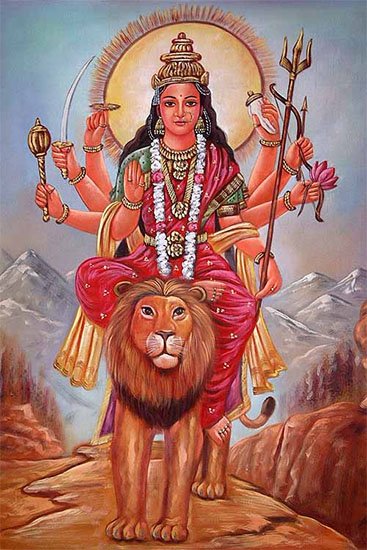
Shakta (शाक्त, śākta) or Shaktism (śāktism) represents a tradition of Hinduism where the Goddess (Devi) is revered and worshipped. Shakta literature includes a range of scriptures, including various Agamas and Tantras, although its roots may be traced back to the Vedas.
Ayurveda (science of life)
Nighantu (Synonyms and Characteristics of Drugs and technical terms)
Rudrāṇī (रुद्राणी) is another name for Rudrajaṭā, a medicinal plant identified with Aristolochia indica (Indian birthwort or duck flower) from the Aristolochiaceae or “birthwort family” of flowering plants, according to verse 3.79-81 of the 13th-century Raj Nighantu or Rājanighaṇṭu. The third chapter (guḍūcyādi-varga) of this book contains climbers and creepers (vīrudh). Together with the names Rudrāṇī and Rudrajaṭā, there are a total of sixteen Sanskrit synonyms identified for this plant.

Āyurveda (आयुर्वेद, ayurveda) is a branch of Indian science dealing with medicine, herbalism, taxology, anatomy, surgery, alchemy and related topics. Traditional practice of Āyurveda in ancient India dates back to at least the first millenium BC. Literature is commonly written in Sanskrit using various poetic metres.
Shaivism
Rudrāṇī (रुद्राणी) refers to a type of Vrata (“observance”), as quoted by Hṛdayaśiva in his Prāyaścittasamuccaya (verse 10.27-35).—Accordingly, “[...] Wearing yellow garments and yellow garlands and unguents and a yellow sacred thread he should perform the excellent observance of rudrāṇī for a month. The competent ritualist, constantly devoted to the worship of Śiva, should perform the observance for puruṣṭuta for one month with all accoutrements being black. [...]”.
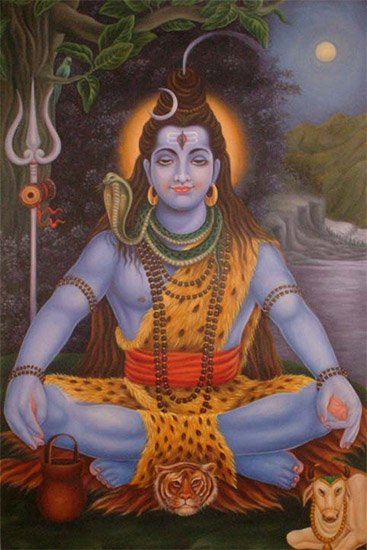
Shaiva (शैव, śaiva) or Shaivism (śaivism) represents a tradition of Hinduism worshiping Shiva as the supreme being. Closely related to Shaktism, Shaiva literature includes a range of scriptures, including Tantras, while the root of this tradition may be traced back to the ancient Vedas.
Languages of India and abroad
Sanskrit dictionary
Rudrāṇī (रुद्राणी).—
1) The wife of Rudra, Name of Pārvatī; रुद्राण्या भगवान् रुद्रो ददर्श स्वगणैर्वृतः (rudrāṇyā bhagavān rudro dadarśa svagaṇairvṛtaḥ) Bhāgavata 12.1.3.
2) Epithet of a girl 11 years old.
Rudrāṇī (रुद्राणी).—f. (-ṇī) The goddess Durga, as the wife of Ruda or Siva. E. rudra Siva, ṅīṣ aff., ānuk augment.
Rudrāṇī (रुद्राणी).—see the last.
Rudrāṇī (रुद्राणी).—[feminine] Rudra's wife.
1) Rudrāṇī (रुद्राणी):—[from rud] f. Rudra’s wife, the goddess Durgā, [Śāṅkhāyana-śrauta-sūtra; Mahābhārata] etc.
2) [v.s. ...] Name of a girl eleven years of age (in whom menstruation has not yet commenced, representing the goddess D° at the D° festival), [cf. Lexicographers, esp. such as amarasiṃha, halāyudha, hemacandra, etc.]
3) [v.s. ...] a species of plant (= rudra-jaṭā), [cf. Lexicographers, esp. such as amarasiṃha, halāyudha, hemacandra, etc.]
Rudrāṇī (रुद्राणी):—(kṣī) 3. f. The goddess Durgā.
Rudrāṇī (रुद्राणी):—f. Rudra's Gattin [Pāṇini’s acht Bücher.4,1,49.] [Vopadeva’s Grammatik.4,23.] [Amarakoṣa.1,1,1,32.] [Hemacandra’s Abhidhānacintāmaṇi 203.] [Halāyudha.1,15.] [Śāṅkhāyana’s Śrautasūtrāṇi.4,19,5.] [Colebrooke] [?I,179. Mahābhārata.5,3969. 13,3992. 4004. Harivaṃśa 9532. 10275. Bhāgavatapurāṇa.3,12,13.6,17,26. 12,10,3. Oxforder Handschriften 39,b,4. WEBER, KṚṢṆAJ. 291.] Bez. eines 11jährigen nicht menstruirenden Mädchens, welches bei der Durgā-Feier diese Göttin darstellt, [ANNADĀKALPA im Śabdakalpadruma] u. kumārī .
Rudrāṇī (रुद्राणी):—f. —
1) Rudra’s Gattin. —
2) ein eilfjähriges nicht menstruirendes Mädchen , welches bei der Durgā-Feier diese Göttin darstellt. —
3) *eine best. Pflanze , = rudrajaṭā [Rājan 3,68.]
Sanskrit, also spelled संस्कृतम् (saṃskṛtam), is an ancient language of India commonly seen as the grandmother of the Indo-European language family (even English!). Closely allied with Prakrit and Pali, Sanskrit is more exhaustive in both grammar and terms and has the most extensive collection of literature in the world, greatly surpassing its sister-languages Greek and Latin.
Kannada-English dictionary
Rudrāṇi (ರುದ್ರಾಣಿ):—[noun] Pārvati, wife of Śiva.
Kannada is a Dravidian language (as opposed to the Indo-European language family) mainly spoken in the southwestern region of India.
See also (Relevant definitions)
Starts with (+0): Rudranirmalya, Rudranirudra, Rudraniyoga.
Full-text (+26): Raudrani, Rudra, Maheshvari, Pitavasas, Diksa, Niyut, Uruttirani, Iravati, Ti, Ardranandakari, Dhriti, Uma, Svadha, Rudrakoti, Rasala, Sarpis, Aindrani, Agnimatara, Yamyamatri, Saptamatrika.
Relevant text
Search found 48 books and stories containing Rudrani, Rudrāṇī, Rudrāṇi, Rudranis; (plurals include: Rudranis, Rudrāṇīs, Rudrāṇis, Rudranises). You can also click to the full overview containing English textual excerpts. Below are direct links for the most relevant articles:
Shiva Purana [sanskrit/english]
Devi Bhagavata Purana (by Swami Vijñanananda)
Chapter 19 - On the midday Sandhyā < [Book 11]
Chapter 10 - On the description of Maṇi Dvīpa < [Book 12]
Chapter 3 - On the description of the Kavaca of Śrī Gāyatrī Devī < [Book 12]
Dictionaries of Indian languages (Kosha)
Page 269 < [Bengali-Hindi-English, Volume 2]
Page 60 < [Bengali-Hindi-English, Volume 2]
Page 62 < [Bengali-Hindi-English, Volume 2]
Chaitanya Bhagavata (by Bhumipati Dāsa)
Verse 1.8.19 < [Chapter 8 - The Disappearance of Jagannātha Miśra]
Puranic encyclopaedia (by Vettam Mani)
Lalitopakhyana (Lalita Mahatmya) (by G.V. Tagare)