Ruca, Rucā: 14 definitions
Introduction:
Ruca means something in Hinduism, Sanskrit, Buddhism, Pali, Marathi. If you want to know the exact meaning, history, etymology or English translation of this term then check out the descriptions on this page. Add your comment or reference to a book if you want to contribute to this summary article.
Alternative spellings of this word include Rucha.
In Hinduism
Purana and Itihasa (epic history)
1a) Ruca (रुच).—One of the 14 clans of Apsaras, born of Vidyut or lightning.*
- * Brahmāṇḍa-purāṇa III. 7. 19; Vāyu-purāṇa 69. 57.
1b) Son of Sutīrtha.*
- * Vāyu-purāṇa 99. 274.

The Purana (पुराण, purāṇas) refers to Sanskrit literature preserving ancient India’s vast cultural history, including historical legends, religious ceremonies, various arts and sciences. The eighteen mahapuranas total over 400,000 shlokas (metrical couplets) and date to at least several centuries BCE.
Shaktism
Rucā (रुचा) is the name of a Mātṛkā-Śakti created by Mahārudra in order to control the plague of demons created by Andhakāsura.—Accordingly, Andhaka-Asura tried to kidnap Umā (Devī Pārvatī), and was fiercely attacked by Mahārudra who shot arrows at him from his mahāpināka. when the arrows pierced the body of Andhakāsura, drops of blood fell to earth and from those drops, thousands of Andhakas arose. To control this plague of demons, Mahārudra created Mātṛkā-Śaktis [viz., Rucā] and ordered them to drink the blood of the demons and drain them dry.
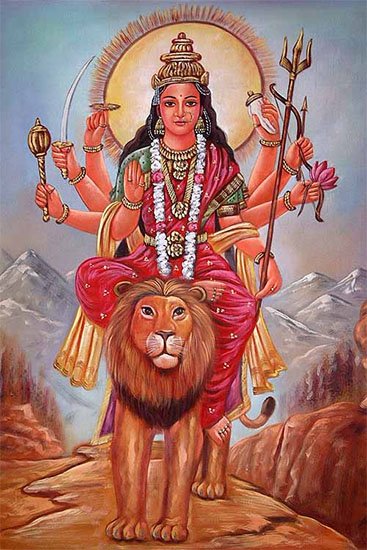
Shakta (शाक्त, śākta) or Shaktism (śāktism) represents a tradition of Hinduism where the Goddess (Devi) is revered and worshipped. Shakta literature includes a range of scriptures, including various Agamas and Tantras, although its roots may be traced back to the Vedas.
Ayurveda (science of life)
Veterinary Medicine (The study and treatment of Animals)
Ruca (रुच) refers to the “color (of an elephant)”, according to the 15th century Mātaṅgalīlā composed by Nīlakaṇṭha in 263 Sanskrit verses, dealing with elephantology in ancient India, focusing on the science of management and treatment of elephants.—[Cf. chapter 4, “on marks of longevity”]: “3. The foreparts, head, eyes, face, ears, neck, belly, tusks, trunk, character, color (ruca) and the hind members, those are the twelve ‘departments’ of elephants, equal (in number) to their stages (decades) of life”.
Āyurveda (आयुर्वेद, ayurveda) is a branch of Indian science dealing with medicine, herbalism, taxology, anatomy, surgery, alchemy and related topics. Traditional practice of Āyurveda in ancient India dates back to at least the first millenium BC. Literature is commonly written in Sanskrit using various poetic metres.
Languages of India and abroad
Pali-English dictionary
Ruca, (-rukkha) & Rucā (f.) (fr. ruc) N. of a plant, or tree, alias “mukkhaka” (read mokkhaka) “principal” J. I, 441, 443 (gloss maṅgala-rukkha). (Page 572)
1) ruca (ရုစ) [(ti) (တိ)]—
[ruca+a.ruca dittiyaṃ rocane ca.nīti,dhātu.34.ruca(ti)-saṃ.]
[ရုစ+အ။ ရုစ ဒိတ္တိယံ ရောစနေ စ။ နီတိ၊ဓာတု။၃၄။ ရုစ(တိ)-သံ။]
2) rucā (ရုစာ) [(thī) (ထီ)]—
[ruca+a+ā.rucā-saṃ.]
[ရုစ+အ+အာ။ ရုစာ-သံ။]
[Pali to Burmese]
1) ruca—
(Burmese text): (ပု) (၁) ထွန်းလင်းတောက်ပခြင်း (န) ရုစဂ္ဂတိ-ကြည့်။ (၂) ရွှေတုံးရွှေခဲ။ (၃) ရုစမည်သော၊ သူ။ (ပု)
(Auto-Translation): (1) Bright shining (2) Golden nugget (3) One who is brilliant.
2) rucā—
(Burmese text): (၁) ရုစာမည်သော မင်္ဂလာသစ်ပင်။ (၂) ရှင်အာနန္ဒာအလောင်း ရုစာမည်သော မင်းသမီး။
(Auto-Translation): (1) A mangrove tree called Rusa. (2) The princess known as Rusa, the reincarnation of Shen Ananda.
Pali is the language of the Tipiṭaka, which is the sacred canon of Theravāda Buddhism and contains much of the Buddha’s speech. Closeley related to Sanskrit, both languages are used interchangeably between religions.
Marathi-English dictionary
rūca (रूच).—f (ruci S Whether rutsh or ruts.) Flavor, sapidity, relish, taste. 2 Taste; perception by, or the percipient faculty in, the palate. 3 Relish, liking, delight in anything.
rūca (रूच).—f Taste, relish; the palate
Marathi is an Indo-European language having over 70 million native speakers people in (predominantly) Maharashtra India. Marathi, like many other Indo-Aryan languages, evolved from early forms of Prakrit, which itself is a subset of Sanskrit, one of the most ancient languages of the world.
Sanskrit dictionary
Rucā (रुचा).—f. [ruc-kvip vā ṭāp]
1) Light, lustre, lustre, brightness; क्षणदासु यत्र च रुचैकतां गताः (kṣaṇadāsu yatra ca rucaikatāṃ gatāḥ) Śiśupālavadha 13.53;9.23,25; शिखरमणिरुचः (śikharamaṇirucaḥ) Kirātārjunīya 5.43; Meghadūta 46.
2) Splendour, loveliness, beauty.
3) Colour, appearance (at the end of comp.); चलयन्भृङ्गरुचस्तवालकान् (calayanbhṛṅgarucastavālakān) R.8.53; Kumārasambhava 3.65; Ś.1.15; Kirātārjunīya 5.45.
4) Liking, desire.
5) Lightning.
6) The note of the parrot or Mainā.
See also (synonyms): ruc.
--- OR ---
Rucā (रुचा).—See रुच् (ruc).
Ruca (रुच).—[adjective] bright, [feminine] rucā pleasure, liking.
1) Ruca (रुच):—[from ruc] mfn. bright, radiant, brilliant, [Vājasaneyi-saṃhitā]
2) Rucā (रुचा):—[from ruca > ruc] f. liking, desire, [Mahābhārata]
3) [v.s. ...] light, lustre, beauty, [cf. Lexicographers, esp. such as amarasiṃha, halāyudha, hemacandra, etc.]
4) [v.s. ...] the note of the parrot or Maina, [cf. Lexicographers, esp. such as amarasiṃha, halāyudha, hemacandra, etc.]
Ruca (रुच):—(von 1. ruc) adj. licht [Vājasaneyisaṃhitā 31, 20. fg.]
--- OR ---
Rucā (रुचा):—(wie eben) f. Gefallen, Gutfinden: tadvai tasmai na rucāmabhyupaiti das gefällt ihm nicht [Mahābhārata 3, 252.] = dīpti, śobhā, icchā, śārikāśubhavāc [Śabdaratnāvalī im Śabdakalpadruma]
Ruca (रुच):——
1) Adj. licht. —
2) f. rucā Gefallen , Gutfinden. tadvai tasmai na rucāmabhyupaiti das gefällt ihm nicht. — Nach [Śabdacandrikā] = dīpti , śobhā , icchā , śārikāśubhāśubha ( sārikā?).
Sanskrit, also spelled संस्कृतम् (saṃskṛtam), is an ancient language of India commonly seen as the grandmother of the Indo-European language family (even English!). Closely allied with Prakrit and Pali, Sanskrit is more exhaustive in both grammar and terms and has the most extensive collection of literature in the world, greatly surpassing its sister-languages Greek and Latin.
Kannada-English dictionary
Ruca (ರುಚ):—
1) [noun] intense or sparkling brightness, radiance or splendour; brilliance.
2) [noun] a ray of light.
Kannada is a Dravidian language (as opposed to the Indo-European language family) mainly spoken in the southwestern region of India.
See also (Relevant definitions)
Partial matches (+0): Ruca, A.
Starts with (+26): Roca, Rocanta, Rocanti, Rocapana, Rocate, Rocati, Rocaya, Rocayama, Rocayamana, Rocayami, Rocayase, Rocayati, Rocaye, Rocayimsu, Roce, Rocehi, Rocemi, Rocenta, Rocenti, Rocesi.
Full-text (+107): Ruci, Roca, Rucaka, Rucira, Rocana, Virocana, Abhiruci, Uparocati, Virocamana, Abhirucita, Ruccati, Rocita, Rocani, Arocana, Abhirucira, Atirocati, Virocati, Yatharucam, Rocati, Arocita.
Relevant text
Search found 26 books and stories containing Ruca, Rūca, Rucā, Ruca-a, Ruca-a-a, Ruca-a-ā; (plurals include: Rucas, Rūcas, Rucās, as, ās). You can also click to the full overview containing English textual excerpts. Below are direct links for the most relevant articles:
Garga Samhita (English) (by Danavir Goswami)
Verses 5.3.11-12 < [Chapter 3 - Akrūra’s Arrival]
Verse 6.16.42 < [Chapter 16 - Seeing Śrī Rādhā’s Form]
Verse 6.10.11 < [Chapter 10 - In the Description of the Gomatī River, the Glories of Cakra-tīrtha]
Krishna Sandarbha of Jiva Goswami (by Kusakratha Prabhu)
International Journal of Environmental Research and Public Health (MDPI)
Urban–Rural Differences in Mental and Physical Health among Primary... < [Volume 19, Issue 23 (2022)]
Continuous Rural-Urban Coding for Cancer Disparity Studies < [Volume 16, Issue 6 (2019)]
Occupational COVID-19 Exposures and Illnesses among Workers in... < [Volume 20, Issue 13 (2023)]
Rig Veda (translation and commentary) (by H. H. Wilson)
Bhakti-rasamrta-sindhu (by Śrīla Rūpa Gosvāmī)
Verse 3.2.46 < [Part 2 - Affection and Service (dāsya-rasa)]
Cidgaganacandrika (study) (by S. Mahalakshmi)
Verse 127 [Sixty-four Varṇa Śakti in Sṛṣṭi and Saṃhāra] < [Chapter 3 - Third Vimarśa]