Pratishthatantra, Pratiṣṭhātantra, Pratishtha-tantra: 7 definitions
Introduction:
Pratishthatantra means something in Hinduism, Sanskrit. If you want to know the exact meaning, history, etymology or English translation of this term then check out the descriptions on this page. Add your comment or reference to a book if you want to contribute to this summary article.
The Sanskrit term Pratiṣṭhātantra can be transliterated into English as Pratisthatantra or Pratishthatantra, using the IAST transliteration scheme (?).
In Hinduism
Shaivism
Pratiṣṭhātantra (प्रतिष्ठातन्त्र) refers to “Śaiva installation manuals”.—As Sanderson demonstrates in “The Śaiva Age: The Rise and Dominance of Śaivism During the Early Medieval Period” (2009), Tantric Buddhism devised a number of ceremonies in the domain of public religion following the Śaiva models, such as consecration (pratiṣṭhā) and funeral rites (antyeṣṭi). Tantric Buddhist manuals called maṇḍalavidhis teach the details of these public social rituals. These manuals closely resemble the Śaiva Pratiṣṭhātantras and Paddhatis.
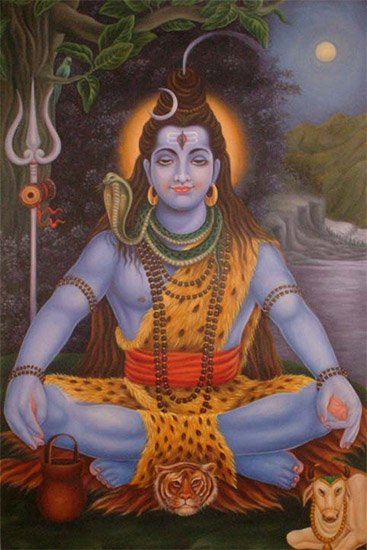
Shaiva (शैव, śaiva) or Shaivism (śaivism) represents a tradition of Hinduism worshiping Shiva as the supreme being. Closely related to Shaktism, Shaiva literature includes a range of scriptures, including Tantras, while the root of this tradition may be traced back to the ancient Vedas.
Vastushastra (architecture)
Pratiṣṭhātantra (प्रतिष्ठातन्त्र) refers to a genre of texts within the Śaiva tradition that deal with consecration rituals, particularly those related to temple construction and deity installation. The pratiṣṭhātantras, including the Devyāmata, are considered earlier than South Indian Tantric/Agamic texts, possibly dating back to the 6th or 5th century CE. One of the notable features of pratiṣṭhātantras is their association with the Niśvāsa-corpus, a set of early Śaiva works. These texts also exhibit linguistic features that indicate their early date and distinct iconographic tradition, different from that of Tantric/Agamic texts transmitted in South India.
Pratiṣṭhātantra (प्रतिष्ठातन्त्र) (in Śaivism) are scriptures which specialise in temple construction.—(Cf. Pratiṣṭhā).—The Śaivas of Mantramārga produced a secondary body of scriptural authorities, the Pratiṣṭhātantras, devoted exclusively to the domain of construction of royal temples. They also asserted the principle that the Śaiva Sthāpaka, the specialist who performs the rituals related to temple construction and installation, is competent not only for the Śaiva domain but also for all the levels that Śaivas ranked below this. (Cf. Sanderson 2009, 274–275).
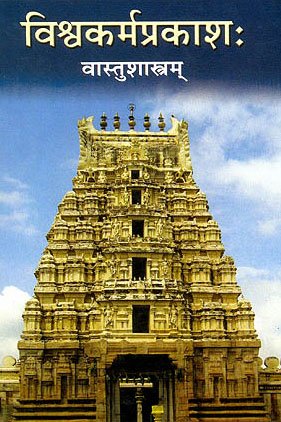
Vastushastra (वास्तुशास्त्र, vāstuśāstra) refers to the ancient Indian science (shastra) of architecture (vastu), dealing with topics such architecture, sculpture, town-building, fort building and various other constructions. Vastu also deals with the philosophy of the architectural relation with the cosmic universe.
Shaktism
Pratiṣṭhātantra (प्रतिष्ठातन्त्र) refers to “installation-scriptures”, according to the Brahmayāmala (or Picumata): a 7th century goddess-oriented (Śākta) Tantra writtin in 12,000 metrical verses.—Accordingly, “[I] heard the Great Mother Tantra, an extremely long method. [...] Now I would like to listen to the method [that is the] essence of all [attainments], short in length, great in meaning, adorned with various [ritual] injunctions, called an ‘installation-scripture’ (pratiṣṭhātantra), a new settled account drawn from the Yāmala [scripture]”.
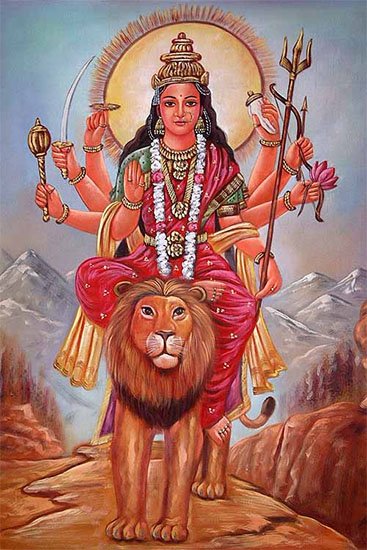
Shakta (शाक्त, śākta) or Shaktism (śāktism) represents a tradition of Hinduism where the Goddess (Devi) is revered and worshipped. Shakta literature includes a range of scriptures, including various Agamas and Tantras, although its roots may be traced back to the Vedas.
General definition (in Hinduism)
Pratiṣṭhātantra (प्रतिष्ठातन्त्र).—In addition to the general scriptural works of the Siddhānta we have a number of specialized scriptures called Pratiṣṭhātantras that treat only the rituals of installation (pratiṣṭhā) and such ancillary subjects as iconography, iconometry, and the plans of various types of temple, royal palaces, and monasteries.
The Lakṣaṇasaṃgraha of Vairocana reveals that there was once a much larger canon of suchtexts, counting a total of twenty-one titles. There are the following twenty-one Pratiṣṭhātantras that have been taught by Śiva:
- Pratiṣṭhākalpa,
- Kaumāra (=Skandamata ),
- Kiraṇa,
- Piṅgalāmata,
- Devyāmata,
- Mayamata (=Mayasaṃgraha),
- Nandi[mata] (=Nandikeśvaramata?),
- Pratiṣṭhāpārameśvara,
- Bhāskara[mata],
- Liṅgakalpa,
- Vidyāpurāṇa,
- Vāthula,
- Śakra[mata] (?),
- Vāmadeva,
- Paitāmaha 1
- Paitāmaha 2,
- Bāṇa[mata],
- Gargamata,
- Yāmya,
- Haṃsa,
- Viśvakarmamata.
Languages of India and abroad
Sanskrit dictionary
1) Pratiṣṭhātantra (प्रतिष्ठातन्त्र) as mentioned in Aufrecht’s Catalogus Catalogorum:—See Mayamata.
2) Pratiṣṭhātantra (प्रतिष्ठातन्त्र):—archit. L. 912. Oppert. 5191. 6113.
Pratiṣṭhātantra has the following synonyms: Mayamata.
3) Pratiṣṭhātantra (प्रतिष्ठातन्त्र):—archit. in a dialogue between Śiva and Pārvatī. Rep. p. 6 (copied in 1147).
—tantra. Hz. 950.
Pratiṣṭhātantra (प्रतिष्ठातन्त्र):—[=prati-ṣṭhā-tantra] n. Name of [work]
Sanskrit, also spelled संस्कृतम् (saṃskṛtam), is an ancient language of India commonly seen as the grandmother of the Indo-European language family (even English!). Closely allied with Prakrit and Pali, Sanskrit is more exhaustive in both grammar and terms and has the most extensive collection of literature in the world, greatly surpassing its sister-languages Greek and Latin.
See also (Relevant definitions)
Partial matches (+0): Pratishtha, Tantra.
Full-text (+111): Pratishtha, Antyeshti, Suprabhedapratishthatantra, Candrajnanagama, Mandalavidhi, Abhayakaragupta, Vajravali, Acaryakriyasamuccaya, Jagaddarpana, Darpanacarya, Mayamata, Bhittibandhana, Padapitha, Brahmasthana, Anantasana, Bhumibandha, Brahmashila, Shirovartana, Mukhalinga, Brahmarekha.
Relevant text
Search found 3 books and stories containing Pratishthatantra, Pratishtha-tantra, Pratistha-tantra, Pratiṣṭhā-tantra, Pratiṣṭhātantra, Pratisthatantra; (plurals include: Pratishthatantras, tantras, Pratiṣṭhātantras, Pratisthatantras). You can also click to the full overview containing English textual excerpts. Below are direct links for the most relevant articles:
Notices of Sanskrit Manuscripts (by Rajendralala Mitra)
Narada Purana (English translation) (by G. V. Tagare)
Chapter 102 - The Liṅga Purāṇa: Contents < [Part 4 - Pūrva-bhāga: Caturtha-pāda]
Expiatory Rites in Keralite Tantra (by T. S. Syamkumar)
1.1. Expiatory Rites in Prayogamañjarī < [Chapter 3 - Expiatory Rites in Kerala Tantric Ritual Manuals]