Prakaranika, Prakaraṇikā, Prākaraṇika: 7 definitions
Introduction:
Prakaranika means something in Hinduism, Sanskrit. If you want to know the exact meaning, history, etymology or English translation of this term then check out the descriptions on this page. Add your comment or reference to a book if you want to contribute to this summary article.
In Hinduism
Natyashastra (theatrics and dramaturgy)
Prakaraṇikā (प्रकरणिका) refers to one of the twenty-one divisions of the Mārga-Rūpaka compositions in ancient Indian art of dance and theater.—Puruṣottama Miśrā, while defining the terms mārga and deśī quotes the Saṅgītanārāyaṇa (Vol. II, pp.406-410) which he says has been taken from Kohala (the work of Kohala). He says that mārga is that which was shown to Śiva and Pārvatī by Brahma after performing penance. He says the mārgarūpakas are twenty in number [e.g., prakaraṇikā]. [...] But when listing out the names, there appear twenty-one rūpakas. [...]
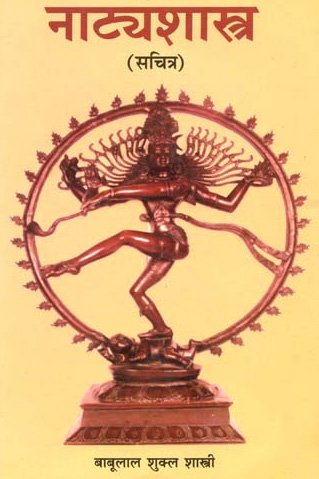
Natyashastra (नाट्यशास्त्र, nāṭyaśāstra) refers to both the ancient Indian tradition (shastra) of performing arts, (natya—theatrics, drama, dance, music), as well as the name of a Sanskrit work dealing with these subjects. It also teaches the rules for composing Dramatic plays (nataka), construction and performance of Theater, and Poetic works (kavya).
Languages of India and abroad
Sanskrit dictionary
Prakaraṇikā (प्रकरणिका).—A drama of the same character as the प्रकरण (prakaraṇa). The S. D. thus defines it:-- नाटिकैव प्रकरणिका सार्थवाहादिनायिका । समानवंशजा नेतुर्भवेद्यत्र च नायिका (nāṭikaiva prakaraṇikā sārthavāhādināyikā | samānavaṃśajā neturbhavedyatra ca nāyikā) || 554.
See also (synonyms): prakaraṇī.
--- OR ---
Prākaraṇika (प्राकरणिक).—a. (-kī f.) Pertaining to the subject of discussion, relevant to the matter in hand (often used in the sense of upameya in works on Rhetoric); अप्राकरणिक- स्याभिधानेन प्राकरणिकस्याक्षेपोऽप्रस्तुतप्रशंसा (aprākaraṇika- syābhidhānena prākaraṇikasyākṣepo'prastutapraśaṃsā) K. P.1.
Prakaraṇikā (प्रकरणिका).—(? partly conjectured; to Sanskrit °ṇa), subject of study (Tibetan bstud par bya): °kayā MPS 41.4.
Prākaraṇika (प्राकरणिक).—f. (-kī) Belonging to the subject under discussion, relevant to the matter in hand; (the word is sometimes used in the sense of upameya in rhetorical works).
1) Prakaraṇikā (प्रकरणिका):—[=pra-karaṇikā] [from pra-karaṇa > pra-kara > pra-kṛ] a f. a drama of the same character as the Prakaraṇa but of less extent, [Sāhitya-darpaṇa]
2) [v.s. ...] b See above.
3) Prākaraṇika (प्राकरणिक):—[=prā-karaṇika] [from prā] mfn. ([from] -karaṇa) belonging to the matter in question or to a chapter or to a class or genus, [Mānava-gṛhya-sūtra; Kātyāyana-śrauta-sūtra]
4) [v.s. ...] being the subject of any statement, [Monier-Williams’ Sanskrit-English Dictionary]
Prakaraṇikā (प्रकरणिका):—s. u. prakaraṇa am Ende.
--- OR ---
Prākaraṇika (प्राकरणिक):—(von prakaraṇa) adj. zu dem in Rede stehenden Gegenstand —, zum Kapitel —, zu der Gattung gehörig [Scholiast] zu [Kātyāyana’s Śrautasūtrāṇi 21,19.] [PRATĀPAR.9,b,6.] [Scholiast] zu [kāvyādarśa.2,312.] a [Kullūka] zu [Manu’s Gesetzbuch 3, 285.]
--- OR ---
Prākaraṇika (प्राकरणिक):—und a [Sāhityadarpana 103, 4. 5. 266, 8.]
Prakaraṇikā (प्रकरणिका):—f. = prakaraṇa 2).
--- OR ---
Prākaraṇika (प्राकरणिक):—Adj. zu dem in Rede stehenden Gegenstand — , zum Kapitel — , zu der Gattung gehörig [Mānavagṛhyasūtra 1,9.]
Sanskrit, also spelled संस्कृतम् (saṃskṛtam), is an ancient language of India commonly seen as the grandmother of the Indo-European language family (even English!). Closely allied with Prakrit and Pali, Sanskrit is more exhaustive in both grammar and terms and has the most extensive collection of literature in the world, greatly surpassing its sister-languages Greek and Latin.
See also (Relevant definitions)
Partial matches (+0): Pra, Karanika.
Full-text (+0): Aprakaranika, Prakarani, Aprakrita, Prakarana, Marga.
Relevant text
Search found 11 books and stories containing Prakaranika, Pra-karanika, Pra-karaṇikā, Prā-karaṇika, Prakaraṇikā, Prākaraṇika; (plurals include: Prakaranikas, karanikas, karaṇikās, karaṇikas, Prakaraṇikās, Prākaraṇikas). You can also click to the full overview containing English textual excerpts. Below are direct links for the most relevant articles:
Kavyalankara-sara-sangraha of Udbhata (by Narayana Daso Banhatti)
Chapter 5—Fifth Varga < [English notes to the Kavyalankara-sara-sangraha]
Chapter 1—First Varga < [English notes to the Kavyalankara-sara-sangraha]
Chapter 5 (pancamo vargah) < [Sanskrit text of the Kavyalankara-sara-sangraha]
Alamkaras mentioned by Vamana (by Pratim Bhattacharya)
25: Definition of Tulyayogitā Alaṃkāra < [Chapter 4 - Arthālaṃkāras mentioned by Vāmana]
14: Definition of Ananvaya Alaṃkāra < [Chapter 4 - Arthālaṃkāras mentioned by Vāmana]
9: Definition of Utprekṣā Alaṃkāra < [Chapter 4 - Arthālaṃkāras mentioned by Vāmana]
Sahitya-kaumudi by Baladeva Vidyabhushana (by Gaurapada Dāsa)
Text 4.60 < [Chapter 4 - First-rate Poetry]
Text 10.64 [Samāsokti] < [Chapter 10 - Ornaments of Meaning]
Purana-visayasuci (Purana Concordance) < [Purana, Volume 1, Part 2 (1960)]
Dictionaries of Indian languages (Kosha)
Page 345 < [Hindi-Bengali-English Volume 2]
Kohala in the Sanskrit textual tradition (Study) (by Padma Sugavanam)
Kohala and Nāṭya (7): The concept of Uparūpakas < [Chapter 2 - Kohala as seen in citations]
Part 4 - Citations of Kohala in the Abhinavabhāratī < [Chapter 3 - Kohala as seen in citations—an analysis]
Kohala and Nāṭya (4): The concept of Daśarūpaka < [Chapter 2 - Kohala as seen in citations]