Prakaranagrantha, Prakarana-grantha, Prakaraṇagrantha: 3 definitions
Introduction:
Prakaranagrantha means something in Buddhism, Pali, Hinduism, Sanskrit. If you want to know the exact meaning, history, etymology or English translation of this term then check out the descriptions on this page. Add your comment or reference to a book if you want to contribute to this summary article.
In Hinduism
Vyakarana (Sanskrit grammar)
Prakaraṇagrantha (प्रकरणग्रन्थ).—Literary works in which the treatment is given in the form of topics by arranging the original sutras or rules differently so that all such rules as relate to a particular topic are found together: the Prakriykaumudi, the Siddhantakumudi and others are called प्रकरणग्रन्थ (prakaraṇagrantha)s. Such works are generally known by the name प्राक्रयाग्रन्थ (prākrayāgrantha) as opposed to वृतिग्रन्थ (vṛtigrantha).
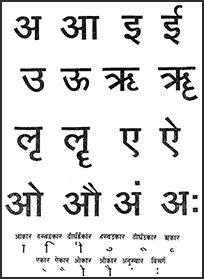
Vyakarana (व्याकरण, vyākaraṇa) refers to Sanskrit grammar and represents one of the six additional sciences (vedanga) to be studied along with the Vedas. Vyakarana concerns itself with the rules of Sanskrit grammar and linguistic analysis in order to establish the correct context of words and sentences.
In Buddhism
Mahayana (major branch of Buddhism)
Prakaraṇagrantha (प्रकरणग्रन्थ), also called Prakaraṇapāda or simply Prakaraṇa, is part of the Ṣaṭpādābhidharma of the Sarvāstivādins made up of the Jñānaprasthāna of Kātyāyanīputra and six annexed treatises. The Sanskrit sources (Kośavyākhyā), Tibetan sources (Bu ston; Tāranātha) and the Chinese sources attribute the Prakaraṇapāda to Vasumitra who composed it at Gandhāra, not far from Puṣkarāvati (Si-yu-ki). But according to the Mahāprajñāpāramitāśāstra, only the first four chapters were by Vasumitra, the last four of which are the Ts’ien-nan p’in were the work of the Kaśmir Arhats.
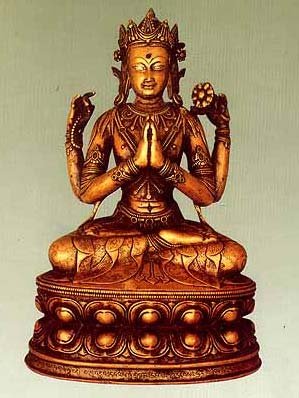
Mahayana (महायान, mahāyāna) is a major branch of Buddhism focusing on the path of a Bodhisattva (spiritual aspirants/ enlightened beings). Extant literature is vast and primarely composed in the Sanskrit language. There are many sūtras of which some of the earliest are the various Prajñāpāramitā sūtras.
Languages of India and abroad
Sanskrit dictionary
Prakaraṇagrantha (in Sanskrit) can be associated with the following Chinese terms:
1) 品類足 [pǐn lèi zú]: “Prakaraṇa”; “Prakaraṇa-grantha”; “Prakaraṇa-pāda”; “Prakaraṇa-śāstra” [Sanskrit text name].
2) 品類足論 [pǐn lèi zú lùn]: “Pinlei zulun” [Chinese text name]; Alternatively: “Prakaraṇa-grantha”; “Prakaraṇapāda-śāstra” [Sanskrit text name].
3) 阿毘達磨品類足論 [ā pí dá mó pǐn lèi zú lùn]: “Apidamo pinlei zu lun” [Chinese text name]; Alternatively: “Abhidharma-prakaraṇapāda-śāstra”; “Prakaraṇa-grantha”; “Prakaraṇa-pāda” [Sanskrit text name].
Note: prakaraṇagrantha can be alternatively written as: prakaraṇa-grantha.
Sanskrit, also spelled संस्कृतम् (saṃskṛtam), is an ancient language of India commonly seen as the grandmother of the Indo-European language family (even English!). Closely allied with Prakrit and Pali, Sanskrit is more exhaustive in both grammar and terms and has the most extensive collection of literature in the world, greatly surpassing its sister-languages Greek and Latin.
See also (Relevant definitions)
Partial matches (+0): Grantha, Prakarana.
Full-text (+0): Prakarana, Prakaranapada, Pham loai tuc, Prakaranashastra, Nrisimhashrama, Prakaranapadashastra, Pham loai tuc luan, Appayyadikshita, Pin lei zu, Govinda-bhagavatpada, Pin lei zu lun, Pancadashi, Madhusudana, A pi da mo pin lei zu lun.
Relevant text
Search found 6 books and stories containing Prakaranagrantha, Prakarana-grantha, Prakaraṇa-grantha, Prakaraṇagrantha; (plurals include: Prakaranagranthas, granthas, Prakaraṇagranthas). You can also click to the full overview containing English textual excerpts. Below are direct links for the most relevant articles:
Siddhanta Sangraha of Sri Sailacharya (by E. Sowmya Narayanan)
Maha Prajnaparamita Sastra (by Gelongma Karma Migme Chödrön)
Appendix 5 - The Prakaraṇapāda-śāstra (aka. Prakaraṇagrantha or Prakaraṇa) < [Chapter XXXI - The Thirty-seven Auxiliaries to Enlightenment]
Cosmogony in Indian Philosophy (study) (by Rashmi Rekha Goswami)
Part 8 - A brief note on Advaita Vedānta < [Chapter 4 - Cosmogony in Mīmāṃsā and Vedānta philosophy]
Sankalpa Suryodaya of Venkatanatha (Critical Study) (by R. Laxmi)
Original philosophical treatises < [Chapter 1 - Date, life and works of Venkatanatha]
Shankaracharya and Ramana Maharshi (study) (by Maithili Vitthal Joshi)
Dr. Puttaparthi Narayanacharya < [October 1987 – March 1988]
Reviews < [April - June 1974]