Pithacakra, Pīṭhacakra, Pitha-cakra: 6 definitions
Introduction:
Pithacakra means something in Hinduism, Sanskrit. If you want to know the exact meaning, history, etymology or English translation of this term then check out the descriptions on this page. Add your comment or reference to a book if you want to contribute to this summary article.
Alternative spellings of this word include Pithachakra.
In Hinduism
Shaktism
Pīṭhacakra (पीठचक्र) refers to the “wheel of the sacred seat”, according to Cidgaganacandrikā verse 76-78.—Accordingly, “O Mother! This, the great sacred seat (pīṭha) born from you, is the energized vitality (of consciousness) which pours forth when Śiva becomes one with you by virtue of your perpetually expanding body of energy. And this, the (divine) intellect, the supreme vitality (of consciousness) is you, O (goddess) Śivā, whose body of light abides within the five elements beginning with Earth and who generates the Wheel of the Sacred Seat (pīṭhacakra) (corresponding to them). You, who alone possess all the powers of the Wheel of the Sacred Seat, abide always and everywhere. Perceived, O Mother, by the wise who are at one with the force (of pure consciousness) (udyama), you are the unobscured dawning (of enlightenment)”.
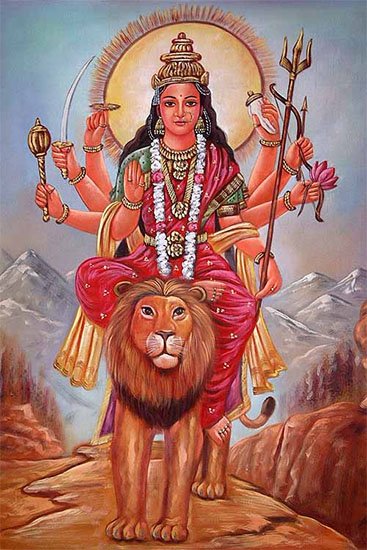
Shakta (शाक्त, śākta) or Shaktism (śāktism) represents a tradition of Hinduism where the Goddess (Devi) is revered and worshipped. Shakta literature includes a range of scriptures, including various Agamas and Tantras, although its roots may be traced back to the Vedas.
Languages of India and abroad
Sanskrit dictionary
Pīṭhacakra (पीठचक्र).—a carriage.
Derivable forms: pīṭhacakram (पीठचक्रम्).
Pīṭhacakra is a Sanskrit compound consisting of the terms pīṭha and cakra (चक्र).
Pīṭhacakra (पीठचक्र).—n.
(-kraṃ) A car or carriage.
Pīṭhacakra (पीठचक्र):—[=pīṭha-cakra] [from pīṭha] n. a chariot with a seat, [Āśvalāyana-gṛhya-sūtra]
Pīṭhacakra (पीठचक्र):—(pīṭha + cakra) ein Wagen mit Sitz [ĀŚV. GṚHY. 4, 2.]
Pīṭhacakra (पीठचक्र):—n. ein Wagen mit einem Sitz.
Sanskrit, also spelled संस्कृतम् (saṃskṛtam), is an ancient language of India commonly seen as the grandmother of the Indo-European language family (even English!). Closely allied with Prakrit and Pali, Sanskrit is more exhaustive in both grammar and terms and has the most extensive collection of literature in the world, greatly surpassing its sister-languages Greek and Latin.
See also (Relevant definitions)
Partial matches (+0): Pitha, Pita, Cakra.
Full-text (+0): Cakrapitha, Udyama.
Relevant text
Search found 3 books and stories containing Pithacakra, Pitha-cakra, Pīṭha-cakra, Pīṭhacakra; (plurals include: Pithacakras, cakras, Pīṭhacakras). You can also click to the full overview containing English textual excerpts. Below are direct links for the most relevant articles:
Ornament of Reality: Language Ideology in a Tantric Śākta Text < [Volume 14, Issue 4 (2023)]
Cidgaganacandrika (study) (by S. Mahalakshmi)
Verse 78 [Pīṭhacakra in Savikalpaka and Nirvikalpaka Samādhi] < [Chapter 3 - Third Vimarśa]
Verse 77 [Sphurattā Śaktirūpa Mūlaprakṛti] < [Chapter 3 - Third Vimarśa]
The Nervous System in Yoga and Tantra (Study) (by Ashok Majumdar)
6. The concept of Cakra (psychic centres) < [Chapter 5 - Exposition of Thought science, Tantra and Mantra]