Parshvaccheda, Pārśvaccheda, Parshva-cheda: 2 definitions
Introduction:
Parshvaccheda means something in Hinduism, Sanskrit. If you want to know the exact meaning, history, etymology or English translation of this term then check out the descriptions on this page. Add your comment or reference to a book if you want to contribute to this summary article.
The Sanskrit term Pārśvaccheda can be transliterated into English as Parsvaccheda or Parshvaccheda, using the IAST transliteration scheme (?).
Alternative spellings of this word include Parshvachchheda.
In Hinduism
Natyashastra (theatrics and dramaturgy)
Pārśvaccheda (पार्श्वच्छेद).—One of the 32 aṅgahāras (major dance movement) mentioned in the Nāṭyaśāstra chapter 4. The instructions for this pārśvaccheda-aṅgahāra is as follows, “holding Nikuṭṭita hands on the chest assuming Ūrdhvajānu, Ākṣipta, Svastika Karaṇas, Trika to be turned round, then Uromaṇḍala, Nitamba, Karihasta and Kaṭicchinna Karaṇas to be assumed.”.
An aṅgahāra represents a ‘major dance movement’ and consists of a sequence of karaṇas (minor dance movements). A karaṇa combines sthāna (standing position), cārī (foot and leg movement) and nṛttahasta (hands in dancing position).
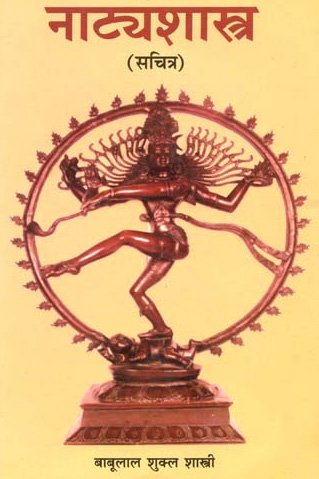
Natyashastra (नाट्यशास्त्र, nāṭyaśāstra) refers to both the ancient Indian tradition (shastra) of performing arts, (natya—theatrics, drama, dance, music), as well as the name of a Sanskrit work dealing with these subjects. It also teaches the rules for composing Dramatic plays (nataka), construction and performance of Theater, and Poetic works (kavya).
Languages of India and abroad
Kannada-English dictionary
Pārśvachēda (ಪಾರ್ಶ್ವಛೇದ):—[noun] (dance.) one of the thirthy two artistic combination of movements of hands and feet.
Kannada is a Dravidian language (as opposed to the Indo-European language family) mainly spoken in the southwestern region of India.
See also (Relevant definitions)
Relevant text
Search found 3 books and stories containing Parshvaccheda, Pārśvaccheda, Parshva-cheda, Pārśva-cheda, Pārśva-ccheda, Parshva-ccheda, Pārśvacheda, Parsva-cheda, Parshvacheda, Parsvacheda, Parsvaccheda, Parsva-ccheda, Pārśvachēda, Pārśva-chēda; (plurals include: Parshvacchedas, Pārśvacchedas, chedas, cchedas, Pārśvachedas, Parshvachedas, Parsvachedas, Parsvacchedas, Pārśvachēdas, chēdas). You can also click to the full overview containing English textual excerpts. Below are direct links for the most relevant articles:
Natyashastra (English) (by Bharata-muni)
Kohala in the Sanskrit textual tradition (Study) (by Padma Sugavanam)
Kohala and Gītā (14): Tālas for specific Gaits < [Chapter 2 - Kohala as seen in citations]
History of Science in South Asia
Bhāskara I on the Construction of the Armillary Sphere < [Vol. 3 (2015)]