Pannapetva, Paññāpetvā: 1 definition
Introduction:
Pannapetva means something in Buddhism, Pali. If you want to know the exact meaning, history, etymology or English translation of this term then check out the descriptions on this page. Add your comment or reference to a book if you want to contribute to this summary article.
Languages of India and abroad
Pali-English dictionary
Source: BuddhaSasana: Concise Pali-English Dictionarypaññāpetvā : (abs. of paññāpeti) having regulated or made a rule; having made known; having declared; having prepared (a set, etc.).
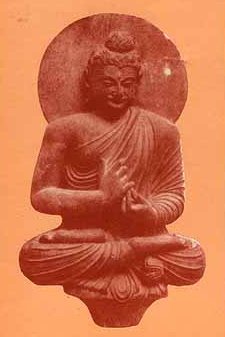
Pali is the language of the Tipiṭaka, which is the sacred canon of Theravāda Buddhism and contains much of the Buddha’s speech. Closeley related to Sanskrit, both languages are used interchangeably between religions.
See also (Relevant definitions)
Relevant text
Search found 3 books and stories containing Pannapetva, Paññāpetvā; (plurals include: Pannapetvas, Paññāpetvās). You can also click to the full overview containing English textual excerpts. Below are direct links for the most relevant articles:
Maha Prajnaparamita Sastra (by Gelongma Karma Migme Chödrön)
Appendix 1 - The seven minds of awakening (saṃbodhyaṅga) < [Chapter VIII - The Bodhisattvas]
II. Detailed commentary on the list < [Part 1 - Mahāyānist list of the eighteen special attributes of the Buddha]
Apadana commentary (Atthakatha) (by U Lu Pe Win)
Commentary on the Biography of the thera Sopāka < [Chapter 2 - Sīhāsaniyavagga (lion-throne section)]
Commentary on the biography of the thera Mahāmoggallāna < [Chapter 1 - Buddhavagga (Buddha section)]
Bhesajjakkhandhaka (Chapter on Medicine) (by Hin-tak Sik)
Internal Medicine (b): Wind Diseases < [Chapter 5 - Diseases and Treatments in the Chapter on Medicine]