Pahana, Pahāna: 8 definitions
Introduction:
Pahana means something in Buddhism, Pali, Jainism, Prakrit, Hindi. If you want to know the exact meaning, history, etymology or English translation of this term then check out the descriptions on this page. Add your comment or reference to a book if you want to contribute to this summary article.
Images (photo gallery)


In Buddhism
Theravada (major branch of Buddhism)
overcoming, or liberation from, evil things through their d.; samuccheda-pahāna or samuccheda-vimutti; s. Pahāna (“destruction”).
'overcoming by the opposite,' s. Pahāna (“opposite”).
'overcoming', abandoning. There are 5 kinds of overcoming: (1) overcoming by repression (vikkhambhana-pahāna), i.e. the temporary suspension of the 5 hindrances (nīvarana, q.v.) during the absorptions, (2) overcoming by the opposite (tadanga-pahāna), (3) overcoming by destruction (samuccheda-pahāna), (4) overcoming by tranquillization (patipassaddhi-pahāna), (5) overcoming by escape (nissarana-pahāna).
(1) "Among these, 'overcoming by repression' is the pushing back of adverse things, such as the 5 mental hindrances (nīvarana q.v), etc., through this or that mental concentration (samādhi, q.v.), just as a pot thrown into moss-clad water pushes the moss aside....
(2) " 'Overcoming by the opposite' is the overcoming by opposing this or that thing that is to be overcome, by this or that factor of knowledge belonging to insight (vipassanā q.v.), just as a lighted lamp dispels the darkness of the night. In this way, the personality-belief (sakkāyaditthi, s. ditthi) is overcome by determining the mental and corporeal phenomena ... the view of uncausedness of existence by investigation into the conditions... the idea of eternity by contemplation of impermanency ... the idea of happiness by contemplation of misery....
(3) "If through the knowledge of the noble path (s. ariyapuggala) the fetters and other evil things cannot continue any longer, just like a tree destroyed by lightning, then such an overcoming is called 'overcoming by destruction' " (Vis.M. XXII, 110f.).
(4) When, after the disappearing of the fetters at the entrance into the paths, the fetters, from the moment of fruition (phala) onwards, are forever extinct and stilled, such overcoming is called the 'overcoming by tranquillization'.
(5) "The 'overcoming by escape' is identical with the extinction and Nibbāna" (Pts.M. I. 27). (App.).
Theravāda is a major branch of Buddhism having the the Pali canon (tipitaka) as their canonical literature, which includes the vinaya-pitaka (monastic rules), the sutta-pitaka (Buddhist sermons) and the abhidhamma-pitaka (philosophy and psychology).
Languages of India and abroad
Pali-English dictionary
pahāna : (nt.) removal; giving up; abandoning; avoidance.
Pahāna, (nt.) (fr. pa+hā, see pajahati) giving up, leaving, abandoning, rejection M. I, 60, III, 4, 72; S. I, 13, 132 (dukkha°); II, 170; III, 53; IV, 7 sq.; D. III, 225, 246; A. I, 82, 134; II, 26, 232 (kaṇhassa kammassa °āya).; III, 431; Sn. 374, 1106 (=vūpasama paṭinissagga etc. Nd2 429); Dh. 331; J. I, 79; Ps. I, 26; II, 98, 156; Pug. 16; Dhs. 165, 174, 339; Nett 15 sq. , 24, 192; Vism. 194 (nīvaraṇa-santāpa°); DhsA. 166, 345; VvA. 73. —°pariññā see pariññā; —°vinaya avoidance consisting in giving up (coupled with saṃvara-vinaya avoidance by protection, prophylaxis), based on the 5 qualities tadaṅga-pahāna, vikkhambhana°, samuccheda°, paṭippassaddhi°, nissaraṇa° DhsA. 351; SnA 8. (Page 448)
Pahāna (in Pali) can be associated with the following Chinese terms:
1) 斷 [duàn]: “eliminate (permanently)”.
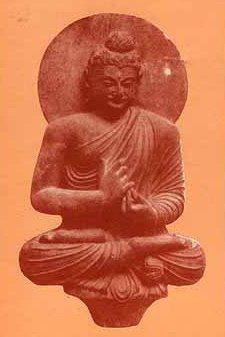
Pali is the language of the Tipiṭaka, which is the sacred canon of Theravāda Buddhism and contains much of the Buddha’s speech. Closeley related to Sanskrit, both languages are used interchangeably between religions.
Hindi dictionary
Pāhana (पाहन):—(nm) a stone.
...
Prakrit-English dictionary
1) Pahaṇa (पहण) in the Prakrit language is related to the Sanskrit word: Prahan.
2) Pahāṇa (पहाण) also relates to the Sanskrit word: Pradhāna.
3) Pahāṇa (पहाण) also relates to the Sanskrit word: Pāṣāṇa.
4) Pahāṇa (पहाण) also relates to the Sanskrit word: Prahāṇa.
5) Pāhaṇa (पाहण) also relates to the Sanskrit word: Pāṣāṇa.
Prakrit is an ancient language closely associated with both Pali and Sanskrit. Jain literature is often composed in this language or sub-dialects, such as the Agamas and their commentaries which are written in Ardhamagadhi and Maharashtri Prakrit. The earliest extant texts can be dated to as early as the 4th century BCE although core portions might be older.
See also (Relevant definitions)
Starts with (+0): Pahana Parinna, Pahana Sutta, Pahanakharada, Pahanana, Pahanapata, Pahanapura, Pahanasanna, Pahanava, Pahanavil, Pahanaviya.
Full-text (+195): Domanassaggahana, Vikkhambhana Pahana, Nissarana Pahana, Nanatta, Pahanapura, Kamaggahana, Thamappattaggahana, Adinavappahana, Cyanappahana, Virodhappahana, Kosajjapahana, Patighappahana, Viratipahana, Anavasesappahana, Akusaladhammappahana, Akusalappahana, Cittavipallasappahana, Kasikammappahana, Kodhappahana, Kamagunappahana.
Relevant text
Search found 26 books and stories containing Pahana, Pahāna, Pāhana, Pahaṇa, Pahāṇa, Pāhaṇa, Pāhaṇā; (plurals include: Pahanas, Pahānas, Pāhanas, Pahaṇas, Pahāṇas, Pāhaṇas, Pāhaṇās). You can also click to the full overview containing English textual excerpts. Below are direct links for the most relevant articles:
Maha Buddhavamsa—The Great Chronicle of Buddhas (by Ven. Mingun Sayadaw)
Part 9 - Greatness of the Pāramīs < [Chapter 7 - The Attainment of Buddhahood]
Part 9 - The Buddha’s Sojourn at the Ambalaṭṭhikā Garden < [Chapter 40 - The Buddha Declared the Seven Factors of Non-Decline for Rulers]
Part 4 - Righteous (Dhammavādi) and Unrighteous (Adhammavādi) < [Chapter 28 - The Buddha’s Tenth Vassa at Pālileyyaka Forest]
The Buddhist Path to Enlightenment (study) (by Dr Kala Acharya)
3.1. The Meaning of Iddhipāda (psychic power) < [Chapter 2 - Five Groups of Factor]
2.9. Saccā-ñāṇa, Kicca-ñāṇa and Kata-ñāṇa with regard to Magga-saccā < [Chapter 3 - Seven Factors of Enlightenment and Noble Eightfold Path]
2.6. Right Effort (Sammā-vāyama or Samyag-vyāyāma) < [Chapter 3 - Seven Factors of Enlightenment and Noble Eightfold Path]
How to develop the Excellent Wisdom in Subhasutta (by Phramaha Anuchon Khammee (Sasanakitti))
Part 1 - Background and Important of Problem < [Chapter 1 - Introduction]
Part 2 - Samatha Bhāvanā (Serenity Meditation)—Introduction < [Chapter 3 - Divisions of the Excellent Wisdom in Theravada Buddhism]
A Survey of Paramattha Dhammas (by Sujin Boriharnwanaket)
Chapter 1 - The Factors Leading To Enlightenment < [Part 5 - The Development Of Insight]
Chapter 4 - The Three Kinds Of Full Understanding < [Part 5 - The Development Of Insight]
Chapter 2 - The Stages of Vipassanā < [Part 5 - The Development Of Insight]
Maha Prajnaparamita Sastra (by Gelongma Karma Migme Chödrön)
Preliminary note on the ten concepts (daśa-saṃjñā) < [Chapter XXXVII - The Ten Concepts]
I. Lists of auxiliaries (bodhipākṣika or bodhipakkhiya) < [Note on the Thirty-seven Auxiliaries to Enlightenment]
Vipassana Dipani (by Mahathera Ledi Sayadaw)