Nrisimhajayanti, Nrisimha-jayanti, Nṛsiṃhajayantī: 5 definitions
Introduction:
Nrisimhajayanti means something in Hinduism, Sanskrit, Marathi. If you want to know the exact meaning, history, etymology or English translation of this term then check out the descriptions on this page. Add your comment or reference to a book if you want to contribute to this summary article.
The Sanskrit term Nṛsiṃhajayantī can be transliterated into English as Nrsimhajayanti or Nrisimhajayanti, using the IAST transliteration scheme (?).
In Hinduism
Pancaratra (worship of Nārāyaṇa)
Nṛsiṃhajayantī (नृसिंहजयन्ती) is the name of ceremony listed under festivals (utsava) and observances (vratas), as discussed in chapter 8 of the Viṣṇutilakasaṃhitā: a Pāñcarātra text comprising 3500 Sanskrit verses covering the typically “agamic” subjects which are being narrated by Brahmā to a number of sages.—[Cf. chapter 8]: Brahmā speaks to the other sages and says he will now relate what the Lord told him about utsava-festivals. An utsava-occasion is always preceded by a flag-raising ceremony of dhvajārohaṇa. Then follows miscellaneous listing of a number of other utsavas and vratas: [e.g., nṛsiṃhajayantī (291-292)] [...]
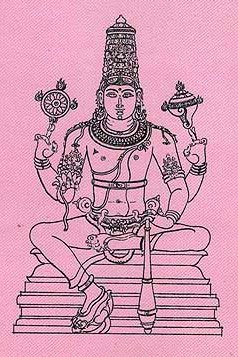
Pancaratra (पाञ्चरात्र, pāñcarātra) represents a tradition of Hinduism where Narayana is revered and worshipped. Closeley related to Vaishnavism, the Pancaratra literature includes various Agamas and tantras incorporating many Vaishnava philosophies.
General definition (in Hinduism)
Nṛsiṃhajayantī (नृसिंहजयन्ती) refers to a religious observance (vrata) occurring in the month Vaiśākha (April-May).—Nṛsiṃha-jayantī (vrata) worship of Nṛsiṃha-śukla-caturdaśī.
Languages of India and abroad
Marathi-English dictionary
nṛsiṃhajayantī (नृसिंहजयंती).—and
Marathi is an Indo-European language having over 70 million native speakers people in (predominantly) Maharashtra India. Marathi, like many other Indo-Aryan languages, evolved from early forms of Prakrit, which itself is a subset of Sanskrit, one of the most ancient languages of the world.
Sanskrit dictionary
Nṛsiṃhajayantī (नृसिंहजयन्ती) as mentioned in Aufrecht’s Catalogus Catalogorum:—Rāmānuja school. Oudh. Viii, 28.
Nṛsiṃhajayantī (नृसिंहजयन्ती):—[=nṛsiṃha-jayantī] [from nṛ-siṃha > nṛ] f. Name of [work]
Sanskrit, also spelled संस्कृतम् (saṃskṛtam), is an ancient language of India commonly seen as the grandmother of the Indo-European language family (even English!). Closely allied with Prakrit and Pali, Sanskrit is more exhaustive in both grammar and terms and has the most extensive collection of literature in the world, greatly surpassing its sister-languages Greek and Latin.
See also (Relevant definitions)
Partial matches (+0): Nrisimha, Jayanti.
Starts with (+0): Nrisimhajayantikalpa.
Full-text (+0): Nrisimhajayantikalpa, Nrisimhacampu, Nrisimha.
Relevant text
Search found 5 books and stories containing Nrisimhajayanti, Nrisimha-jayanti, Nṛsiṃha-jayantī, Nrsimha-jayanti, Nṛsiṃhajayantī, Nrsimhajayanti; (plurals include: Nrisimhajayantis, jayantis, jayantīs, Nṛsiṃhajayantīs, Nrsimhajayantis). You can also click to the full overview containing English textual excerpts. Below are direct links for the most relevant articles:
Obituary < [April 1970]
A Descriptive Catalogue of the Sanskrit Manuscripts, Madras (by M. Seshagiri Sastri)
Narada Purana (English translation) (by G. V. Tagare)
Chapter 123 - Description of the Vratas to be observed on Caturdaśī days < [Part 4 - Pūrva-bhāga: Caturtha-pāda]
Narasimha Purana (study and introduction) (by Siddheswar Jena)
Part 2.9 - Vratas in honour of Narasimha < [Narasimha (man-lion)]
Preceptors of Advaita (by T. M. P. Mahadevan)